
Using Scent and Familiar Objects to Reduce Stress in Shelter Cats
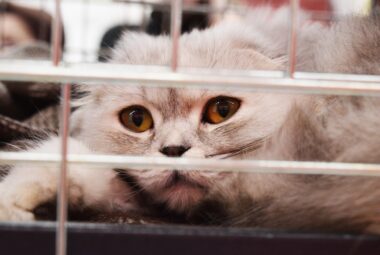
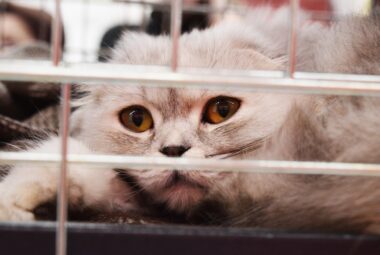
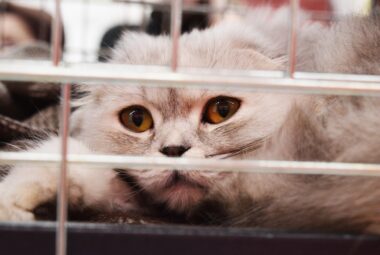
Stress in shelter cats is a significant concern for their well-being and adoption potential. Creating a calming environment can greatly alleviate stressors for these animals. One effective method involves utilizing scents and familiar objects that provide comfort. Cats have a highly developed sense of smell; thus, introducing soothing scents like lavender or chamomile can help minimize their anxiety. Additionally, familiar objects, such as toys or blankets from their previous home, can significantly aid in their emotional stability. This combination addresses their instinctual need for security and familiarity, creating a more welcoming atmosphere. Implementing these practices may not only improve individual cats’ mental health but also enhance the overall environment of shelter facilities. Furthermore, the implementation of scent and familiar items can lead to calmer interactions with potential adopters. This could result in quicker adoptions and reduced shelter time. As the mental health of these cats improves, staff members and volunteers can focus on finding suitable homes for them, ensuring a more promising future beyond the shelter walls. Engaging with such methods can transform a stressful experience into a supportive, nurturing transition for these resilient animals.
Your local shelter can benefit from understanding the use of scent and familiar objects during a cat’s stay. These simple additions can foster a sense of home and security. According to research, scents have a profound impact on a cat’s emotional state, with familiar scents being particularly significant. Creating scent profiles with a mixture of human and feline smells can help bridge the gap that can exist in a shelter. For example, the introduction of a cloth that smells like the cat’s previous owner may provide a calming presence. Moreover, it’s important to maintain the cleanliness of the shelter while introducing these scents to avoid overwhelming the cats. Alongside calming scents, having familiar toys can replicate moments of comfort associated with their past. Shelter workers can build a simple protocol for incorporating such items into the cats’ environment. This approach not only aids mental health, but it can also facilitate smoother interactions with potential adopters. With an informed approach, shelters can create thriving environments for the cats in their care, ultimately improving their chances of finding loving homes.
The Role of Familiarity in Cat Behavior
Familiar objects play an essential role in cat behavior and emotional responses. Cats are creatures of habit, and introducing familiar items can ease their transition into a shelter setting. When a cat is presented with objects that carry their scent or the scent of their previous environment, it can invoke feelings of safety and familiarity. This emotional connection can reduce stress levels significantly, improving their overall demeanor. For instance, a cat that has its favorite blanket or toy may feel less anxious, which encourages more natural behaviors, such as exploring its environment and interacting with staff. The adjustment period for shelter cats can vary widely, depending on their previous experiences. Therefore, supportive measures like using familiar items can significantly influence their resilience and adaptability. Additionally, volunteers and staff can assist by ensuring the cats have access to comforting scents throughout their stay. By integrating these strategies, shelters can foster an atmosphere of comfort that reflects an understanding of the essential needs of cats, ultimately aiding in their mental health and well-being while increasing adoptability rates.
Aside from comfort, it’s also important to recognize how the environment can exacerbate stress in shelter cats. Factors such as noise, overcrowding, and unfamiliar human interactions can create an overwhelming atmosphere. Therefore, a focus on minimizing these stressors in conjunction with scent and familiar objects can create a synergistic effect on well-being. Creating quieter areas within the shelter can help provide an oasis for anxious cats, where they can safely retreat when overwhelmed. Additionally, establishing a structured routine can further help cats adjust. Regular feeding and play times can provide predictability, ensuring their mental health remains a priority. Likewise, staff and volunteers should be educated on cat behavior to help identify signs of stress and anxiety. By observing individual needs, tailored approaches can be developed. Implementing these strategies in a cohesive manner fosters a holistic view of shelter cat care. Cultivating a supportive community around animal welfare and the importance of mental health in these environments enhances the overall quality of life for shelter cats. Hence, investing time and resources in these methods pays dividends in the long run.
Importance of Training Staff and Volunteers
Training staff and volunteers is critical for effectively implementing strategies to reduce stress in shelter cats. Educational programs can equip individuals with the knowledge necessary to understand feline behaviors and needs. This understanding is crucial in maximizing the positive effects of familiar objects and scents. Training can cover topics such as reading cat body language, recognizing signs of stress, and effectively using calming scents. Furthermore, staff can learn how to properly evaluate which cats would benefit from specific interventions. The more informed staff are, the better they can tailor approaches to meet each cat’s unique emotional needs. Regular workshops or seminars can be organized to keep volunteers updated about the latest in animal welfare and mental health research. These initiatives increase the overall quality of cat care within shelters and foster a compassionate approach to animal welfare. Additionally, creating a supportive culture among staff encourages proactive measures in promoting mental health strategies. Collaborative efforts among all shelter personnel enhance the communal goal of providing a nurturing environment. Thus, investing in staff training empowers the whole structure of care within shelter settings.
Community involvement is another essential facet of reducing stress in shelter cats. Engaging the public in promoting awareness of cat mental health can lead to increased adoptions and support. For example, local workshops can educate pet owners on the importance of scents and familiar objects for their own cats. By sharing knowledge, shelters can cultivate a deeper connection with the community. It’s not just about finding homes for cats; it’s about fostering a culture that understands and values their emotional well-being. Collaborating with local businesses or organizations can create outreach programs that encourage community participation in improving shelter conditions. Moreover, these programs can involve supplying items that promote positivity, such as toys, blankets, and calming scents. Volunteers can also be mobilized to assist with training community members who adopt from the shelter, ensuring they understand how to maintain a calm environment. This comprehensive approach builds a network of support for both the cats and their new families. Therefore, by combining community efforts with strategies centered on familiarity, shelters can truly enhance the journey of cats toward a loving home.
Conclusion
In conclusion, utilizing scent and familiar objects to reduce stress in shelter cats is a practical and compassionate approach. By recognizing the psychological needs of these animals, shelters can create environments conducive to emotional well-being and stability. The incorporation of familiar items alongside calming scents not only provides comfort but fosters tranquility amid the overwhelming shelter atmosphere. Increased training for staff and volunteers ensures tailored interventions can be employed while promoting understanding within the community. The long-term benefits of investing time and resources into mental health strategies are significant, leading to improved overall quality of life for shelter cats. Moreover, these efforts drastically affect adoption rates, allowing for matchmaking that considers the emotional bond between cats and potential owners. Ultimately, combining knowledge, familiarity, and community support creates a loving and healing environment where shelter cats can thrive. This holistic approach not only benefits individual animals but also paves the way for a brighter future in animal welfare. With continuous commitment, shelters can genuinely affect mental health in shelter cats, transforming lives one feline at a time.