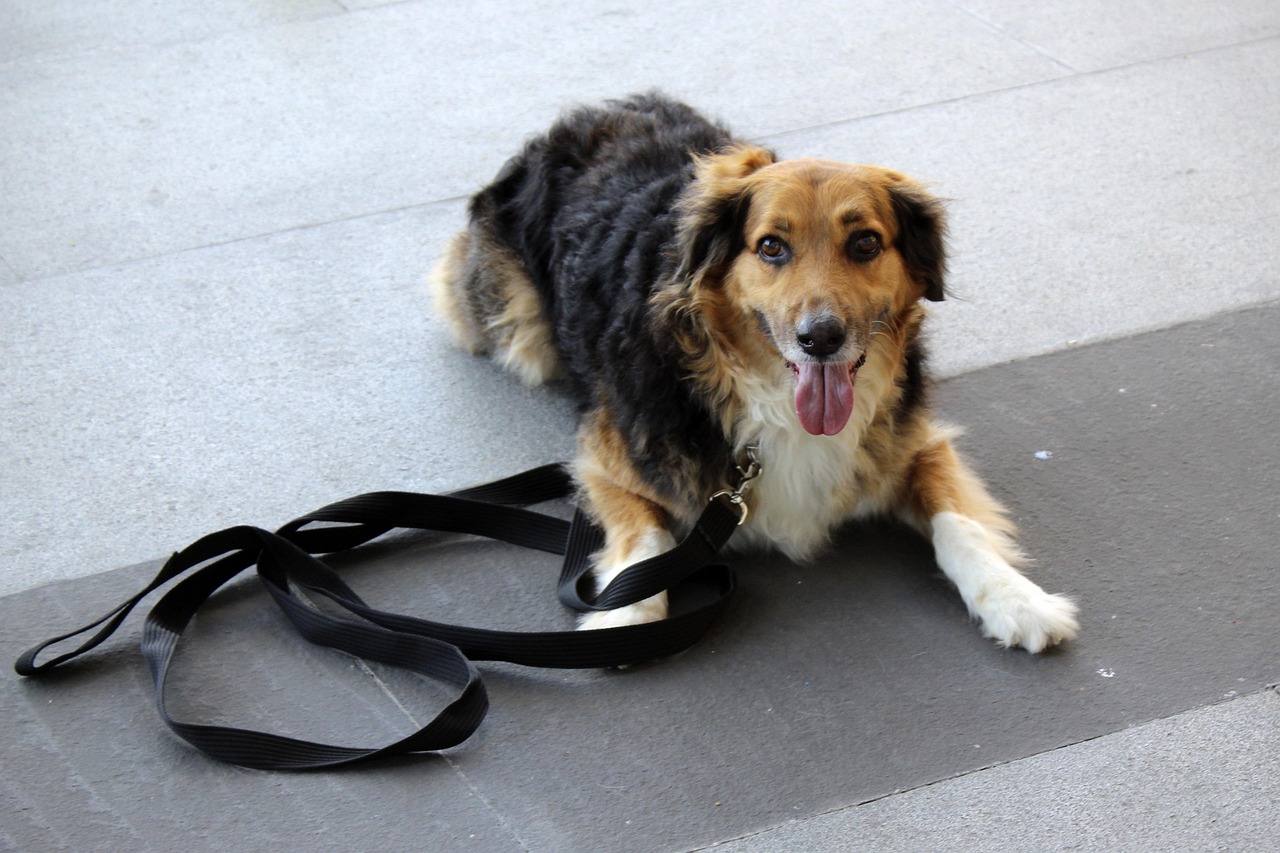

Using Treats and Toys to Enhance the “Leave It” Command Learning Process
Teaching your dog the “Leave It” command is an essential skill that can help keep them safe and well-behaved. To enhance the learning process, incorporating treats and toys can significantly boost your dog’s engagement and focus. First, make sure to select high-value treats that your dog truly loves. This will ensure that your dog remains motivated during the training sessions. Toys can also serve as a great alternative reward, particularly when your dog enjoys playing. Begin training in a distraction-free environment to help your dog concentrate better. Start by showing your dog the treat or toy and allowing them to sniff it, but without letting them take it. Once your dog is aware of the item, use the “Leave It” command. Be consistent in your tone and approach every time you train. After a moment without the dog attempting to grab the item, reward them with a treat or toy for not responding to the initial temptation. Repeat this process over several sessions until your dog demonstrates reliability in understanding the command.
Next, start increasing the difficulty level of the training sessions. Gradually add distractions by moving to a busier area, such as your backyard or a nearby park. This will help your dog learn to ignore temptation in real-life scenarios. Use treats or toys that are less appealing at first before moving on to those that the dog is substantially drawn to. As your dog becomes more consistent with the “Leave It” command, you can slowly decrease the frequency of rewards. However, be careful not to stop rewarding them entirely, as this could decrease their motivation. It’s essential to reinforce the command positively throughout the learning process. As an essential element, maintaining your dog’s interest through toy play can also help solidify the command. You can even use their favorite ball or tug toy to create a fun game that reinforces this command. Remember to keep the training sessions short, ideally around five to ten minutes, to prevent your dog from becoming bored or frustrated.
During training, it’s vital to maintain a cheerful and encouraging tone. Avoid shouting or scolding your dog, as this can create a fearful learning atmosphere. Instead, praise them enthusiastically when they successfully follow the “Leave It” command. This positive reinforcement will strengthen the bond between you and your furry friend while making them more eager to learn. Additionally, incorporating a clicker can significantly improve your training results, as it offers a unique sound that marks the exact moment your dog complies with your command. Pair the clicker sound with the delivery of treats or toys to condition them to respond positively over time. Encouragement doesn’t always have to come from rewards but can also be verbal praise. Keep your dog’s spirits high to create an enjoyable learning environment. Beyond that, practicing the command during daily walks is a fantastic opportunity to reinforce the command. Use distractions around you as learning moments. When your dog sees another dog or something tempting, remind them of the “Leave It” command, rewarding them when they abide by it.
Creating a Positive Learning Environment
A positive learning environment is crucial when teaching the “Leave It” command. This means ensuring that you’re in a comfortable space where both you and your dog can focus entirely on the training. If your dog seems stressed or unfocused, consider revisiting simpler commands first or engaging in some playtime. Bonding activities help create trust, making later training more effective. Your attitude during training is also significant. Remaining patient and calm will motivate your dog to succeed. If your dog struggles with the command, revisit previous steps instead of immediately moving on to harder tasks. Sometimes dogs may feel overwhelmed, and breaking down the steps can be beneficial. Achieving small victories with basic commands can foster their confidence, setting them up for success. Transitioning between sessions can be seamless by varying your approach. For instance, if treating isn’t working, switch to playtime with a toy to spark their interest. This keeps their attention sharp and makes training enjoyable.
Moreover, practicing the “Leave It” command in various environments encourages generalization of the command. Training should not be confined to just your home; ensure that your dog understands that the command applies universally. This could involve recognizing the command in parks, busy sidewalks, or even at the vet. Gradual exposure to different settings enables your dog to learn to apply the command regardless of surrounding distractions. In addition to practicing outdoors, varying the distractions present during training can enhance the learning process. For instance, using different types of toys or treats keeps your dog on their toes and challenges them. You can also have a friend help by introducing distractions while you continue to practice the command. Collaborating with others creates a sense of realism and prepares your dog for actual situations where they must resist temptation. Consistency is key in ensuring your dog becomes adept at this vital command. Repetition and patience will pay off in the long run.
Moreover, a key factor to consider is the timing of your rewards. The more immediate the reward after your dog correctly executes the “Leave It” command, the more powerful the reinforcement. Be quick to reward not just when your dog stays away but also when they choose to engage differently by redirecting their focus to you or another desired behavior. This can involve calling their name or using a different command. Through clear signals that you support healthy behavior, your dog will quickly learn that complying with the resistance results in beneficial rewards. Incorporating various practices into your routine, such as different commands combined with the “Leave It” command, helps solidify this newfound knowledge. During these sessions, diversification will keep your dog engaged, and boredom will be minimized. To prevent frustration, also be mindful of your dog’s attention span and tailor your training sessions accordingly. Shorter, focused sessions will allow for more effective learning than prolonged, overwhelmed sessions.
Final Thoughts on the Training Approach
In conclusion, using treats and toys to enhance the “Leave It” command learning process makes it not only beneficial but enjoyable for your dog. A fun approach to training leads to better retention of commands, mutual understanding, and a more harmonious relationship. Always remember to observe your dog’s reactions and adjust your techniques based on their progress. Each dog learns at their own pace, and understanding that is part of being a responsible pet owner. While focusing on the “Leave It” command ensures safety, it also provides the foundation for understanding other commands. Evaluate your dog’s comprehension and modify your strategies when necessary. Emphasize patience and positivity throughout your sessions, as this builds confidence and receptivity. Celebrate the small victories together, and remain flexible in your approach to heighten learning efficiency. This supportive environment will ensure that your dog not only understands the command but values the shared moments you create while training. Take time to enjoy the process; ultimately, both of you will learn and grow together vastly.
By mixing fun and learning, you are establishing an easy path that could carry into other areas of training. Implementing the “Leave It” command can lead to a well-rounded, obedient dog. It takes time, but your consistent effort with treats, toys, and positivity will flourish into successful learning. This gradual process helps reinforce the importance of commands. Once your dog has mastered the command and confidently adheres to it, you can begin exploring more advanced commands where the learned principles can equally apply. Down the road, your efforts will shine as both of you enjoy the steps you’ve taken together. Watching your dog excel will not only bring joy but strengthen your bond. The journey you embark on together, filled with patience and positive strategies, will pay dividends not only in the skill at hand but also in the mutual understanding you develop. As you progress through training, remember that the goal is not perfect obedience but rather a reliable understanding of commands that enrich further interactions and shared experiences in your lives together. Embrace this journey as part of your heartfelt connection with your dog.