
Certified Cat Groomers and Handling Difficult Cats: Best Practices
Becoming a certified cat groomer involves extensive training and understanding of feline behavior. Certified groomers learn essential grooming techniques, such as proper bathing, brushing, and nail trimming. Each technique is tailored specifically to meet the needs of various cat breeds, which differ significantly in coat types and temperaments. The aim is to ensure every cat receives the best care during the grooming process. A certified groomer’s role extends beyond grooming; they must also lead interactive sessions to teach cat owners the importance of regular grooming practices. Techniques like thorough inspections for skin issues or mats need teaching to empower cat owners. Furthermore, groomers often handle challenging or anxious cats, requiring patience and skill. They learn calming techniques like using soothing voices and slow, deliberate movements. It’s vital for groomers to maintain a positive atmosphere, making the cat feel safe. Keeping a stress-free environment is crucial for success in grooming therapy, as a relaxed cat is much easier to groom.
Proper training, including effective communication with both cats and their owners, is a core component of becoming a certified groomer. Groomers need to explain grooming methods, proper cat care, and any concerns they observe during appointments. The psychological aspect of handling pets can’t be underestimated; understanding feline psychology helps groomers enhance their approach, ensuring every cat feels respected. Observational skills also play a significant role; groomers must recognize differences in cat behavior quickly. For instance, some cats may respond positively to gentle scruff handling, while others may require a more careful approach using a quiet room setup. Continuous education in behavioral patterns and health conditions in cats is essential, as grooming services must offer solutions tailored to individual needs. Groomers should attend workshops and seminars, staying updated with current techniques and trends. Another essential aspect is developing a good relationship with clients. By showing that you care for their cats’ well-being, groomers cultivate trust, making the grooming experience better for both the cats and the owners, fostering loyalty and repeat visits.
Understanding Cat Grooming Needs
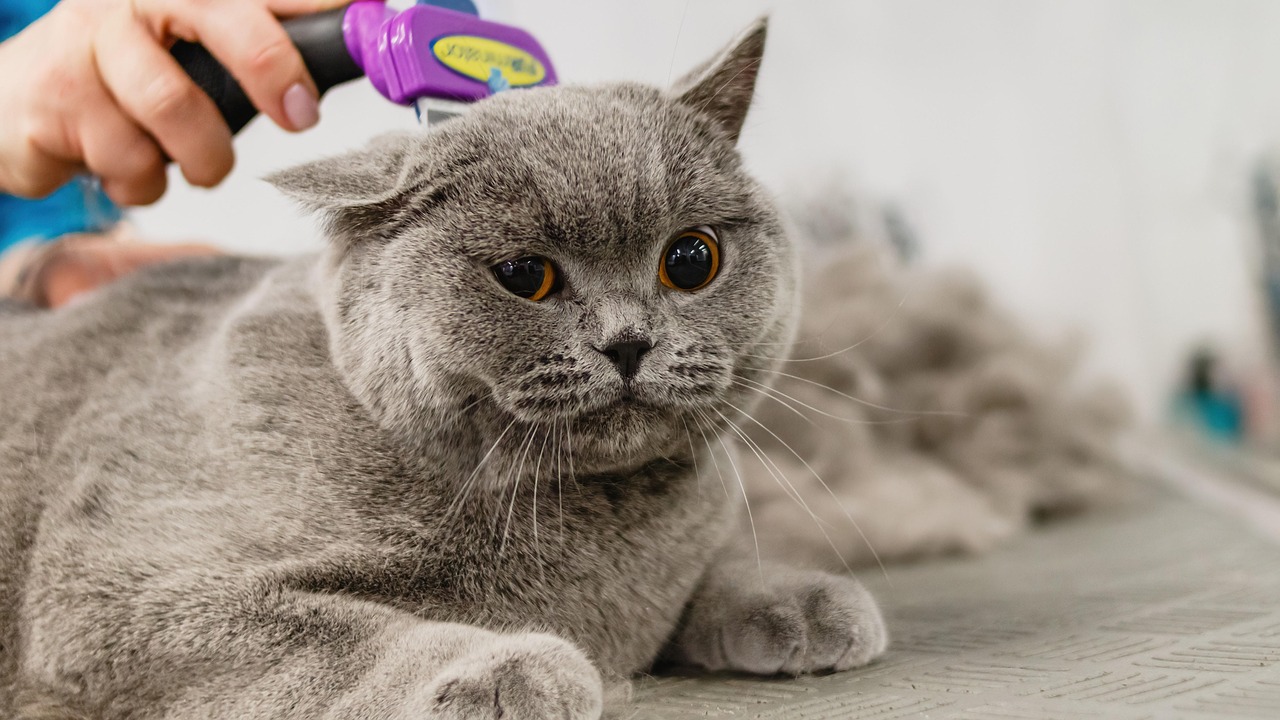
Understanding the unique grooming needs for each cat is crucial. Different breeds can have vastly different requirements depending on their coat type, size, and personality. Persians and Maine Coons, for example, require more frequent grooming due to their long hair. A meticulous approach to undercoats helps to prevent matting, which causes discomfort. Regular grooming removes dead hair and promotes healthy skin. Cats with shorter hair, like British Shorthairs, might need less intense grooming, but certification still emphasizes routine checks for dirt or parasites. Groomers must have an assortment of tools at their disposal, such as deshedding brushes, regular brushes, and nail clippers. Each tool serves a distinct purpose that contributes to maintaining excellent feline hygiene. Groomers should ensure to familiarize themselves with various tools to maximize efficiency. Another key aspect of grooming involves understanding the importance of ear cleaning and dental health. Addressing aspects like ear wax buildup and plaque helps improve overall cat health. Groomers aren’t just beautifying the cat; they are contributing to their overall health and well-being.
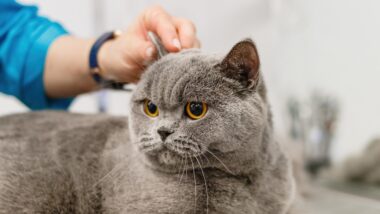
Further, recognizing when a cat might require specialized handling is essential for certified groomers. Some cats display signs of stress during grooming sessions. Groomers should watch for behavioral signs like hissing or scratching, indicating discomfort or anxiety in the cat. Knowledge of feline body language can greatly improve the handling experience. Groomers need to employ techniques to calm anxious cats, such as taking breaks, using cat pheromone sprays, or providing gentle distractions. Building a baseline routine with familiar tools can help as many cats feel safer with repeated exposure. Moreover, playing soothing music can create calming environments conducive to effective grooming. Each grooming session should be an opportunity to foster trust and comfort. Collaborating with pet owners helps too; providing guidelines and suggestions for home grooming can offer the cat familiar environments. Finally, ensuring that grooming ensures a positive experience forms the foundation of an ongoing relationship with cats and their owners. With sensitive handling and cat-friendly methods, certified groomers open the door to accessible and enjoyable grooming.
Client Education and Support
Education and client support form the backbone of successful grooming practices. A certified groomer must be adept at explaining grooming essentials and the significance of health check-ups to cat owners. Many cat owners lack awareness regarding regular grooming’s importance. Therefore, providing clear communication and educational workshops helps inform clients on what to expect from grooming sessions. Suggestions on handling cats at home, demonstrating handling techniques, and sharing information about preventing matting can boost their confidence. Groomers should encourage cat owners to engage with their cats positively, enhancing them for bonding moments. By establishing owner accountability alongside routine grooming, groomers ensure that overall health remains the focus. It focuses on repeat visits revolving around healthy coats and maintaining the fine balance needed for optimal grooming sessions. Investment in good quality grooming tools can significantly enhance the experience, highlighting the groomer’s intention to provide the most professional service. Whether discussing coat care or performance, certified groomers aspire to make a lasting impression, cementing their role as invaluable assets to pet care.
In addition to handling cats, certified groomers also need access to ongoing training opportunities. Training enables groomers to develop advanced skills to address various cleaning challenges and behavioral issues. Engaging in workshops helps groomers refine their skills, ensuring they stay abreast of the latest methods. Networking within the pet grooming communities provides valuable insights into overcoming common challenges that groomers face in their daily practices. Sharing experiences with others who have encountered similar situations creates a support system that can improve professional development. Moreover, being informed about the latest insights on animal behavior and handling offers groomers the ability to make educated decisions during grooming. Educating their clients on when to seek veterinary attention, like unusual skin conditions or dental ailments, enhances the groomer’s credibility. Lastly, groomers should consider certification renewals. Engaging with untapped pet grooming practices builds a repertoire that can satisfy even the most challenging pets. It underscores the need to retain a contemporary approach to grooming while incorporating formal and informal networks in their daily routines.
Conclusion: Commitment to Excellence
In conclusion, the commitment of certified cat groomers to excellence plays a crucial role in elevating grooming standards. Ensuring that each cat receives personalized care requires understanding the unique characteristics of each feline client. Adapting methods to suit individual needs showcases a professional’s dedication to service excellence. A positive grooming experience emphasizes the bond between pets and their owners, fostering loyalty and trust. Groomers should remain passionate about their craft, as passion reflects in their work attitude. The feline grooming industry continues evolving, with trends and techniques surfacing. By embracing these changes, groomers ensure they remain relevant, meeting pet owners’ rising expectations. By adopting a holistic approach, certified groomers can maintain a focus on both grooming and health needs, educating clients helpfully. Ultimately, the act of grooming extends beyond aesthetics; it nurtures the core values associated with supporting animal well-being. This commitment contributes to a brighter future for both groomers and the cats they serve. By focusing on a steady growth path, certified groomers ensure they leave a lasting positive impact on feline grooming.
The ongoing success of certified cat groomers is a testament to their artistry and commitment to excellence. Their ability to handle the most challenging of pets speaks volumes about their skills and professionalism. As they continue to refine their practices and educate themselves, the industry benefits as a whole. Effective cat grooming is a blend of good health, hygiene, and happy pets, resulting from dedicated groomers who invest themselves in their work.