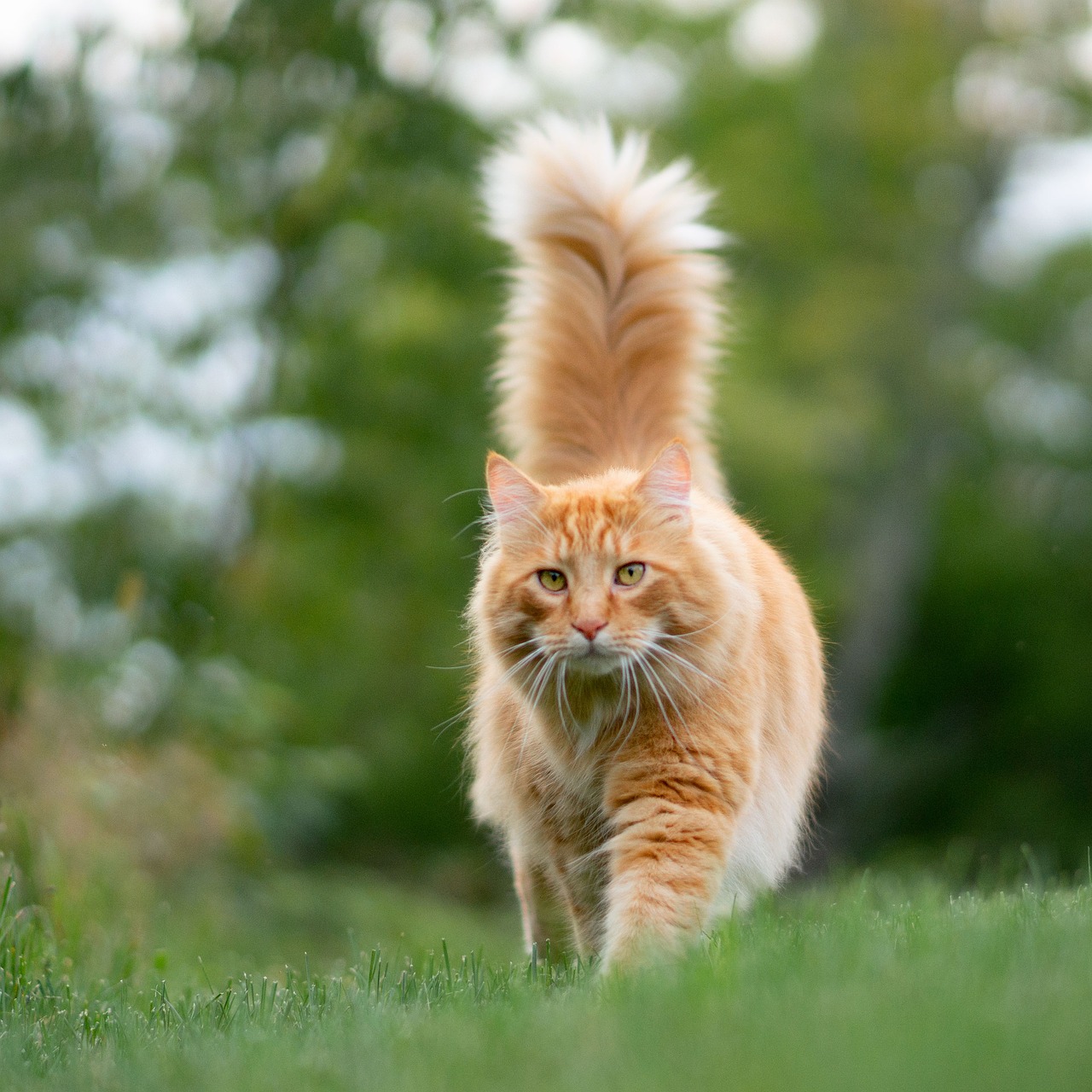

How Tail Flicking Can Indicate Your Cat’s Disinterest in Training
Understanding feline body language is crucial in effectively training your cat. Cats, unlike dogs, do not necessarily express their emotions verbally. Instead, they often rely on non-verbal cues to communicate their feelings. One of the most notable indicators of a cat’s emotional state is its tail. Tail movements can convey a range of emotions from excitement to annoyance. When it comes to training, observing your cat’s tail can help decode its level of interest. A flicking or twitching tail is generally an indication of agitation or disinterest. This means that your cat may not be receptive to training at that moment. It’s important to respect these signals and adjust your training methods accordingly. Ensuring your cat feels comfortable can lead to a more fruitful training experience. Training should be an enjoyable interaction between you and your feline companion, so pay close attention to any warning signs. Over time, you will learn how to interpret these signals accurately, improving your overall relationship with your cat and enhancing the training process.
When dealing with cat training, many owners may be perplexed by their furry friends’ sudden changes in behavior. One moment, your cat may seem engaged, and the next, it could be uninterested, as shown by a flicking tail. This shift can be attributed to various factors, including the cat’s mood, environment, or even its health. Tail flicking often signals that a cat is feeling threatened or uncomfortable, which can detract from its willingness to participate in training sessions. As a responsible cat owner, it’s vital to create a positive atmosphere for training. You can do this by offering treats and positive reinforcement when your feline shows even minor signs of engagement. This approach encourages your cat to participate actively rather than retreat or show disinterest. Implement patience and consistency, as some cats may take longer than others to pick up new skills. Remember to observe your cat’s body language continuously. Learning to read your cat’s specific signs will significantly enhance your ability to train successfully in an enjoyable environment.
The context in which training occurs can greatly influence how your cat behaves. For example, if you’re attempting to train your cat in a space where it feels anxious or threatened, it may display disinterest through its tail movements. Tail flicking can be a sign that your cat is overwhelmed or simply bored with the training. This makes it crucial for you to ensure that the training environment is calm and free from distractions. By eliminating potential stressors, like loud noises or unfamiliar animals, you can create a more conducive space for training. Additionally, moving the training session to a familiar location might help your cat focus better on the task at hand. Cats thrive in comforting environments where they feel secure; this applies directly to how engaged they will be during training. It’s important to note that offering breaks during training can also be beneficial. Allowing your cat time to unwind can prevent tail flicking and help maintain its interest in the training sessions.
Understanding the Importance of Positive Reinforcement
Positive reinforcement is a key aspect of training any animal, including cats. Utilizing treats, praise, or toys as rewards can significantly increase your cat’s willingness to participate. However, if your cat displays signs of disinterest, like a flicking tail, it may indicate that your rewards are not effective at that moment. Fine-tuning your reinforcement strategy is essential. For instance, your cat may prefer a certain type of treat over another, or it may respond better to verbal praise compared to toys. Pay attention to your cat’s reactions; if it seems disinterested despite your best efforts, it might be time to change tactics. Always remember that training should be a fun and rewarding experience for your cat. This means being willing to adapt and innovate as required. Keeping training sessions short and engaging will help maintain your cat’s interest. Regularly revisiting your approach ensures that your feline friend remains enthusiastic and eager to learn new behaviors. By making small changes to your training methods, you’ll likely notice an improvement in responsiveness.
Understanding your cat’s preferences goes beyond treats and toys. Engaging in play can also serve as a powerful motivation during training sessions. Many cats respond positively to interactive play sessions that mimic hunting behavior. When training, observe whether your cat responds better to physical activity or stationary tasks. If your cat shows a preference for play, integrating short play breaks in between training commands can improve engagement. This can prevent tail flicking and other signs of disinterest. It is essential to remember that each cat has its unique personality, and what works for one may not work for another. By experimenting with various approaches, you can pinpoint what best motivates your feline. Adapting your training to involve your cat’s interests not only enhances its focus but also strengthens your bond. Encouraging your cat with play not only makes training sessions enjoyable but can also foster an environment where your cat feels safe to learn without intimidation. Ultimately, observing and responding to your cat’s needs will lead to successful and positive training outcomes.
Cats are creatures of habit and can be quite sensitive to changes in their routines. A sudden alteration in your training method might leave your cat feeling disoriented or confused—which can also manifest through tail flicking. If you notice that the training sessions are not yielding results and are being met with disinterest, reevaluating your approach is essential. Consistency is critical in creating a successful training regimen. Establish a routine that incorporates the same commands, rewards, and environments to help your cat feel comfortable. Allow your cat to become familiar with each step in the training process. Consistency gives your cat a sense of understanding and makes it easier for it to know what is expected. Once your cat understands the workflow, it’s less likely to display signs of disinterest such as a flicking tail. This structure minimizes confusion and reinforces desirable behaviors. As your training progresses, remember to keep sessions lively yet predictable. Maintaining an element of surprise now and again might rekindle interest and enthusiasm within your cat during training.
The Final Takeaway on Tail Flicking and Training
Understanding tail flicking in cats is one of the first steps toward effective feline training. It’s vital to remember that a cat’s body language is its primary means of communication. Therefore, acknowledging the signs that indicate disinterest, such as a flicking tail, can significantly enhance training outcomes. Instead of viewing tail flicking as a negative sign, consider it an opportunity to reassess the training methods in use. By concentrating on creating a positive atmosphere centered around reinforcing desired behaviors and minimizing stressors, you create an environment conducive to success. Observing your cat’s reactions, making necessary adjustments, and utilizing positive reinforcement can all lead to a rewarding training experience. Training should foster a loving relationship between you and your cat, where both learns and grows together. By being attentive to your cat’s unique body language and preferences, you can motivate and improve its responses over time. Each successful interaction builds a stronger bond and encourages more meaningful training sessions in the future.
In conclusion, patience and understanding are vital in navigating the uncharted territory of cat training. Knowing that a flicking tail indicates disinterest provides you with a valuable tool for recognizing your cat’s emotional state. When faced with these signs, remember that it’s okay to shift gears. Tail flicking can serve as a clear warning that now is not the right time for training. By respecting this, you show your cat that its feelings matter and your bond will strengthen. Incorporating elements of fun, comfort, and exploration into training activities holistically supports feline learning. Make each training session an adventure filled with rewards, thereby making the learning enriching for both you and your cat. With consistent observation and a willingness to adapt, you can unlock an entirely new world of training possibilities. You can individually cater your training methods to suit your cat, ensuring that it becomes a joyful experience instead of a chore. All these elements will play a crucial role in cultivating a well-trained, happy, and confident cat.