
How to Manage Overheating and Grooming Emergencies in Cats
Cats are beloved companions, but they can face emergencies that require immediate grooming assistance. Recognizing the signs of overheating is crucial for all cat owners. When the temperature rises, cats can suffer from heat stress or heat exhaustion. Signs to watch for include excessive panting, drooling, vomiting, or lethargy. If your cat exhibits any of these symptoms, it’s essential to act swiftly to reduce their body temperature. Providing a cool environment with access to fresh water is vital. You can also gently wet their paws or use a fan to help them cool down. Ensuring their safety is the number one priority. Regular grooming can also prevent matting, which can trap heat and contribute to overheating. As a preventive measure, develop a grooming schedule tailored to your cat’s needs. Frequent check-ups can enhance your cat’s comfort levels while averting unexpected emergencies during grooming sessions. Even with the best planning and care, situations can still arise that cause you concern. In such cases, prompt actions can make all the difference for your furry friend.
Preventing Overheating Through Proper Grooming
In addition to monitoring your cat for signs of overheating, grooming plays a key role in their health and well-being. Regular grooming sessions can help maintain a cat’s coat and distribute natural oils, keeping their hair clean and reducing the risk of heat stress. If your cat is long-haired, you need to brush them frequently, as their coats can become matted. Matted fur can block airflow and trap heat, exacerbating overheating issues. Giving your cat a bath occasionally with specialized cat shampoo can also promote a healthy coat, but ensure the environment is comfortable, and they’re not subjected to extreme temperatures post-bath. Make sure you have the right tools on hand – brushes, combs, and even cooling mats can be beneficial during warmer months. Use safety scissors for any matting but take care to avoid injuring your pet. Look for signs of discomfort: crying, twitching, or moving away can indicate that your cat is stressed. Following these grooming tips will not only assist in managing emergencies but also strengthen the bond between you and your feline friend.
Emergency Grooming Care: What to Know
In an emergency grooming situation, respond calmly and quickly for the well-being of your cat. The first step is to assess the situation carefully. If your cat is stuck in a precarious position, you need to first ensure their safety before attempting any grooming. Removing tangles or mats can be stressful for your feline, so having treats on hand can be a great way to reassure your pet during emergencies. Use short, gentle strokes to comb out tangles to minimize discomfort. Additionally, employ a pair of safety scissors for rampant tangles, rather than pulling them out, which can cause more pain and stress. If your cat has suffered skin abrasions or cuts, clean the area with a mild antiseptic solution once you’ve addressed any mats. Always prioritize your cat’s comfort; if grooming seems too traumatic for them, it’s best to seek assistance from a professional groomer. They understand how to handle cats that may not enjoy being groomed. Knowing when to enlist help can prevent further issues and keep your beloved pet calm.
Signs of Distress During Grooming
Each cat has unique grooming needs and preferences. When grooming at home, always be attentive to your pet’s body language to assess their comfort level. Signs of distress can include flattening ears, dilated pupils, hissing, swatting, or trying to escape. If you notice any of these signs, it’s crucial to stop immediately and give them space to calm down. Create a comfortable environment during grooming sessions for your cat, introducing the tools slowly and allowing them to explore. Perhaps let them sniff the brushes before using them. Frequent breaks can also be helpful to reduce anxiety. If your cat is too distressed, consider a relaxing environment with quiet music and soft lighting. Keep your movements slow and gentle to avoid startling them. Take the time to let your cat adjust to these new routines continuously. Remember, every cat is an individual, and some may take a little longer to adjust to grooming. Your persistence and patience will foster trust in your grooming sessions, effectively preventing emergencies in the long run.
Emergency Products to Have on Hand
Being prepared for a grooming emergency involves having essential products readily available. Ensure you have specific grooming tools, including brushes, combs, and pet clippers. Stock up on pet-safe antiseptic solutions and antiseptic ointments to treat minor wounds. It’s also beneficial to have a cooling mat to help during hot weather. These mats can significantly reduce the body temperature of your cat if they get overheated. Additionally, consider investing in a pet first aid kit that includes bandages, scissors, and medications recommended by your vet. Hypoallergenic wipes can help freshen up your cat’s coat without the need for a full bath. Always check expiration dates on any creams or medications you keep in this kit. Furthermore, familiarity with your vet’s emergency contact information is critical. In the event of severe overheating or severe grooming-related injuries, prompt veterinary care may be necessary. Being proactive ensures you’re prepared for unexpected grooming emergencies. By having these products handy, you’ll feel more confident in managing any grooming situations that may arise.
Grooming for Different Breeds
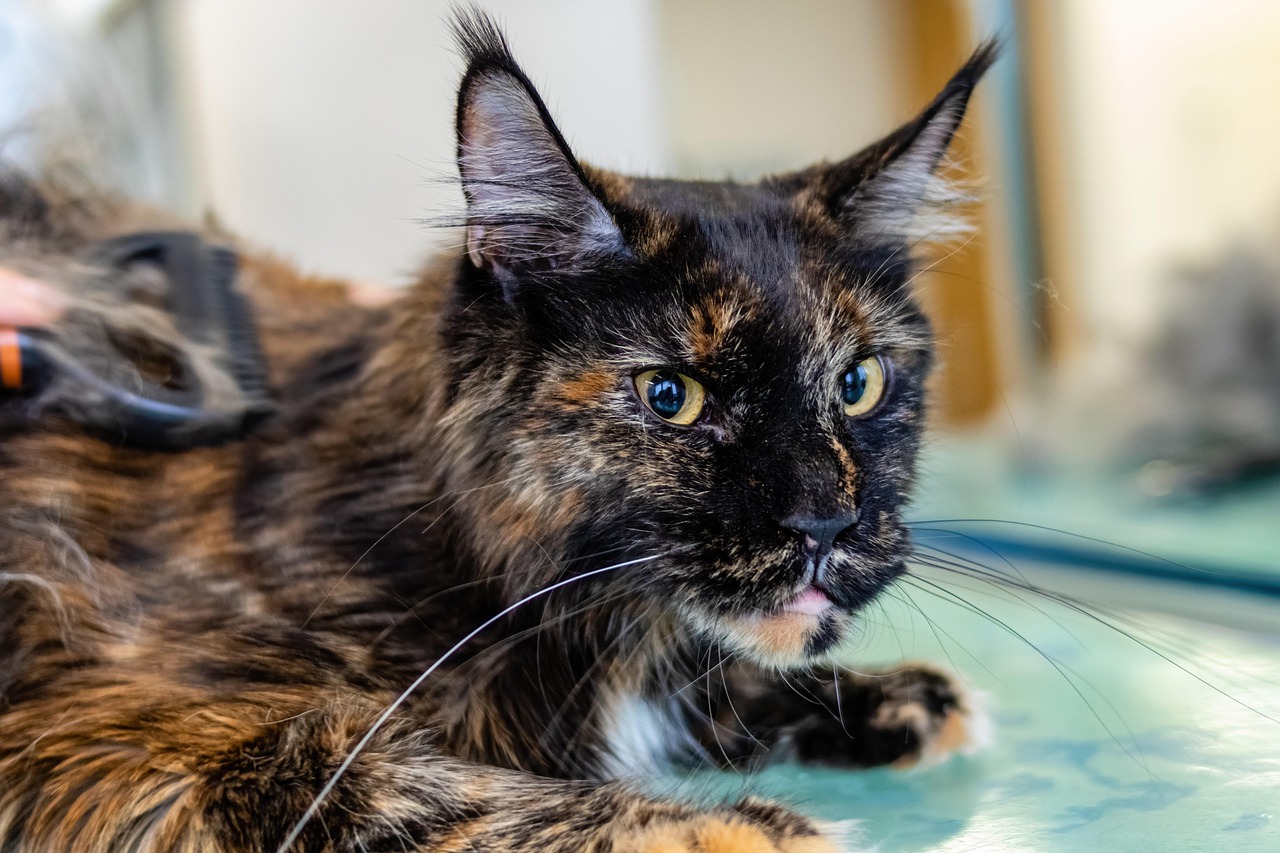
Understanding that grooming needs can vary significantly between breeds is essential. Long-haired breeds, such as Persians, require much more frequent grooming to prevent matting and overheating than short-haired breeds. Familiarize yourself with your cat’s specific grooming needs to effectively manage emergencies. For example, a Maine Coon may require daily brushing to keep their fur under control, while a Siamese may only need weekly sessions. Additionally, consider seasonal changes that may require you to adjust grooming frequency as well. During warmer weather, many cats shed their winter coats, leading to increased matting, making frequent grooming a must. Monitor your cat’s coat during shedding periods to ensure proper care. Always use the right tools made for your cat’s hair type – a slicker brush is excellent for detangling long hair, while a rubber curry comb works wonders on short hair. Learning about your cat’s breed-specific needs will not only help prevent grooming emergencies but will also keep them comfortable and happy year-round.
Frequently Asked Questions About Grooming Emergencies
When it comes to grooming emergencies, many cat owners have questions regarding care protocols. Understanding these will enhance your ability to manage such situations. One key question is – “How often should I groom my cat?” Each cat’s grooming frequency varies, based on its breed, age, and temperament. Long-haired cats generally need more frequent grooming than short-haired ones. Another common inquiry is, “What should I do if my cat is severely matted?” In these cases, you may need to carefully cut out the matting while prioritizing your cat’s comfort. Always keep safety in mind and avoid pulling on tangles. Additionally, if your cat exhibits signs of heat stress, assist them by providing cool water and a shady spot. Recognizing when to seek professional help can make a difference. And finally, many ask, “Can grooming help my cat’s overall health?” The answer is yes; regular grooming fosters a strong bond while promoting skin health and preventing matting issues indiscriminately. Address these FAQs to be better equipped to manage grooming emergencies.
Conclusion: Building a Routine
Ultimately, creating a structured grooming routine is an ideal approach to minimize emergencies. This should be tailored toward your cat’s breed and individual needs. As you establish a routine, incorporate check-ups to observe any changes in behavior or health. The bond you develop over time will yield significant trust, making grooming sessions smoother. Choose a specific time each week dedicated to grooming your feline friend, establishing it as a special time rather than a chore. This can include playtime with grooming accessories, making your cat comfortable with their tools. It’s important to keep tools clean and well-maintained to ensure an enjoyable experience. With proper planning and execution, behaving calmly during emergencies will become second nature. Remember that cats can sense their owner’s stress, which may amplify their own; thus, maintaining a tranquil atmosphere is key. In addition, continually educate yourself about cat grooming techniques, as staying informed will empower you to make sound decisions. With patience and understanding, your grooming sessions can turn into a fulfilling bonding experience rather than a stressful task.