
How to Manage Weight in Senior Cats Through Diet
Managing weight in senior cats is crucial for their overall health and well-being. Older cats often experience changes in metabolism and activity levels, which can lead to weight gain. Adjusting their diet is an essential step in effective weight management. It is important to consult with a veterinarian to create a tailored feeding plan. Focus on high-quality, nutrient-dense food options specifically formulated for senior cats. These diets typically have balanced proteins, fats, and carbohydrates suitable for older feline friends. Incorporating fiber into their diet can also promote satiety and help with digestion. Additionally, consider the calorie count in the food you choose; senior cat food should be lower in calories to accommodate less active lifestyles. Monitoring your cat’s weight regularly is vital for assessing their health. If you notice weight gain, it may be necessary to adjust their food portions or switch to a different diet. Keep in mind that lifestyle changes, like incorporating playtime, can aid in weight loss alongside dietary adjustments. Providing fresh water is equally important, as hydration supports overall health and helps maintain a healthy weight.
Another crucial aspect of managing weight in senior cats is understanding their specific nutritional needs. As cats age, their ability to digest certain nutrients diminishes. Hence, foods that are easily digestible are preferable. Look for a diet rich in high-quality protein, which helps preserve muscle mass, and limit unhealthy fillers such as corn or wheat that may contribute to obesity. Also, be wary of foods high in carbohydrates, as they can lead to weight gain. Making small, gradual changes to their diet will help them adjust better, so consider mixing old food with the new to prevent gastrointestinal upset. Keep in mind that every cat is unique; what works for one might not work for another. Monitor your senior cat’s reaction to food changes, including their energy levels and body condition. Regular appointments with your veterinarian can ensure that your cat’s dietary needs are being met as they age. Additionally, consider a specialized diet if your senior cat has specific medical conditions, such as kidney disease or diabetes, further impacting their dietary needs.
Portion control plays a significant role in managing weight in senior cats. Feeding the right physical amount of food is essential. Measure their daily food intake using a scale to ensure proper portions. Most manufacturers provide recommended feeding guidelines based on your cat’s weight, age, and activity level. However, these are just guidelines. Adjust portions as needed based on your cat’s specific requirements. Consider dividing their total daily food amount into smaller, more frequent meals throughout the day. This method can help keep their metabolism active and prevent feelings of hunger. Moreover, using puzzle feeders or slow feeders can be beneficial as they encourage your cat to eat slowly and engage their minds. This not only slows down their eating but helps with weight management as well. Limit treats and prefer healthier options, ensuring they remain a small fraction of their daily caloric intake. Training your senior cat to be more active can also be beneficial; simple engaging activities can make all the difference in managing their weight effectively.
Choosing the Right Type of Cat Food
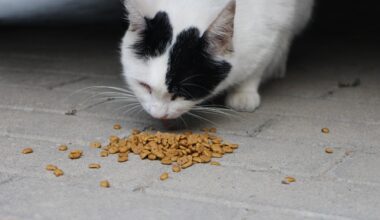
The type of cat food you select is particularly important for managing weight in senior cats. Look for foods that specify senior formulation on the packaging, as these are developed to meet older cats’ needs. High-quality protein sources, such as chicken or fish, should be among the first ingredients listed. Moreover, many senior cat foods are tailored to help maintain a healthy weight and support overall health through added vitamins and minerals. When choosing between wet and dry food, consider that wet food typically has fewer calories per serving and more moisture, which can aid in hydration and is often easier to digest. However, dry foods offer convenience and can help with dental health. Mixing both types can ensure your senior cat enjoys the benefits of both. Always transition between foods gradually to minimize digestive upset. Understand your cat’s preferences as well; this can significantly impact their willingness to eat healthy foods.
Hydration is an often overlooked yet vital aspect of your senior cat’s diet. Proper hydration influences metabolism and can help in weight management. Cats are notorious for not drinking enough water, so incorporating moisture-rich foods can be beneficial. Adding water or broth to dry food can enhance palatability and encourage your cat to consume more fluids. Additionally, consider investing in a pet water fountain, as many felines prefer running water, which can entice them to drink more. Always ensure fresh water is available in multiple locations around your home, making it easily accessible. Maintaining hydration also supports kidney function and overall health, particularly in senior cats, who may be more susceptible to dehydration. If your cat shows signs of dehydration, such as lethargy or dry gums, consult a veterinarian promptly. An educated approach to hydration can help with weight management and enhance your senior cat’s overall well-being.
Monitoring Weight & Adjusting Diet
Closely monitoring your senior cat’s weight is essential for successful management. Regular weigh-ins at home can help you track your cat’s progress, but veterinary consultations are crucial for accurate assessments. Take note of any significant weight changes over time—whether it’s gain or loss—as they can indicate health issues or dietary concerns. Consider using a pet scale to monitor weight consistently. If your cat begins to show steady weight gain, it may require dietary adjustments, such as reduced portions or a transition to lower-calorie food options. Conversely, if your cat is losing too much weight, it may require evaluation and a more calorie-dense diet. Changes in weight can also reflect underlying medical conditions, necessitating prompt vet attention. In case of weight fluctuations, detailed food logs outlining meals and treats can help in identifying patterns and making necessary adjustments. Remember that making gradual changes in diet is more effective for long-lasting results than sudden shifts, which can lead to various health issues.
In conclusion, managing weight in senior cats through diet requires a balanced approach that includes proper food selection, portion control, hydration, and regular monitoring. It is critical to consult with your veterinarian to create a personalized feeding plan. Remember that dietary changes may take time before noticeable results appear, and patience is essential. Engaging your cat in regular physical activity is as vital as dietary adjustments; interactive playtime can help maintain a healthy weight while providing mental stimulation. Senior cats can also benefit from routine check-ups to monitor their weight and overall health, allowing any issues to be addressed promptly. Remember that every senior cat is unique, so focus on providing individualized care tailored to their needs. Staying informed about best practices for your senior cat’s nutrition can help them lead a healthier and happier life. Ultimately, successful weight management through diet enhances your cherished feline’s quality of life, ensuring they happily thrive in their twilight years.
There are also other factors to consider beyond food choices and quantities. Understanding your senior cat’s lifestyle, including their activity levels, is essential for maintaining a healthy weight. Cats in multi-pet households may be more active, while indoor-only cats tend to exercise less. Observing your cat’s natural behaviors can help you find ways to increase activity, such as using laser pointers or interactive toys. Providing climbing structures such as cat trees can also encourage movement, leading to healthier lifestyles. Additionally, adjust your home environment to support an active lifestyle. A space where your cat can roam safely is critical in encouraging exploration and activity. Building positive associations with exercise can nurture a habit in your cat, contributing to weight management. Above all, fostering an enriching environment where your cat feels engaged and stimulated allows you to effectively manage their weight through a combination of diet and an active lifestyle. A holistic approach to weight management will lead to optimal health outcomes and an enhanced bond with your senior cat.