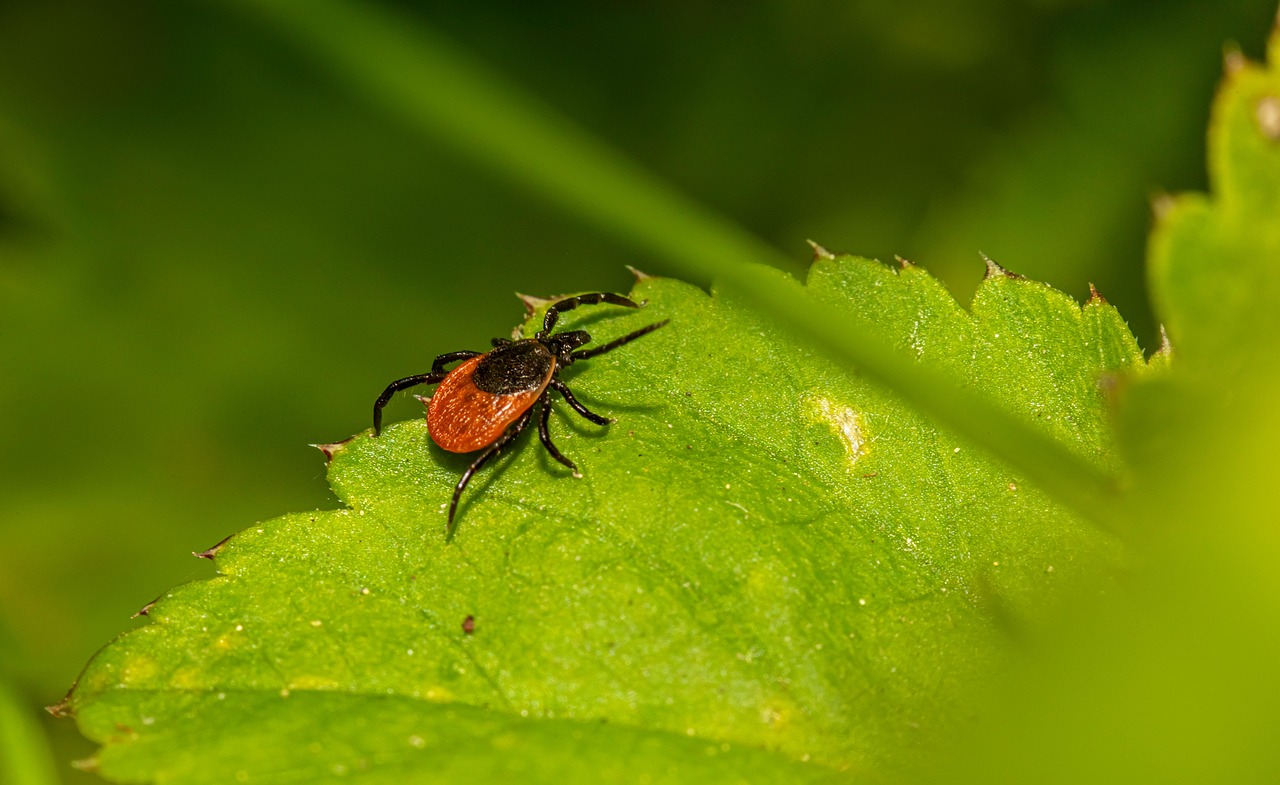

How to Safely Remove Ticks from Your Dog
Ticks can pose serious health risks to your dog, including Lyme disease and other infections. Consequently, learning the proper tick removal technique is essential for every dog owner. First, always ensure you are equipped with the right tools: a pair of fine-tipped tweezers, gloves, and antiseptic. When you find a tick embedded in your dog’s skin, avoid using your fingers to remove it directly. Instead, make sure you wear gloves for your protection. Grasp the tick as close to your dog’s skin as possible with the tweezers. Pull upward with steady, even pressure, avoiding twisting or jerking, as this may leave parts of the tick in your dog’s skin. Once fully removed, thoroughly clean the bite area with antiseptic to prevent infection. Monitor your dog for any signs of illness, such as lethargy or swelling, over the next few weeks. If symptoms arise, consult your veterinarian for guidance. By taking these steps, you ensure your dog remains healthy and tick-free. Regularly checking your dog for ticks after outings can drastically reduce the chances of tick-related diseases.
As part of tick removal, knowing when to seek help from a veterinarian is crucial. If you are unable to remove the tick, it is crucial to consult your veterinarian as soon as possible. Ticks can transmit diseases within just a few hours, making prompt action vital. Additionally, if you notice a red ring or a rash around the bite area, or if your dog develops any unusual behavior or symptoms, take it seriously and contact your vet immediately. Remember that while some ticks can be removed at home, others could be harder to dislodge or harder to identify. It is always better to err on the side of caution rather than risk potential complications. After the tick has been successfully removed, keep an eye on the site of removal for any signs of infection or irritation. Potential signs include excessive redness, swelling, or discharge. It’s a good practice to document any changes and relay this information to your veterinarian during follow-up consultations. With proper care and monitoring, you can help ensure your dog’s health remains intact.
Preventing Ticks in the Future
While knowing how to remove ticks from your dog is important, prevention is even more effective. There are various methods to help reduce the chances of ticks making their home on your pet. Regularly applying topical tick repellent or using tick collars can greatly decrease risks. Additionally, consider discussing oral tick prevention medications with your veterinarian. These products can create a protective barrier around your dog, making them less appealing to ticks. Regular grooming, particularly after walks in wooded or grassy areas, is crucial. During grooming, thoroughly check your dog’s fur for ticks and remove any you find immediately. Maintaining your yard can also deter ticks, focusing on keeping the grass short and removing any debris or unnecessary clutter. Furthermore, ticks are often present in moist, shaded areas; therefore, keeping your outdoor spaces well-lit and dry can make a difference. Educating yourself about tick life cycles can significantly enhance your prevention efforts. By adhering to these strategies, you can provide your furry companion with a healthier and safer environment.
There are common myths related to tick removal that can lead to harmful practices, so it’s crucial to understand them. Many people mistakenly believe that using heat to detach a tick will drive it out. This is not only ineffective but can also cause the tick to regurgitate harmful bacteria into your dog. Similarly, using products like petroleum jelly to smother the tick is advised against as it may only stress the tick and cause it to cling tighter. Another common misconception is that ticks can drop off on their own if left alone for several days; this is simply untrue as they require prompt removal to decrease illness risk. Trusting unverified home remedies can lead to mistakes that may harm your dog. Proper education about ticks, their behaviors, removal techniques, and the diseases they spread is imperative for all pet owners. Always refer to veterinary advice or reliable resources, ensuring that your practices are safe and effective. Understanding these truths can significantly improve your approach to your pet’s health and wellbeing.
Working with Your Veterinarian
Your veterinarian is an invaluable resource in helping you navigate the world of tick prevention and management. Scheduling regular check-ups allows your vet to assess your dog for any health issues potentially caused by ticks, even if you’re not aware of a tick encounter. They can also provide personalized advice tailored specifically to your dog’s needs, considering factors like health history and lifestyle. Additionally, your veterinarian can recommend specific products for tick prevention that suit your dog’s age and breed. Many options are available, such as topical solutions, collars, and oral medications. Furthermore, if your dog has a history of tick-borne diseases, your veterinarian might suggest a more aggressive prevention strategy. Keeping open communication ensures you’re informed about emerging tick threats related to the geographical area. Vaccines for certain tick-borne diseases are becoming increasingly available, so asking about these options during your visit is prudent. Regular veterinary assistance ensures a proactive approach to your pet’s overall health and safety concerning parasites.
In addition to ticks, dog owners should remain vigilant about other parasites that could harm their pets. Focusing on general parasite control can improve your dog’s overall health significantly. One common parasite to watch for is fleas, which can cause itchy discomfort and lead to serious skin problems if left unchecked. Another parasite, heartworms, poses a more significant concern, potentially leading to severe complications like heart disease. Implementing a comprehensive parasite control plan will help protect your pet from fleas, ticks, and other harmful critters. Regularly check your dog for any signs of infested areas or repetitive scratching, as these indicate a potential parasite problem. Consult with your veterinarian about preventive treatments that can be used year-round. Keeping your dog’s living environment clean assists in reducing parasite exposure. Adequate hygiene practices, such as washing bedding and vacuuming regularly, play a crucial role in parasite control. By remaining vigilant about all types of parasites and consulting your vet for effective strategies, you can help your dog maintain a healthy lifestyle free from the dangers of infestation.
Conclusion
In conclusion, keeping your dog safe from ticks requires knowledge, the right tools, and proactive measures. Understanding the correct removal process is vital, as timely action can prevent severe health complications. You should also focus on ongoing prevention through specialized products and regular checks, including grooming. By working closely with your veterinarian, you create a tailored plan that suits your dog’s unique needs, ensuring their lifestyle remains parasite-free. Additionally, remaining informed about other potential parasites additionally boosts your efforts in maintaining your dog’s health. Adopting diligent hygiene practices reduces the chances of infestation and encourages a happy living environment. Remember, the health and well-being of your pet are your responsibilities, so prioritize regular vet visits and corrective actions. Each tick removed promptly represents an opportunity for better health for your furry companion. By educating yourself and implementing effective strategies, you create a safer world for your dog. Taking these measures will significantly enhance their quality of life, keeping them active companions for years to come. Empower yourself with the knowledge to protect your beloved dog and contribute to their long-term health.
Tick prevention and management are essential practices that all dog owners must prioritize continually. Building healthy habits can significantly contribute to your dog’s well-being while providing peace of mind for you, the owner. The combination of proper grooming, regular veterinary care, and effective parasite control will help secure a healthy future for your pet. Adopt a vigilant mindset, always staying educated about potential outdoor risks. Don’t forget to include your family in these conversations, spreading awareness and knowledge about pet care. Grassroots efforts can result in a closed community of informed pet owners, enhancing overall animal welfare. Share your knowledge with friends and family members who own pets; together, you create a community that prioritizes animal health. Regular community events focused on responsible pet ownership can strengthen shared learning and utilization of best practices. Keep in mind, consistency is key – without regular action, efforts can quickly dissipate. Create a checklist that you can follow to ensure that you monitor your dog’s health and stay on top of possible exposures. By making proactive decisions, you can truly change your dog’s quality of life.