
Supplementing Vitamin D for Cats with Chronic Illness
Vitamin D is essential for various bodily functions in cats, particularly when battling chronic illness. It helps in calcium absorption, which is crucial for maintaining bone health. An adequate level of vitamin D can significantly bolster an ailing cat’s immune system. A cat suffering from diseases like kidney failure, feline leukemia, or hyperthyroidism may see improved health outcomes with proper vitamin D levels. When considering supplementation, consult a veterinarian to determine the right dosage tailored specifically for your cat’s unique health needs. Signs of deficiency include lethargy, poor coat condition, and a decreased appetite. It is vital to administer the vitamin in suitable forms and dosages; vitamin D can be toxic in excess. To ensure safety, blood work might be required to monitor the cat’s vitamin D levels. Always prioritize your cat’s health and comfort over anecdotal advice when deciding on supplements. Additionally, consider the impact of other nutrients consumed, as they can affect vitamin D metabolism. Educating oneself on proper supplementation can lead to a more informed and successful treatment plan for a beloved pet.
The Importance of Vitamin D for Immune Support
Vitamin D plays a critical role in maintaining a healthy immune system in cats. Particularly, it can enhance the body’s defense against infections and may provide added protection for those already ill. For chronic diseases, a well-functioning immune response is essential to manage symptoms and quality of life. Cats with compromised immunity due to chronic illness often benefit from additional support like vitamin D supplementation. Inclusion of this vitamin may help reduce inflammation and promote healing, making recovering from illnesses easier. As the immune system can directly impact chronic illness outcomes, careful monitoring must be undertaken. Adequate vitamin D levels can be stored in the liver and adipose tissue, ensuring there are reserves available when needed. This reservoir is especially relevant during times of increased physiological stress. It is necessary to understand that poor absorption issues, common in chronic diseases, may prevent useful amounts of vitamin D from being utilized. Consult with a veterinarian if nutrient absorption is a concern. Understanding how chronic illness affects nutrient utilization is also essential for altering diets and ensuring sufficient support through supplementation.
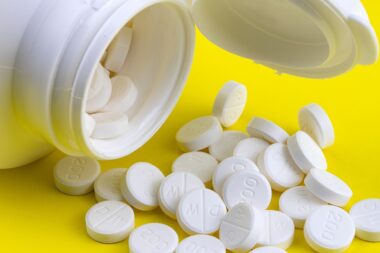
The choice of vitamin D supplement formulation is crucial for optimal effectiveness. There are generally two types of vitamin D: D2 (ergocalciferol) and D3 (cholecalciferol). Vitamin D3 is widely regarded as the more effective option for cats, particularly those that are ill. It raises vitamin D levels more significantly, improving overall health outcomes in comparison to D2. When selecting supplements, ensure they are specifically formulated for feline use to avoid harmful additives that may be present in human products. Liquid forms or soft gels can be easier to administer to reluctant cats compared to pills or powders. Also, the use of palatable flavors can assist pets who may be picky eaters. Monitoring your cat for any adverse reactions after beginning supplementation is essential. Signs of toxicity may include vomiting, diarrhea, excessive thirst, or lethargy. If any side effects appear, consult your veterinarian immediately for guidance on adjusting dosages. Feeding behaviors or food preferences can also inform choices about how best to provide supplements while ensuring your cat receives all the necessary nutrients without distress.
Dietary Considerations alongside Vitamin D Supplementation
A cat’s overall diet plays a vital role in determining how supplementation of vitamin D will work in conjunction with their existing nutrition. Cats require a balanced diet that includes proteins, fats, and other vitamins and minerals necessary for optimal functionality. Foods that are high in omega-3 fatty acids, for instance, can assist in reducing inflammation and improving calcium metabolism. Additionally, considering high-quality commercial cat food can ensure that the diet meets other essential nutrient requirements. Incorporating whole foods that naturally contain high vitamin D levels, such as fish or liver, may complement supplementation and provide a broader nutrient profile. Water intake is crucial and should be monitored to support digestion and nutrient absorption effectively. Keep in mind that homemade diets require careful planning and must be balanced correctly. Inadequate diets can lead to further health issues, exacerbating existing chronic conditions. Always consult a veterinarian or a pet nutritionist before changing your cat’s diet or incorporating new food items. They can provide vital insights to make the right dietary decisions alongside vitamin D supplementation.
Monitoring the effects of vitamin D supplementation in cats with chronic illnesses is essential to ensure its effectiveness. Follow-up veterinary check-ups and blood work should assess vitamin D levels and overall health condition regularly. This allows adjustments in supplementation dosage or frequency as required, ensuring your cat receives optimal benefits without risking toxicity. Observations of any behavioral changes or improvements in appetite and energy levels should be noted. These changes can indicate how well the supplementation is working and whether further intervention is needed. In some instances, alternative vitamin formulations or combinations with other supplements may be recommended to enhance results. Additionally, having comprehensive records of dietary intake and supplementation regimens is crucial for veterinarians making informed decisions. Engaging in open communication with your vet about any concerns during the supplementation process can significantly aid recovery. Overall, awareness of individual pet responses and addressing negative symptoms thought to arise from supplementation are vital elements in managing chronic illnesses, further emphasizing the need for personalized treatment paths meeting a cat’s unique health circumstances.
Potential Risks and When to Consult a Vet
While vitamin D is necessary for various functions in cats, inappropriate supplementation can lead to potential risks. Cats can suffer from vitamin D toxicity when dosages exceed safe levels, resulting from excessive supplements, leading to increased calcium levels and, ultimately, serious health concerns. Symptoms of toxicity may include weakness, excessive thirst, or abnormal heart rhythms, requiring immediate veterinary attention. Understanding these risks is vital in planning supplementation, and it cannot replace regular veterinary care or monitoring. Chronically ill cats may already have underlying health issues that complicate supplementation efforts. It is crucial to respect all recommendations provided by a veterinarian, especially when considering other medications or treatments. Dual therapies can sometimes interact poorly if not managed correctly. Reassessments may reveal crucial changes in health status affecting what types of supplementation are advisable. Consistent communication with your vet about your cat’s ongoing condition and reactions to treatment enables a more tailored care plan. As every cat is different, having a solid partnership with your veterinary team will promote your feline’s well-being and recovery as guided by their specific needs.
In conclusion, supplementing vitamin D for cats with chronic illness can play an important role in maintaining their overall health and supporting their recovery efforts. However, it is vital to approach supplementation with a well-informed plan, mindfulness of risks, and close veterinary collaboration. This proactive stance regarding a cat’s nutritional intake melds well with effective management of chronic diseases. By paving the way through tailored diets and appropriate supplements, one can help enhance a cat’s quality of life and longevity. Educating pet owners about the connection between diet and health outcomes can help ensure optimal care. Gaining insights about one’s cat’s unique needs will prove beneficial during the treatment process. Conclusively, the complexities of chronic illnesses necessitate informed decisions concerning dietary and supplementary changes. Investing time and resources into research, consultation, and ongoing assessment makes a significant difference in your pet’s health journey. Always ensure your decisions prioritize veterinary guidance while considering the health, comfort, and happiness of your beloved feline companion as you support their recovery alongside proper vitamin D supplementation.