
The Connection Between Allergies and Excessive Grooming in Cats
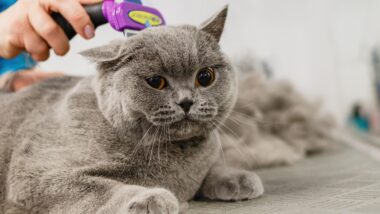
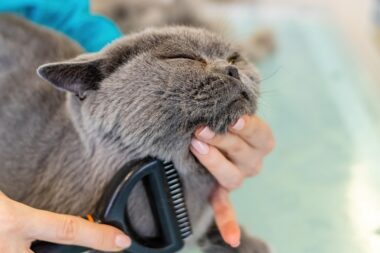
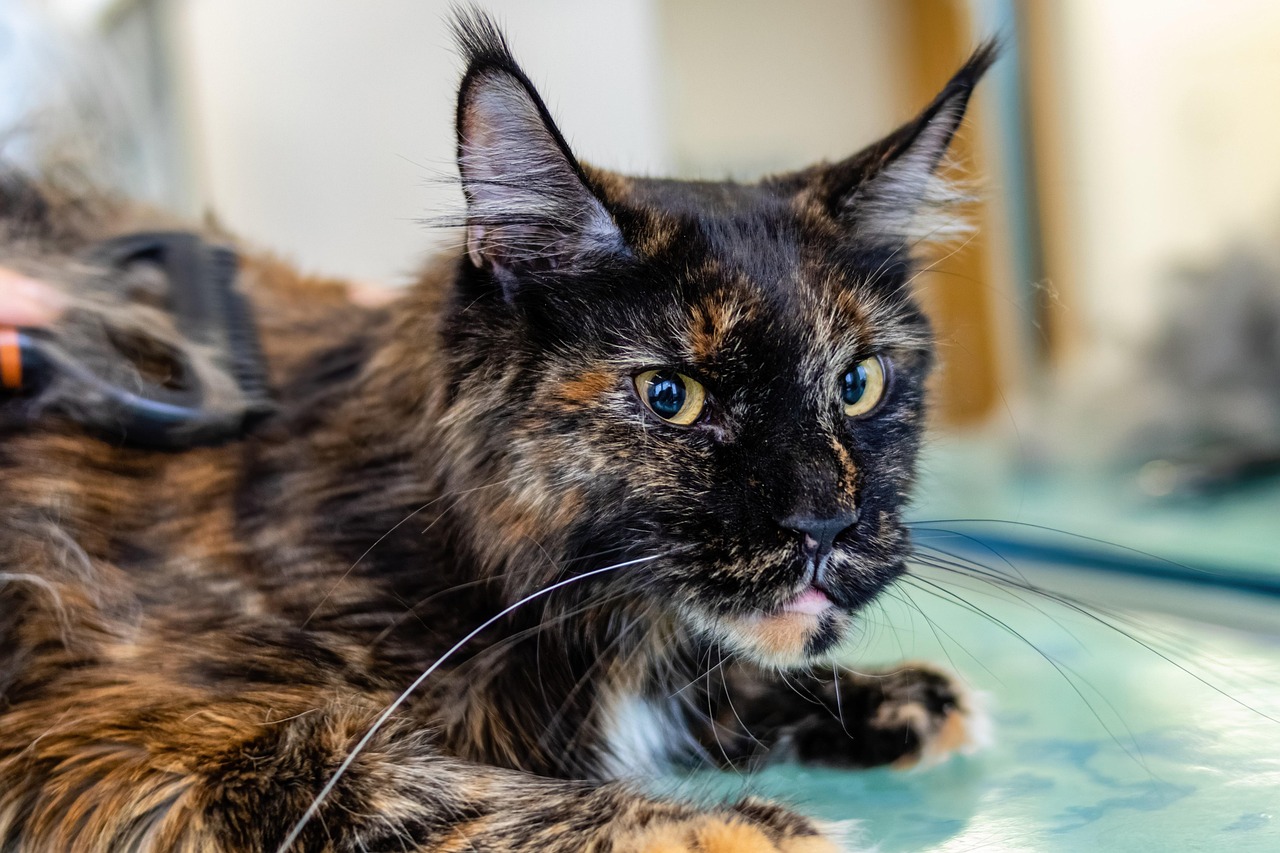
Excessive grooming in cats is a behavior that can indicate underlying health issues, including allergies. When a cat grooms itself more than usual, it may be responding to discomfort caused by allergens. Allergies can be attributed to several sources such as food, environmental factors, or flea bites. Cats groom themselves to alleviate itching or irritation caused by allergens, leading to a cycle of excessive grooming that can irritate the skin further. Owners may notice their cats spending much time cleaning specific areas of their bodies, leading to bald patches or skin lesions. Identifying the source of these allergies is essential in solving the grooming problem. Consulting a veterinarian can help determine whether the excessive grooming stems from an allergic reaction. Through a physical examination or allergy testing, the underlying cause can often be identified. Furthermore, once the allergens are isolated, an appropriate treatment plan can be implemented. This might include dietary changes, medications, or topical treatments to soothe the skin. Tackling allergies can lead to improvements not only in the cat’s behavior but also in its overall health and well-being.
Cats, like humans, can suffer from environmental allergies that affect their skin and overall behavior. Common environmental allergens include pollen, dust mites, mold, and certain chemicals found in household cleaning supplies. These allergens can trigger an immune response, making the cat uncomfortable and leading to excessive grooming. When a cat licks its fur excessively, it not only exacerbates skin irritations but also introduces harmful bacteria that can lead to infections. Therefore, it becomes crucial for cat owners to evaluate their cat’s living environment for potential irritants. Implementing measures such as using hypoallergenic products, regularly cleaning the home, and maintaining air quality can significantly benefit cats prone to environmental allergies. If a cat continues to lick or scratch after making these changes, owners should consult their veterinarian for further advice. Identifying and treating allergies can require patience and observation; however, it is crucial for the cat’s long-term health. By addressing environmental allergens, owners can provide relief and help maintain healthier skin. A more comfortable cat is a happier cat, leading to improved interactions between the pet and its owner.
The Role of Food Allergies
Food allergies are another common cause of excessive grooming in cats. These allergies arise when a cat’s immune system reacts negatively to specific proteins in their diet. Common allergens include chicken, beef, fish, or dairy products. When cats consume food they are allergic to, they often experience gastrointestinal upset and skin irritations simultaneously. Symptoms may not surface immediately, as it might take time for the immune system to react. Excessive grooming is frequently a cat’s attempt to relieve its discomfort from itchy skin, leading to bald spots and raw patches. To address food allergies, a veterinarian can recommend an elimination diet to identify the culprit. During this process, a limited number of ingredients are introduced to the diet, one at a time, while observing the cat’s reaction. Once the allergen is identified, cat owners can transition to hypoallergenic food options. A specialized diet can help restore the skin’s health and reduce excessive grooming, ensuring that the cat is more comfortable and free from the torment caused by food sensitivities. Transitioning to a new diet requires both careful planning and consultation with professionals.
Flea allergies constitute another significant factor that can contribute to excessive grooming in cats. A flea bite can trigger a severe allergic reaction in sensitive cats, leading them to groom themselves extensively in an attempt to alleviate the discomfort caused by itching. Flea management is thus crucial in solving excessive grooming behavior. Regularly using flea prevention medications can help keep these pesky parasites at bay. Products like topical treatments, collars, or oral medications can effectively control flea populations on pets and within the home environment. In addition to treatment, it’s critical to thoroughly clean the living space by vacuuming rugs and furniture. Fleas can easily infest various areas of the home, so cleaning will help eliminate any potential breeding grounds. Severe cases may necessitate professional pest control services, ensuring that fleas do not return, thus providing your cat with long-term relief from undue scratching and grooming. By establishing a reliable flea control regimen, owners can help their cats return to grooming their fur in moderation, promoting a healthier lifestyle and preventing potential skin infections.
Understanding Behavioral Issues
While allergies are significant contributors to excessive grooming, behavioral issues may also play a role. Anxiety, boredom, or stress can lead cats to engage in compulsive grooming behavior. When cats feel insecure in their environment, they may resort to grooming as a way to cope. Environmental factors, such as changes in household dynamics or the introduction of new pets, can trigger such feelings of unease. It’s vital for cat owners to observe their cats for signs of stress, which may manifest in various ways apart from grooming, including hiding, aggression, or changes in eating habits. Creating a secure environment is essential for mitigating anxiety. This may include providing a safe, quiet space for the cat to retreat to, as well as engaging them in play to alleviate boredom. Utilizing toys that encourage physical and mental stimulation can help reduce the behavioral urge to groom excessively. If necessary, consulting a feline behaviorist can provide insights into addressing underlying behavioral issues that might contribute to excessive grooming and offer tailored solutions to alleviate your pet’s stress and anxiety.
In some cases, excessive grooming may become a symptom of an existing medical condition. Conditions such as hypothyroidism or skin infections can prompt cats to groom themselves excessively. By grooming, they attempt to soothe underlying discomfort caused by these ailments. Regular veterinary check-ups are crucial in maintaining a cat’s overall health and detecting any health issues early. Routine blood work can provide insights into hormone levels or other elements that may be contributing to behavioral changes. If a medical condition is diagnosed, the veterinarian can recommend specific treatments or therapies. This may involve adjusting the cat’s diet, prescribing medications, or suggesting therapeutic interventions. Addressing the root cause can lead to resolution of the grooming behavior, allowing your cat to live a happier and healthier life. Always consult with your veterinarian if you notice changes in your cat’s grooming habits or any signs of distress. Understanding the various factors contributing to excessive grooming will ensure an effective and multifaceted approach to treatment.
Conclusion
In summary, excessive grooming in cats can signify numerous issues, most notably allergies. Understanding the links between allergies and excessive grooming helps cat owners take appropriate actions to address the situation effectively. Identifying allergens, whether dietary or environmental, is essential in managing your cat’s discomfort and subsequent grooming behavior. Additionally, recognizing behavioral aspects, addressing stress, and ensuring a clean environment can help mitigate excessive grooming. Regular veterinary check-ups, maintaining a consistent flea control program, and providing mental enrichment are critical for fostering a healthy lifestyle. Promoting your cat’s overall well-being goes a long way in ensuring that grooming remains a healthy behavior rather than a compulsive one. With an informed and proactive approach, cat owners can provide ample support for their feline companions to overcome excessive grooming and maintain their physical and emotional health. By working in tandem with a veterinarian, you can establish a comprehensive plan that will aid in reducing their discomfort. Ultimately, understanding the root causes of excessive grooming can lead to positive changes, benefiting both feline and their loving owners across different stages of life.
Knowledge of the relationship between allergies and behavior is crucial in ensuring your cat’s happiness. Whenever excessive grooming is observed, always gather and assess additional behaviors or changes. Maintaining a calm environment and utilizing positive reinforcement can create a strong bond between you and your pet. Observing noticed patterns can help distinguish whether grooming stems from health issues or more psychological factors. Recognize that cleansing your cat’s living space, decluttering, and reducing exposure to allergens can enhance your cat’s overall experience. Remember to remain consistent with your strategies, providing reassurance while addressing underlying problems. Identifying your cat’s unique personality and behavioral patterns will assist in developing a tailored approach. Please take the time to explore possible solutions and not hesitate to seekVeterinary advice for persistent issues. Always remember that consistent monitoring and support will provide the best outcomes for both you and your furry friend. Your attentiveness to your cat’s needs can make a world of difference in their well-being and happiness. Patience, understanding, and proactive measures are keys to ensuring a healthy environment for your beloved companion.