
Do Cats Drink Enough Water? Tips for Cat Owners
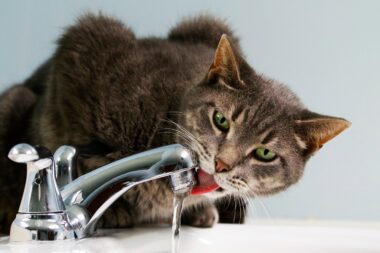
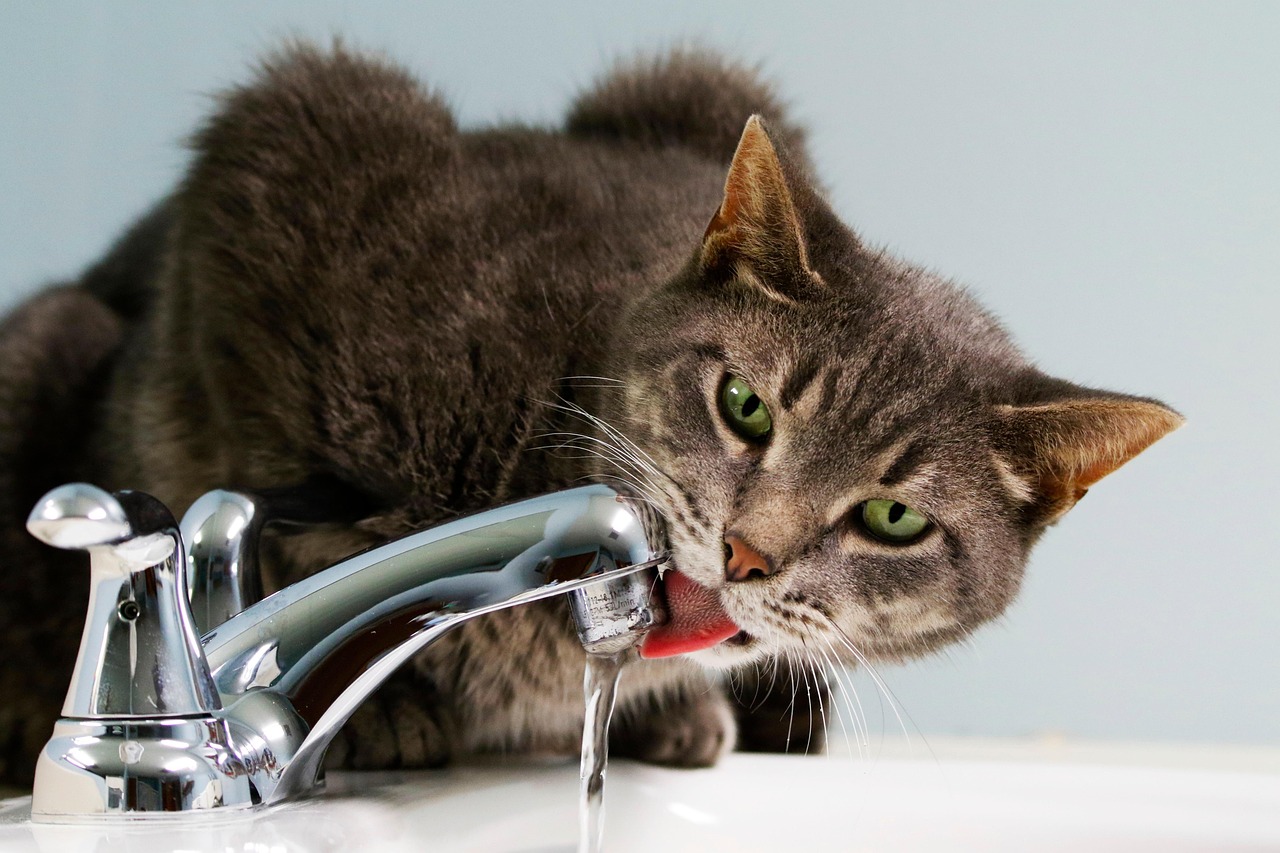
Ensuring that your cat stays hydrated is crucial for their overall health and well-being. Cats often don’t drink enough water, which can lead to various health problems, including kidney disease and urinary tract issues. The average cat requires approximately 60 ml of water per kilogram of body weight each day. This might not be easy to achieve if they primarily consume dry food. Cats also seem to prefer drinking from flowing water sources instead of stagnant water in a bowl. Fortunately, there are ways to encourage your cat to drink more. Feeding wet food can significantly increase their water intake, as it contains a substantial amount of moisture. Additionally, placing multiple water bowls around the house may entice them to drink more frequently. Keeping their water fresh and clean is essential because cats are sensitive to odors, which can deter them from drinking. You might also consider getting a cat water fountain. Cats instinctively gravitate toward moving water sources, so a fountain can be an enticing option. Monitoring their water habits will help you ensure that they are drinking enough to maintain good health.
Another effective way to encourage hydration in your cat is by incorporating water-rich treats into their diet. Consider offering broth-based treats or even ice cubes made from low-sodium chicken or beef broth, as these can entice them to consume more fluids. Another strategy is to engage them in playful activities that stimulate their need for water. Make sure to keep their drinking area appealing; regularly clean their bowls to prevent stale water odors, as cats often refuse to drink from dirty or unappealing vessels. Some cat owners have found that providing ceramic or stainless steel bowls may be more appealing, as plastic can absorb scents and tastes that cats dislike. If your cat is still reluctant to drink, consult your veterinarian for specialized recommendations tailored to your cat’s specific needs. Additionally, consider monitoring your cat for signs of dehydration such as dry gums, lethargy, or reduced appetite. Maintaining familiarity with these signs helps catch any issues early. By taking proactive steps and monitoring your cat’s water intake regularly, you can prevent potential health issues and promote better hydration habits.
The Importance of Hydration
Hydration is particularly vital because cats are inherently adapted to desert conditions and have a low thirst drive. This adaptation can leave them at risk of dehydration if they don’t receive adequate water intake. A well-hydrated cat reduces the risk of developing urinary tract issues, a common ailment in felines. Signs of trouble can include frequent urination, straining during urination, or blood in the urine. In addition, dehydration can lead to kidney issues, which can be serious in older cats. To help understand your cat’s hydration habits, observe how frequently they visit their water dish. If you notice any significant changes in their drinking behavior, it might be time to consult your veterinarian for advice. Understanding the specific needs of your cat’s breed, age, and health status can ensure proper hydration levels. Providing a consistent and upbeat environment where they feel comfortable drinking can often make a major difference. Remember, hydration is crucial not just for optimal health but also for maintaining a happy and active lifestyle for your cat.
Furthermore, it’s essential to recognize that less active cats may require less water, but they still need it consistently. Monitoring your cat’s activity levels can provide insights into their overall hydration needs. If you feed dry kibble, consider transitioning to a higher moisture-content food option. Wet food can retain essential moisture that supports their hydration without them needing to drink excessive water. Some pet owners might find that transitioning slowly to wet food prevents digestive disturbance, which could arise from sudden changes in diet. Look for hybrid formulations that offer both dry and wet food to help maintain hydration easily. Always introduce any dietary changes gradually to minimize gastrointestinal upset. Be sure to identify flavors that your cat enjoys to ensure they are happy with their meals. Keeping plenty of options readily available can reduce the likelihood of them ignoring water sources. In addition to diet, engage them in interactive playtime, as this encourages fluid intake indirectly. By approaching hydration holistically, you can establish a more balanced routine for your cat’s needs.
Signs of Dehydration
A dehydrated cat may exhibit several telltale signs, including lethargy, dry mouth, and loss of skin elasticity. Normal cats should be alert and active, so a noticeable decline in energy can indicate dehydration. Similarly, when you gently pinch your cat’s skin, it should quickly return to its original position. However, if it takes longer, it could signify significant dehydration. Other symptoms include a decreased appetite, dry or sticky gums, and even dark urine. Be vigilant about changes in your cat’s litter box, as decreased urination may indicate a problem. Keeping your cat regularly hydrated is paramount during warmer months when dehydration risk increases due to heat. Additionally, older cats may not sense thirst as effectively, and specific health issues can heighten the risk further. Understanding these signs will help you stay sensitive to your cat’s needs and keep a close eye on their health status. If you notice any concerning symptoms, timely veterinary consultation can be essential to prevent complications. It’s important to be proactive when caring for your feline friend, as their health ultimately depends on how well you understand their hydration needs.
In summary, keeping your cat adequately hydrated is key to their overall wellness. Be sure to implement strategies tailored to their preferences and habits. Cats often thrive on routine, so establishing consistent feeding and hydration schedules can help. It’s advisable to stay informed about your cat’s dietary intake as well as their water consumption. Regular vet visits are crucial for understanding their health and hydration levels. Speak openly with your veterinarian about any concerns regarding their water intake, and ask for specific recommendations. Remind yourself that every cat is different, thus their hydration requirements may vary. In closing, committed monitoring of your cat’s drinking habits can significantly impact their quality of life and longevity. Engage your fur friend by creating a positive and inviting atmosphere that encourages them to drink more, whether through playful methods, strategic bowl placements, or experimenting with different types of water dishes and food. A well-hydrated cat is generally a healthier, happier cat. Take proactive steps today for a better tomorrow!
Ultimately, it’s vital for cat owners to remain attentive and responsive to their cats’ water intake needs. Hydration impacts all aspects of their health, from kidney function to overall vitality. Creating a stimulating environment that encourages drinking will enhance their lifestyle. Remember to practice patience and experimentation, as not all cats will take to new methods immediately. Involving family members in monitoring and encouraging hydration can also promote collective responsibility. While focusing on the numbers and amount of water consumed is important, the wellness aspect should take precedence. Always prioritize the wellbeing of your feline friend as a guiding principle. Involving a veterinarian to help address hydration challenges is also beneficial, as they can provide tailored guidance and support. Reinforcing hydration habits helps cats stay energetic and engaged throughout their lives. In the long run, your cat’s health depends on their ability to maintain consistent fluid intake, so continue to foster good habits. Together, you can find strategies that suit your cat’s individualized preference and needs, ensuring they stay hydrated and healthy. Embrace the journey of promoting hydration, as your efforts will yield long-term advantages in your cat’s overall health.