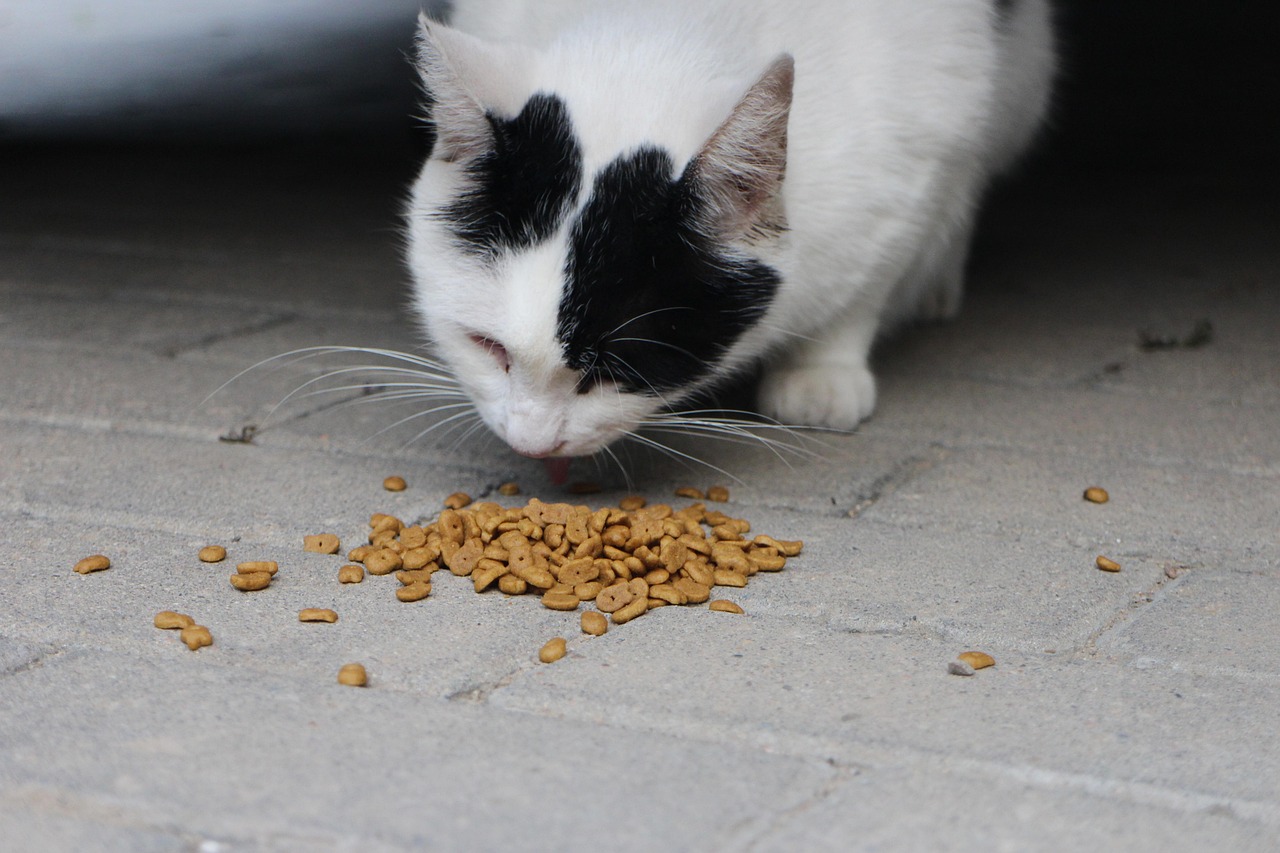

Food Reward Strategies for Timid and Aggressive Cats
When it comes to cat socialization, food rewards can be a powerful tool. Both timid and aggressive cats respond differently to stimuli, which means tailored strategies are essential. For timid cats, creating a safe space during feeding times helps them feel secure. This involves placing their food in a quiet location, away from loud noises or other pets. In contrast, aggressive cats may require gradual exposure to new experiences and stimuli. Use smaller portions for aggressive feeding, allowing for calm exploration rather than sudden bursts of energy. Make sure to monitor their behavior closely. Offering gentle praise alongside food rewards can help reinforce positive actions. Be patient; some cats take longer than others to adapt. Experimenting with different food types may also reveal specific preferences that can enhance cooperation. Catnip-infused treats or fancy wet food often work wonders in getting their attention. Always keep a gentle voice and loving tone while feeding to engage them positively. Remember that it may take time to build trust and develop effective food strategies. Over time, you’ll likely find a system that works best for your beloved feline companions.
Establishing a positive connection with food rewards is vital. For timid cats, establishing routines can help ease anxiety associated with feeding. This involves feeding them at the same time each day, which can lead to predictable interactions. Gradually increase their comfort level by allowing them to come closer during feeding. Incorporating scents can also engage their curiosity. Consider sprinkling a little of their favorite treat to entice them further to explore food dishes. For more aggressive cats, timing is critical. Offer rewards immediately after displaying desired behaviors, like using a scratching post instead of furniture. This positive reinforcement associates good actions with tasty rewards. Additionally, be mindful of their body language; aggressive reactions typically signal stress. It is often effective when reward training is done in short intervals. Always ensure that feeding treats remain a special event and not an everyday norm. For these strategies to succeed, monitor their reactions closely to prevent overwhelming them. You might need to adjust your approach depending on their responses. Building trust through food can create a bridge for future social interactions, paving the way for a more harmonious home life for you and your cats.
Understanding Cat Behavior
Understanding feline behavior is integral to effectively using food rewards in training. Every cat has unique characteristics influenced by their upbringing and experiences. Timid cats often benefit from slow introductions to both food and their environment. Emphasizing their comfort can lead to better receptiveness. Associating their feeding time with low-stress situations is key. Conversely, aggressive felines may benefit from learning stability through consistent and pleasant interactions at mealtimes. This instills confidence in their social behavior. Signs of aggression should lead to a reassessment of the method employed. Use rewards in moderation and focus on moments of calmness and cooperation. Progressive desensitization can also positively impact how you manage their food training. Create situations where aggressive behaviors can be redirected. Positive reinforcement turns feeding activities into secure and nourishing experiences. Vary the reward to maintain their interest and excitement. A wide range of food types can prevent engagement from waning over time. Depending on their preferences, try rotating flavors. Introducing new textures or using interactive feeders can also enhance engagement levels during feeding. Providing stimulation during mealtime helps reduce distraction while encouraging calm interactions.
Creating a positive learning environment involves clear communication. Using a specific command or sound before offering food can signal a rewarding experience. This technique is useful for training both timid and aggressive cats, as it helps them understand expected outcomes. Not only does it provide consistency but also gives them something positive to look forward to at mealtimes. Utilize reward-based systems, where the cat earns treats through cooperative behaviors. Both types of cats may require sessions typical of short bursts of activity that lessen stress levels. Make feeding and social interactions pleasant, as fear will only hinder progress. Socialization through food rewards can transform how cats perceive their environment. Additionally, introducing toys and engaging activities during feeding times can serve dual purposes. The challenge keeps them focused and occupied while also reinforcing their positive interactions with food. Pairing food with play can significantly reduce tension. As trust builds, so will their desire to engage during socialization efforts. Over time, you may observe shifts in their communication and social behavior, allowing you to deepen your bond with your cat.
Important Considerations for Each Cat Type
Each cat’s personality necessitates a unique approach to food reward strategies. While timid cats appreciate gentle encouragement, aggressive cats recommend a more assertive practice. The atmosphere during feeding is paramount. For timid types, use soothing voice tones and soft movements. Keep food placement straightforward, gradually moving closer to areas where interaction is likely. In doing so, your cat may begin to associate proximity with safety and indulgence. Aggressive cats often require handling with care; avoid sudden movements and loud noises. Allow them to approach food on their terms. This tactic promotes empowerment over intimidation. Furthermore, altering feeding times can prevent aggressive responses to perceived competition for resources. Regularly scheduled feeding fosters predictability and security. Additionally, monitoring food consumption is essential; be aware of how quickly they eat and adjust portions accordingly. Reinforcing calmness will yield dividends in building a mutual relationship of trust. Regular check-ins are vital to assess how positive reinforcement evolves over time, particularly with behavioral changes. Be adaptable, revising methods as necessary, while remaining dedicated to their socialization journey.
Food rewards are not just about treats; they also foster relational growth. Over time, you’ll develop a better understanding of your feline companion. Observing how they react during feeding times can offer insights into their emotional state. Employing gentle encouragements when they show interest in food can help establish confidence. Moreover, providing meals at scheduled intervals introduces predictability to their routine, which may ease anxious behaviors. Being mindful of discretion while placing food is another element worth considering. Gradual exposure to various food items encourages exploration and engagement. For example, trying various textures can illuminate which consitencies they prefer. Change your offerings gradually to observe their preferences. The goal is to enhance socialization through rewarding experiences, ensuring cooperative behavior emerges. Be prepared for setbacks; patience is critical in the journey of cat socialization. Creating positive associations with food rewards will yield excellent results when the process is consistently reinforced. Ultimately, fostering trust through shared experiences is invaluable in your relationship. The more comfortable they feel, the more they’ll be open to social interactions, ultimately enhancing your entire domestic environment.
Conclusion
In summary, employing food rewards can significantly impact socialization in timid and aggressive cats. By providing structured and affectionate interactions, you can foster a more positive social environment for your pets. Aim to observe their responses carefully and adjust your techniques for effective responses. Make feeding time a special event that both helper and helper can look forward to daily. Every stage of engagement held with positive care can serve to reinforce bond-building efforts. Although results can take time, don’t become discouraged; the goal is meaningful connections. Young or old, each cat has its pace when it comes to trust-building. Cats are generally creatures of habit, embracing routine, consistent practices will further promote feelings of security. Use every feeding opportunity to create beautiful moments of connection. Enjoy playful interactions and rewards while witnessing positive shifts in behavior. Success is possible when you dedicate time and energy to understanding your feline friend. The bond you share with your cat can enhance not just their lives but your own, resulting in a harmonious household where both parties thrive happily.
By practicing these essential food reward strategies, you may find that timid cats become more social and open to engaging with you. Likewise, aggressive cats can learn to feel comfortable and secure in their environment, changing their entire demeanor over time. Patience remains key, along with consistent reinforcement of positive experiences. Through small, manageable steps, these transformations can lead to a calmer, more engaged household, allowing cats to thrive within it. The beauty of socializing felines through food rewards lies in their ability to adapt while developing a positive association with human interactions. Every effort you expend towards this direction only rewards you in enriching your relationship and understanding with them.