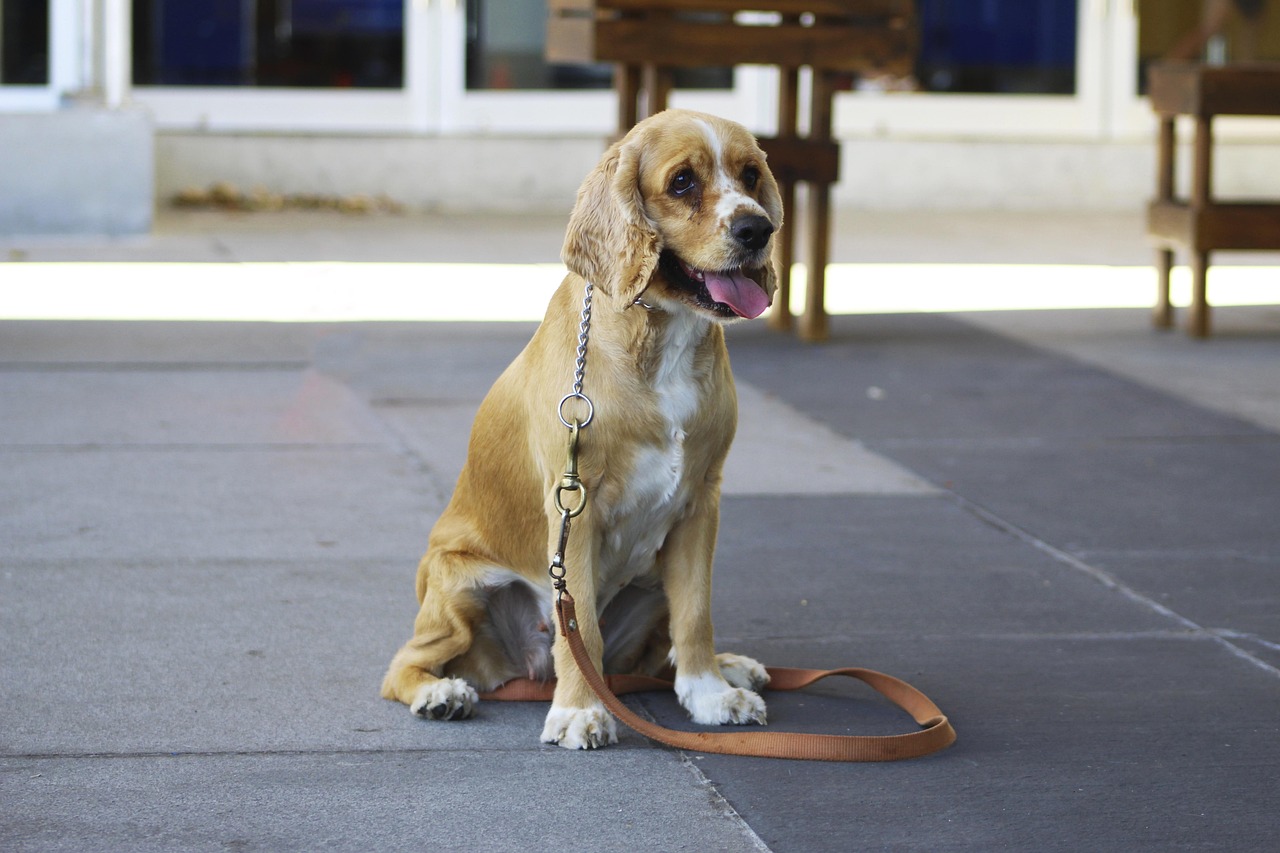

How to Use Commands Consistently to Train Your Puppy
Training your puppy effectively requires establishing a strong foundation of obedience commanded by consistency. Puppies, like children, thrive on certainty and familiarity, so using the same commands each time is crucial for their understanding. For instance, if you want them to sit, always use the same verbal cue and hand signal to prompt this action. As you train, reinforce positive behavior with treats, praise, or playtime. This not only motivates your puppy but also creates positive associations with your commands. Remember, training sessions should be kept short and enjoyable, as puppies have limited attention spans. Ideally, aim for 5-10 minutes per session, multiple times a day. Practicing persistently is key; repetition leads to mastery. Incorporate learning into daily routines, such as during walks or meal times. By expecting your puppy to respond appropriately in various contexts, you reinforce their understanding across different environments. Offer ample praise for correct responses to foster a deeper bond. With patience and consistency, you and your puppy can develop a rewarding relationship built on mutual respect and understanding.
As you progress in your puppy training journey, it’s essential to diversify command applications and settings. Practicing commands in different locations helps strengthen your puppy’s understanding of what each command means. Start with familiar environments, such as your home or backyard, then gradually introduce new ones like the park or a friend’s house. This not only tests their obedience but also exposes them to new distractions. If your puppy can sit, stay, or come in various settings, it solidifies their training. Consistent cues across settings establish reliability. Additionally, ensure your family members use the same commands to avoid confusion and reinforce learning. Use variations of commands sparingly, as too much change can lead to frustration for your puppy. Having a family-wide agreement on training methods promotes consistency and enhances communication. Incorporate daily routines. For example, ask your puppy to sit before meals or wait at doors, reinforcing commands regularly. Lastly, don’t forget to reward good behavior and progress. The more positive experiences your puppy associates with commands, the more eager and motivated they will be during training.
Long-term success in puppy obedience training also involves maintaining a calm and assertive demeanor during training sessions. Dogs are incredibly perceptive to human emotions, and they can sense frustration or impatience. Thus, remaining calm when your puppy struggles to grasp a command is essential. If a command is not being followed, instead of repetition without progress, take a step back. Try a more positive approach by rephrasing the command or altering your tone. For example, if your puppy doesn’t respond to “come,” instead use a more enticing tone or call them in a playful way. Patience truly pays off; keep in mind that puppies, just like kids, learn at their own pace. Breeds may vary in their learning speeds, and some may require more time than others. When they succeed, shower them with praise or treats as reinforcement. Remember, training isn’t about perfection; it’s about building a trusting relationship throughout this learning journey. Focus less on mistakes and more on incremental improvements, celebrating little victories in your puppy’s training, which strengthens their confidence.
Utilizing Positive Reinforcement Strategies
Positive reinforcement is a critical element in puppy training that fosters a loving and supportive atmosphere for learning. When puppies respond correctly to commands, it’s essential to reward them immediately so they associate the behavior with the desired outcome. Rewards can include verbal praise, treats, or playtime; each is effective if used at the right moment. Timing is vital—rewarding at the exact moment they respond appropriately helps them make connections. As training progresses, try to reduce treat frequency gradually while still praising them vocally. This method promotes understanding and strengthens their skills without relying solely on food rewards. Furthermore, make sure to vary the rewards; this curiosity keeps the puppy interested and eager to perform once more. Introduce different types of treats and reinforcers, ensuring they remain motivated. Training sessions should be diverse in activities to maintain their enthusiasm. Modifying your approach prevents boredom and keeps training fresh, allowing optimal learning. As your puppy masters commands, you may want to introduce new and more challenging commands to keep their learning journey engaging and dynamic.
Creating a structured training schedule can significantly enhance your puppy’s obedience training outcomes. Establishing a clear routine provides the puppy with a sense of security and expectation. For instance, designate specific times during the day for training sessions and stick to them. Morning, midday, or evening sessions might work well, depending on your daily routine. Moreover, consistency in duration—keeping training sessions to around 5-10 minutes—ensures your puppy remains engaged and avoids mental fatigue. Understanding your puppy’s energy levels is key; if they seem restless or distracted, consider adjusting the time of the sessions. Elevated energy levels may indicate that a more active training approach is needed. Alternating between trick training, obedience, and fun play breaks keeps their mind active. Furthermore, during training, pay attention to signs of stress or boredom. Redirecting focus or taking a break helps maintain a positive training atmosphere, ensuring learning stays enjoyable. Keeping track of progress by noting successful commands and loose-leash walking practices can be very beneficial to gauge your puppy’s growth over time.
Socialization is another vital aspect of puppy obedience training that shouldn’t be overlooked. Exposing your puppy to different people, pets, and environments teaches them how to interact positively with the world around them. Start this process early, ideally during your puppy’s critical socialization period (between 3-14 weeks of age). Organize meetups with other vaccinated dogs or take them to puppy classes where they can learn from their peers in a controlled environment. Positive experiences during socialization lead to more confident adult dogs. Proper socialization reduces anxiety and fearfulness; thus, making training easier as they grow. Furthermore, while socializing, continue to reinforce commands learned during structured training sessions. For example, asking your puppy to sit or stay during playtime with other dogs reinforces their learning and builds good manners. Remember to supervise interactions, ensuring the experiences are safe and positive. Offer rewards for good behavior, fostering a deeper connection with their commands. Gradual exposure helps your puppy recognize various situations, reinforcing their commands effectively throughout their daily life.
Conclusion: Building a Lasting Bond Through Training
In conclusion, the journey of puppy obedience training is more than teaching commands—it’s about building a lasting bond with your puppy through trust, communication, and shared experiences. Consistency in using commands, positive reinforcement, patience, and socialization creates a robust training framework. Remember that learning takes time, and celebrate the small victories alongside your puppy. Adaptability in your training approach ensures that your sessions remain dynamic and engaging, fostering loyalty and respect. As your puppy responds positively and learns, it enhances your overall relationship, enriching both of your lives. New commands can be introduced after mastering basic ones, ensuring there’s always something for them to learn. Keep training fun and varied, as most puppies thrive in stimulating environments. Additionally, engage your entire family in the training process, creating a united front in expectations and methods. This collaborative effort strengthens the communication bond between you and your puppy. Continue seeking knowledge through various resources to enhance your training techniques. The more tools you have, the better the relationship you will cultivate.