
Setbacks in Cat Exercise: How to Recognize and Handle Them
Recognizing setbacks in cat exercise is crucial for maintaining your pet’s health. Common exercises for cats include play sessions, interactive toys, and climbing structures. However, cats can experience various challenges that hinder their physical activity. For instance, lack of interest in toys or outdoor play can be a significant setback. Some cats may also avoid exercise due to environmental factors such as noise or other pets. To encourage exercise, observe your cat closely. If they show decreased activity, consider whether their environment is stimulating enough. Additionally, health issues should not be overlooked. If you notice any sudden changes in your cat’s exercise behavior, a visit to the veterinarian is essential. Overall, addressing these setbacks promptly can lead to better outcomes. Create a routine involving different types of exercises to keep your cat engaged and healthy. Remember, some cats may be more prone to inactivity than others. Therefore, tailor their exercise routines accordingly and ensure it’s enjoyable for them. Incorporate varied activities to spark their natural instincts and preferences for physical activity. Keeping your cat stimulated benefits their overall well-being, so take action promptly.
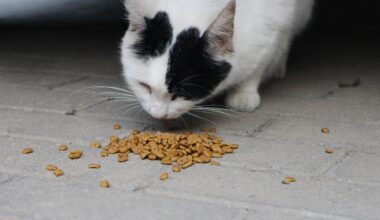
Another common challenge involves weight management in cats. Many owners tend to overlook their cat’s body condition and may not recognize when their pet is overweight. Obesity can greatly hinder a cat’s ability to exercise and overall mobility. If your cat is overweight, they might prefer to lay around instead of engaging in activities. It’s essential to monitor their diet and exercise habits closely. Consider a well-balanced diet and gradual changes to their food intake. Implementing a structured exercise routine is vital as well. Both indoor and outdoor play can help your cat shed unwanted pounds. Focus on interactive toys or light play to begin with, gradually increasing intensity. Additionally, plenty of patience is required, as weight loss is a gradual process in felines. Keep track of your cat’s progress, as adjusting the diet may be necessary over time. Encourage active play during scheduled times each day; this establishes exercise as a regular activity, which will foster engagement. Creating a positive atmosphere ensures your cat enjoys being active, which will contribute to overcoming weight-related challenges. Aim for a target weight, and provide praise along the way.
Diverse Exercise Options for Cats
Finding the right type of exercise for your cat can also represent a challenge. Not all cats enjoy the same activities, making it essential to discover what suits your unique feline best. Some cats might engage eagerly with feather wands or laser pointers, while others might prefer rolling balls or toys they can chase. To gauge their preferences effectively, experiment with various toys and activities. You might consider outdoor excursions with supervision or engaging them in games that stimulate their natural hunting instincts. Additionally, providing a variety of climbing and scratching surfaces encourages exploration and physical fitness. Consider creating a designated play area filled with different types of stimulating environments. Keep in mind that certain breeds predispose to fewer energy levels, making it necessary to adjust expectations. Always monitor for signs of fatigue, especially in senior or less active cats. Recognizing their limits will help prevent exercise-induced stress or anxiety. A well-rounded exercise regime shaped around their interests leads to lasting results. Lastly, be prepared to introduce new items to the mix regularly; as cats can easily become bored with their existing toys.
Injuries can also impede your cat’s ability to engage in exercise. Just like humans, cats can be susceptible to strains, sprains, or more serious injuries, which may prevent them from participating in regular activities. Signs of potential injuries might include limping, reluctance to jump, and abnormal behavior during normal play. If you suspect an injury, it’s vital to consult your veterinarian immediately for an accurate diagnosis. Resting an injured cat is essential, but offering gentle stimulation can help alleviate boredom. Gradually reintroducing mild activities may aid recovery, always taking care not to push their limits. Consider employing gentle exercises such as low-energy play sessions, which allow your pet to retain some physical activity without risking further injury. Additionally, be sure to provide a comfortable and stress-free healing environment. Use soft bedding and maintain a calm atmosphere, especially during recuperation. Fresh water and high-quality food should be readily available to support the healing process. Patience is key, and after sufficient rest, your cat may return to their normal exercise levels. Always prioritize your cat’s well-being over traditional exercise routines.
Understanding Behavioral Setbacks
Behavioral setbacks can also hinder a cat’s exercise routine. Often, changes in the environment or stressors can lead your cat to become less engaged in play. For example, recent adoptive pets, house moves, or new family members may impact their activity levels. Understanding your cat’s behavior will help pinpoint reasons for their reluctance to exercise. Pay attention to body language and vocalizations, as these may indicate anxiety or stress. Establishing a safe space for your cat is vital, allowing them to retreat during overwhelming situations. Additionally, employing behavioral enrichment techniques can help alleviate stressors. Providing vertical spaces and hiding options in your home encourages exploration and a sense of safety. Redirect stress or anxiety through affection or calm interactions to reinforce positive behaviors. Be patient during the transition phase; changes often take time for adjustments. It can assist in promoting activity, so gradually introduce new toys or playtimes. Fostering a secure environment ultimately leads to greater relaxation. Ultimately, recognizing behavioral changes and adjusting your response can yield significant improvements in overall exercise engagement.
Socialization is another crucial component that can influence your cat’s exercise habits. Some cats thrive in the company of others, while some prefer solitude. Owners must recognize their pet’s social needs and the impact of additional pets in your household. A highly socialized cat may become more active when paired with another playmate, while an introverted cat might react negatively to newcomers. Evaluating your cat’s reactions will determine the best approach for enhancing socialization and activity. To stimulate engagement, consider introducing your cat gradually to new pets and allowing supervised common space to observe behavior. Offering interactive play sessions with both cats can further enhance their bond. Additionally, pets can benefit from engaging simultaneously with the same toys or activities. Fostering healthy companionship helps reinforce positive behaviors, increasing overall exercise enthusiasm. Encourage social playtimes together in safe, neutral environments to promote better engagement levels. Monitor interactions closely, and always intervene if signs of aggression occur. Each cat is unique, so respect their preferences for social interaction. A well-rounded activity routine that prioritizes hydration and nutrition leads to healthier, happier cats.
Conclusion and Next Steps for Cat Owners
In conclusion, setbacks in cat exercise can arise from various challenges such as environment, health, and behavior. Early identification and intervention can significantly impact your feline’s overall physical activity levels. As a cat owner, it is your responsibility to monitor and understand these potential setbacks. Create an enriching environment that promotes exploration through climbing structures, engaging toys, and social interactions. Ensure regular vet visits to address any physical concerns timely. Tailoring exercise routines specifically to your pet’s personality and energy levels will lead to better engagement. With consistent effort, you can help your cat overcome their exercise challenges. Additionally, educating yourself on feline behavior and health can enhance your ability to support your cat successfully. Be open to experimenting with new toys or activities to maintain their interest and avoid boredom. Remember that patience and observation are crucial in nurturing an enthusiastic and active companion. As your cat begins to embrace exercise and playtime, you will build a better Quality of Life for your beloved pet through these enriching experiences.
Upon overcoming setbacks, continue to monitor your cat’s progress and modify routines as needed. Regular assessment allows you to stay attuned to your cat’s preferences as well as any evolving challenges. Through dedication and understanding, you will foster a more active and healthier lifestyle for your feline companion. Consistency will reward both you and your cat through improved bonding and enhanced happiness. Remember, the joy of seeing your cat thriving and energetic is well worth overcoming potential exercise hurdles.