
Socialization’s Effect on Dog-to-Dog Interaction and Communication
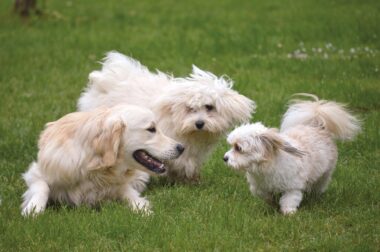
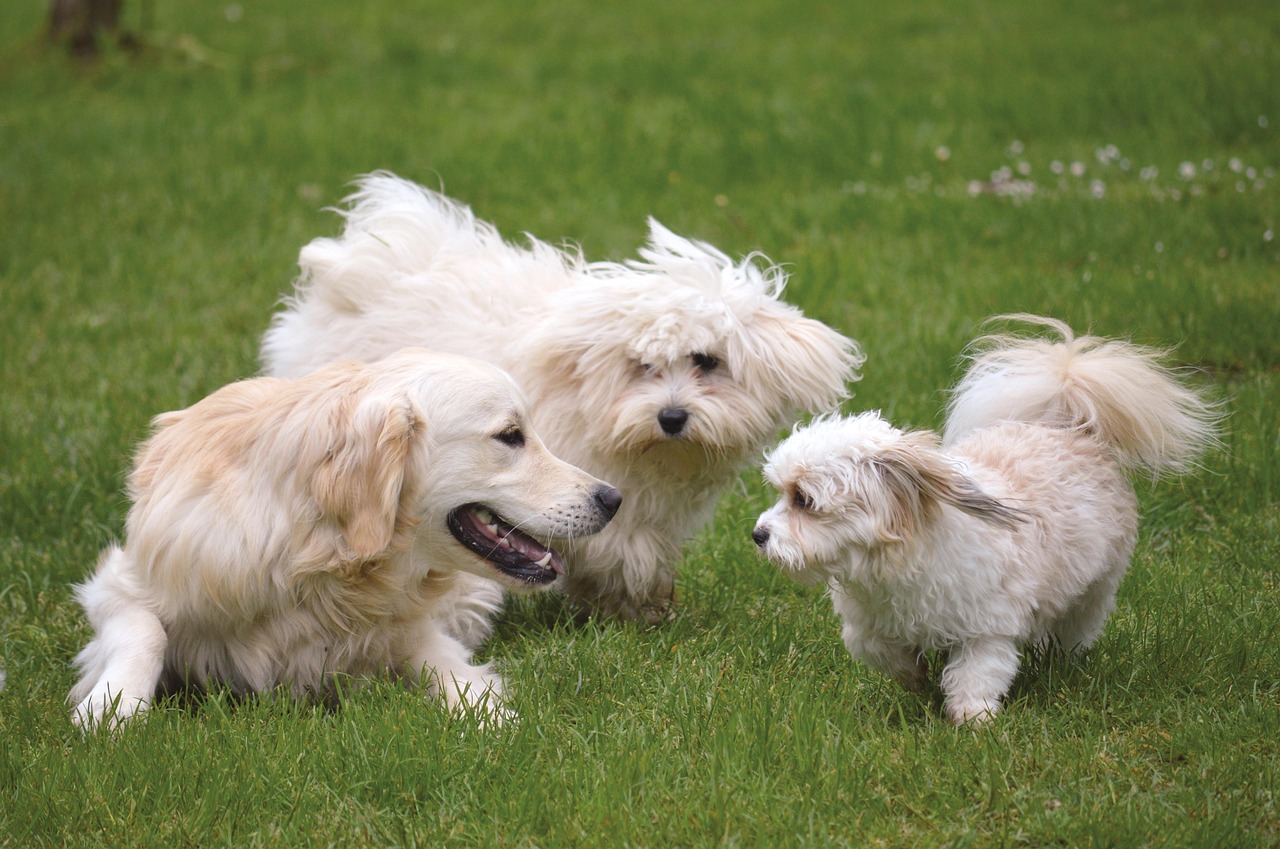
Socialization plays a vital role in shaping how dogs interact and communicate with each other. Through proper socialization from a young age, dogs learn critical communication cues that are essential for peaceful cohabitation with other dogs. Positive interactions, such as playtime with other well-socialized dogs, can immensely boost a dog’s confidence and ability to convey messages through body language. Without these experiences, a dog may misinterpret social cues, causing confusion or even aggression. Communication in dogs largely involves various signals such as barks, growls, and body postures. For example, a wagging tail does not always indicate friendliness; it can also convey excitement or anxiety. Thus, understanding these signals becomes crucial, and socialization helps shape a dog’s perception of these cues. Moreover, dogs that engage in regular socialization often exhibit fewer behavioral issues, leading to more harmonious interactions. Social settings provide environments where dogs can practice these skills continually, which aids in better communication and interaction. To summarize, socialization builds a foundation for successful dog-to-dog communication that fosters positive relationships. It is essential for owners to prioritize these experiences from a tender age to ensure their dogs grow up understanding their canine companions.
The benefits of dog socialization extend beyond just improving communication; it significantly influences their behavior as well. Dogs that are properly socialized generally show a reduced level of anxiety or fear during interactions with unfamiliar dogs. This ease of interaction stems from their familiarity with various dog breeds, sizes, and behaviors encountered during their socialization period. Positive experiences lead to a more open and inviting attitude towards other dogs. Furthermore, regular socialization sessions can prepare them for various situations they may face, such as parks, dog-friendly events, or busy streets. This readiness also hones their skills in reading the body language of other dogs, making them adept at responding appropriately. For instance, they learn to identify a dog’s preference for play versus a dog that prefers to be left alone, helping mitigate potential conflicts. However, neglecting socialization can lead to stress, reactivity, and behavioral issues that may later evolve into serious aggression. Hence, regular, controlled interactions with a range of dogs are paramount. Ultimately, such exposure reinforces their adaptive responses in diverse environments, enhancing their social skills along with effective communication.
How Socialization Affects Dog Behavior
The affective link between socialization and behavior in dogs cannot be overstated, as it directly correlates with the quality of communication they exhibit. With consistent socialization practices, dogs tend to develop more secure feelings while interacting, allowing them to express themselves freely. For example, when dogs are eased into different social environments, they become less likely to react defensively against others. Instead, they focus on communicating openly, fostering connections with fellow canines. This social exposure not only impacts their immediate comfort levels but also assists in shaping their overall personality and behavior. Imagine a puppy meeting various dogs; they learn that encounters can be safe and enjoyable. Such experiences contribute positively to their emotional resilience. Additionally, socialized dogs often become more playful, engaging in healthy, joyful ways that encourage the same in others. A lack of socialization often results in maladaptive behaviors, such as shyness, anxiety, or aggression. For owners, facilitating these experiences is essential as they serve as investment into their dog’s long-term happiness. In conclusion, socialization is crucial as it perpetually influences dog behavior through enhanced communication skills and emotional health.
Furthermore, communication among dogs is nuanced and varies significantly based on breed characteristics and individual personalities. Socialization helps dogs learn to differentiate between active play and passive observance, which is critical for allowing them to interpret and respond correctly to complex interactions. This is especially true during playtime; well-socialized dogs understand when another dog is inviting them to play or signaling discomfort. Misreading such signals can lead to unwanted confrontations, underscoring the need for effective social skills. As dogs become familiar with one another in a social setting, they begin to recognize personal boundaries, leading to more harmonious interactions. Moreover, structured socialization experiences can further enhance this learning by providing them with opportunities to engage positively with reactive or shy dogs. Ideally, dog parks and training classes serve as ideal venues for refining these critical skills. It is crucial that pet owners take the time to expose their dogs to various social settings to cultivate these important skills. Dogs that fail to engage in sufficient socialization early in life may struggle with behavioral issues later on, hindering their ability to form friendships.
Creating Opportunities for Positive Interaction
In practical terms, creating opportunities for positive dog-to-dog interactions in varied environments becomes essential in today’s urban lifestyles. Dog owners can facilitate socialization by enrolling their pets in organized dog training classes, playdates, or bunny daycare facilities that offer structured play options. In a training environment, dogs are often paired with appropriate playmates, allowing them to learn how to communicate effectively under guidance and supervision. Proper management ensures that interactions are safe and beneficial, reducing the chance of negative experiences that can threaten solid communication development. Owners should consistently monitor their dog’s responses to fellow dogs, adjusting social situations as needed to build positive associations. Moreover, pairing socialization with rewarding experiences, like treats and praise, reinforces desired behavior. Implementing play scenarios that require dogs to work together can also be beneficial. For instance, using toys requiring teamwork encourages both dogs to collaborate and improves their communication skills. Remember that early and ongoing exposure is key to maintaining these skills. With thoughtful planning and execution, dogs can flourish socially, paving the way for strong communication and mutually enjoyable interactions.
While socialization enhances communication with fellow dogs, it is essential to recognize how this skill translates into the human-dog bond. As dogs learn to communicate better with their peers, their confidence inevitably increases, leading them to engage more positively with humans as well. This transition is often marked by a calmer demeanor when meeting new people, making outings more enjoyable for both dog and owner. Dogs that have been socialized effectively will likely exhibit relaxed and friendly behavior towards strangers; in contrast, poorly socialized dogs may resort to barking, hiding, or other defensive postures during encounters. This ease not only fosters a smoother interaction with humans but encourages safer public spaces for everyone. In turn, when owners are relaxed and reassured by the dog’s social response, they are likelier to engage in more adventurous activities together, further solidifying their bond. The communication skills gained from other dogs assist in shaping their approach to various situations they face daily. Thus, socialization creates a positive feedback loop wherein enhanced dog-to-dog communication also enriches human interactions, benefiting all relationships involved.
Conclusion: The Essential Role of Ongoing Socialization
In conclusion, the essential role of ongoing socialization cannot be understated when aiming for effective dog-to-dog communication and overall well-being. Continuous opportunities for socialization elevate a dog’s ability to understand and convey their needs and feelings among other dogs. These opportunities have the potential to shape personality traits that contribute to amiable relationships with both canine and human peers. By investing effort in arranging playdates, obedience training, or puppy classes, owners are setting their dogs up for successful communication experiences. Additionally, the dividends of such effort yield healthier, more confident animals. The relationship that develops from enhanced communication fosters a rewarding and fulfilling ownership experience both at home and in social environments. Dog owners need to be proactive and vigilant regarding their dog’s socialization, understanding the long-term benefits it provides. Through a cycle of social engagement, dogs will continue to enhance their skills, fostering friendships with other dogs and people alike. Remember, communication is a two-way street; with effective ongoing socialization, the joys of dog ownership reach immeasurable heights.
This final paragraph summarizes the influence socialization has on the essence of dog communication. Engaging in multifaceted social experiences builds a foundation for better interactions, leading to improved satisfaction in the dog’s life. Owners who actively promote socialization are promoting their dog’s well-being and fostering an understanding of dog communication in a myriad of forms. Ultimately, this practice instills a sense of security, boosting both the dog’s emotional and social intelligence. As communication skills develop, dogs exhibit more positive behavior, which directly correlates with their overall happiness and adaptability in various environments. The overall takeaway is socialization isn’t merely a phase but a critical lifelong journey that enriches a dog’s life. It aids in navigating the complexities of canine communication, allowing dogs to grow into well-adjusted members of the pack, whether it’s with fellow canine companions or their human families. By prioritizing socialization, owners ensure that their pets live fulfilling lives, teeming with genuine interactions that contribute to their happiness and emotional health. Advocating for ongoing social opportunities reaps benefits that ripple through the entire ecosystem of dog relationships.