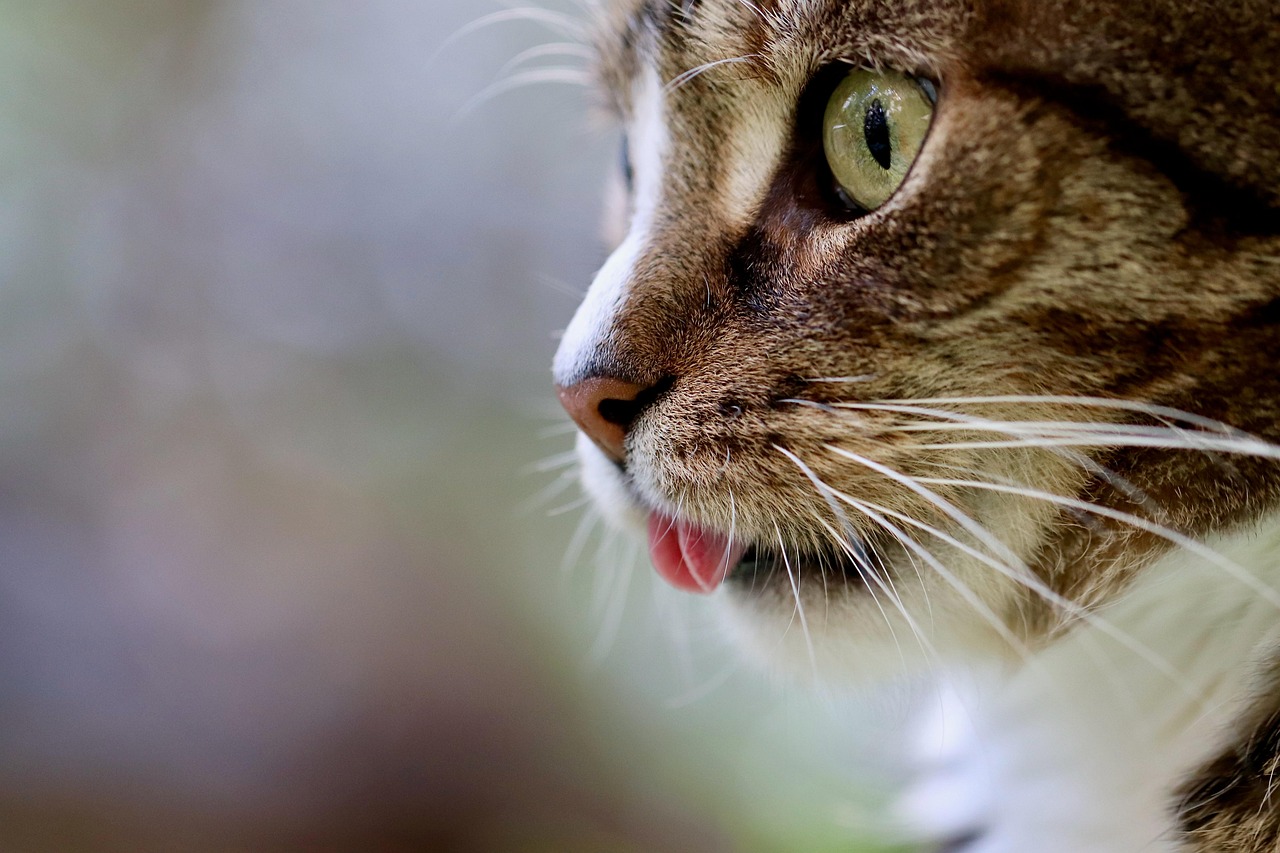

The Connection Between Cat Taste Preferences and Health
Understanding a cat’s taste preferences is essential for their health and well-being. Cats are obligate carnivores, meaning their diet primarily consists of meat. As a result, they have unique taste receptors that influence their food choices and preferences. Their taste preferences are shaped by several factors, including evolutionary traits and individual experiences. Unlike humans, cats have fewer taste buds; they lack the ability to taste sweetness. Therefore, it’s crucial to focus on protein-rich diets that cater to their natural instincts. The temperature and texture of food also play a significant role. Many cats prefer their food at room temperature and exhibit a liking for softer textures. Additionally, the aroma of food influences their appetite. Feeding your cat different types of protein sources, such as chicken, turkey, and fish, can help you identify their favorites. Understanding these nuances can establish a satisfying feeding routine that provides holistic nutrition. Paying attention to their preferences will lead to a healthier, happier cat capable of maintaining its energetic lifestyle. Proper nutrition, tailored to their preferences, can also help manage chronic issues effectively and promote overall health.
To ensure your cat enjoys its meals, it’s important to recognize that palatability is essential for food intake. The texture and consistency of the food can significantly impact how much they consume. Dry kibble, for example, is generally more crunchy, while wet food offers a softer and juicier option. Many cats prefer wet food due to its high moisture content, which can contribute positively to their hydration levels. When transitioning between food types, it is advisable to do so gradually to avoid gastrointestinal issues. A sudden switch can lead to stomach upset, which can create aversion to the new food. Observation is key; watch how your cat responds to different textures and flavors. Offer a variety of diets to discover what they favor most. Incorporating treats made with fish or poultry can serve as an excellent way to mix up their food routine and encourage mealtime enthusiasm. Healthy treats can serve as a training incentive as well. Always ensure that whatever new food is introduced aligns with their dietary needs to maintain health balance and prevent obesity.
The Role of Ingredients in Cat Taste Preferences
Ingredients play a crucial role in determining what your cat will enjoy eating. Cats often show preferences for specific proteins like chicken, beef, lamb, and fish. Each cat is unique; therefore, understanding individual preferences can aid in meal planning. Providing mixed proteins can add interest and ensure you’re catering to their dietary needs. It’s vital to select high-quality ingredients, as they offer better taste and higher nutritional value. Understanding ingredient labels is essential in selecting the best cat food. Look for animals as the primary protein source rather than by-products. Grains aren’t typically part of a cat’s natural diet and can lead to allergies or sensitivities in some cats. Certain supplements, like taurine, are necessary for heart health, while omega fatty acids support a shiny coat. The importance of balancing nutritional needs can’t be overstated. Always ensure that the food you choose offers essential vitamins, minerals, and necessary protein levels. Take an analytical approach by noting any changes in your cat’s behavior and dietary preferences which could signal health issues requiring attention.
Developing a strong bond with your feline friend can begin with understanding their taste preferences. Utilizing positive reinforcement during feeding times can foster a more trusting relationship. Experiment with various feeding methods; some cats may prefer slow-feed bowls, while others thrive on traditional dishes. Keep in mind that some cats are more food driven, and having set meal times rather than free feeding fosters stronger bonds. When introducing new food, create an engaging environment, perhaps by utilizing puzzle feeders or interactive toys. This will stimulate their natural foraging behavior while keeping mealtimes exciting. Engaging your cat through different feeding practices can also improve mental stimulation, leading to an overall healthier lifestyle. Observing your cat’s reactions to these changes can give valuable insights into their preferences. Monitor how their interactions with food differ; enthusiasm can vary from playing with their food to eagerly devouring it. Adjusting feeding times and presentations can optimize their nutritional intake. Over time, as needs change, regular communication with your veterinarian will help tailor a diet plan suited specifically for your cat’s age, weight, and health requirements.
Conclusion: The Importance of Tailored Nutrition
Providing properly tailored nutrition based on your cat’s taste preferences is essential for their long-term health and happiness. Recognizing that cats are distinct individuals with varying palatability is vital in crafting a satisfying diet. Observing their reactions to different foods not only helps ensure enjoyment but can prevent possible health issues as well. A consistent feeding approach—utilizing both soft and hard textures—will keep them engaged and interested in their meals. Moreover, regularly changing their food options can prevent boredom and encourage a healthy appetite. Investigating the nutritional value of ingredients and ensuring proper meat content is critical in aligning with their carnivorous nature. Consulting with veterinarians regarding dietary needs can help pinpoint specific requirements based on activity levels and health conditions. Regularly reviewing the dietary impacts on behaviors, energy levels, and overall well-being will continue to inform your choices as a cat owner. Adequate nutrition goes beyond taste; it supports their immune system, maintains muscle mass, and preserves healthy organ function. Engaging with your feline companion through food will enhance your bond and elevate their living experiences holistically.
Additionally, some research indicates specific flavors can promote healthy eating habits in cats. Cats may be more prone to eat varieties enriched with fish oils or chicken compared to other flavors. Their natural instincts drive them toward specific scents that evoke hunting behaviors. This emotion signifies a form of recognition linked to food sources familiar to them, ensuring they consume adequate nutrients. Therefore, understanding their taste preferences can steer owners toward choices that not only appeal to their palate but also nourish them efficiently. Identifying their preferences involves observation, trial, and experiential learning. Learn how they respond to food changes, as fluctuations in appetite can suggest health variations. Notably, regular veterinary visits may reveal underlying issues that could affect eating patterns. As you evolve your cat’s diet, track these adjustments closely to maintain an optimal nutritional profile. Formulate gradual changes to the diet plan; sudden shifts might not resonate well with them. Fostering an environment conducive to healthy eating habits will keep your cat joyful and healthy. A thriving cat is often a result of attentiveness toward their preferences, dietary adjustments, and nutritional awareness.
Understanding the connection between taste preferences and health not only aids in meal planning for your cat but also promotes their overall quality of life. Cats capable of choosing foods that satisfy their preferences experience lower stress levels around mealtime. This interaction fosters a nurturing environment, allowing them to develop a trusting bond with their owners. Adequate hydration plays a vital role in their health, and utilizing flavor-enhanced water can encourage more frequent drinking. Likewise, introducing variety into their diet helps avoid food fatigue and may lead to better nutritional intake. It’s essential to view your cat’s nutritional needs through a holistic lens. By providing a variety of options and engaging in signs of preference or aversion to food types, owners can significantly contribute to their feline friends’ longevity and health. A balanced diet rich in protein should accommodate their natural dietary behaviors, ultimately ensuring they lead happy and vibrant lives. Recognizing that health begins with dietary choices is an essential step in being a responsible cat owner. Observe them, adjust as necessary, and build a better culinary experience for your beloved furry companion.
Exploring Cat Taste Preferences
Exploring the factors that influence cats’ taste preferences can reveal significant insights into their dietary needs. Cats are known to have an innate preference for savory flavors over sweet, aligning with their carnivorous evolution. Providing a diet that mirrors their natural eating habits can have profound impacts on their health. The variety in proteins, flavors, and even food shapes can make a big difference in mealtime satisfaction. Studies have shown that offering different textures can also be beneficial. For instance, a combination of crunchy kibble and moist canned food can cater to their evolving preferences. Additionally, freshness in food can affect their desire to eat. Cats typically respond well to freshly opened pouches of food compared to those that have been sitting around. Hence, ingredient freshness is also worth considering. Encouraging exploration and curiosity within their feeding environment can bolster their interest in meals. Making modifications to portion sizes and meal presentations can continuously align their diet with health goals. Ultimately, staying attuned to your cat’s preferences and adjusting accordingly guarantees a healthy and engaging feeding experience that resonates with their needs.