
The Connection Between Play and Hunting Skills in Cats
Play behavior in cats is essential for their development, as it mimics hunting skills necessary for survival. Through play, kittens learn to stalk, pounce, and capture prey, which are fundamental instincts that remain within them as they grow. Observing these behaviors can provide insights into a cat’s psychology and its need for stimulation. Engaging in play helps develop coordination and strengthens muscles, which are crucial for their overall health. Additionally, play offers mental enrichment, encouraging problem-solving skills and creativity. Toys effectively stimulate these behaviors, allowing cats to engage their natural instincts while providing both physical and psychological benefits. By introducing a variety of toys, cat parents can help ensure their feline companions remain active and healthy. The types of play differ according to age, with young kittens often favoring interactive or solo play. Understanding these preferences is vital for any cat owner looking to nurture their pet’s abilities. Ultimately, incorporating regular playtime into a cat’s routine can significantly impact their well-being, reducing behavioral issues and enhancing their hunting prowess, which is especially beneficial for indoor cats who may lack opportunities to explore the outdoors.
Research shows that play is not merely entertainment; it’s an important aspect of a cat’s learning process. Early in life, kittens are propelled into social play with their littermates, allowing them to practice and refine their hunting techniques. Through playful interactions, they learn the vital skills necessary for successful hunting in adulthood. This play often includes mock-chases and wrestling, mimicking the dynamic nature of chasing prey in the wild. Observing such behaviors can deepen an owner’s understanding of their cat’s psychological needs. The variety of toys available today cater to different play styles, whether it’s chasing balls, wrestling with plush toys, or engaging with strings. Providing an environment rich in play activities can reduce stress and prevent boredom, which may lead to undesirable behaviors. Moreover, play helps to establish a bond between the cat and its owner, making it a valuable investment in the relationship. Ensuring that playtime is a consistent part of a cat’s daily routine not only nurtures their hunting instincts but also promotes a healthy lifestyle, contributing to their happiness and overall well-being.
The Role of Environment in Play Behavior
The environment significantly influences a cat’s play behavior, impacting how they engage with their surroundings. Cats are naturally curious creatures, and their play reflects their interest in exploration and conquest. Environments that lack stimulating features often lead to diminished play behavior, which can negatively affect their hunting skills. To cultivate a rich play environment, cat parents can incorporate elements like climbing trees, scratching posts, and interactive toys to entice and engage their cats. Such setups mimic the diversity of habitats that wild cats might encounter, making playtime more engaging and meaningful. Furthermore, enriching their surroundings with safe, physical challenges promotes exercise and mental agility, crucial for maintaining a cat’s health over time. Rotating toys and introducing new activities can prevent monotony, keeping their interest alive. Understanding the environmental needs of each individual cat is essential for promoting effective play behavior. Cats often thrive in stimulating environments where they have the opportunity to observe and explore. This ensures their play reflects their natural instincts and develops their essential skills, ultimately supporting their overall happiness and instinctual drives.
Physical play stimulates a cat’s cardiovascular system, which is essential for maintaining a healthy weight and preventing obesity. This is particularly important in indoor cats that may not have access to the same physical challenges as their outdoor counterparts. Regularly scheduled play sessions provide not just entertainment, but essential exercise that can counteract sedentary behaviors. Furthermore, play can also help with mental health; it alleviates anxiety and stress, reinforcing the link between play and emotional well-being. Engaging in a variety of play types can also encourage social skills in cats, particularly those raised in multi-cat households. Such interactions not only promote healthy rivalry but also help with establishing social hierarchies. Owners should be mindful that each cat has unique preferences regarding play styles and types of toys; what excites one may not intrigue another. As owners witness their cats engage in spirited play, they gain more insight into their personalities and preferences, allowing for tailored interactions that support both well-being and behavioral management. Play, therefore, emerges as a multifaceted tool in nurturing cats, promoting both physical and emotional health across their lifespan.
Understanding the Different Types of Play
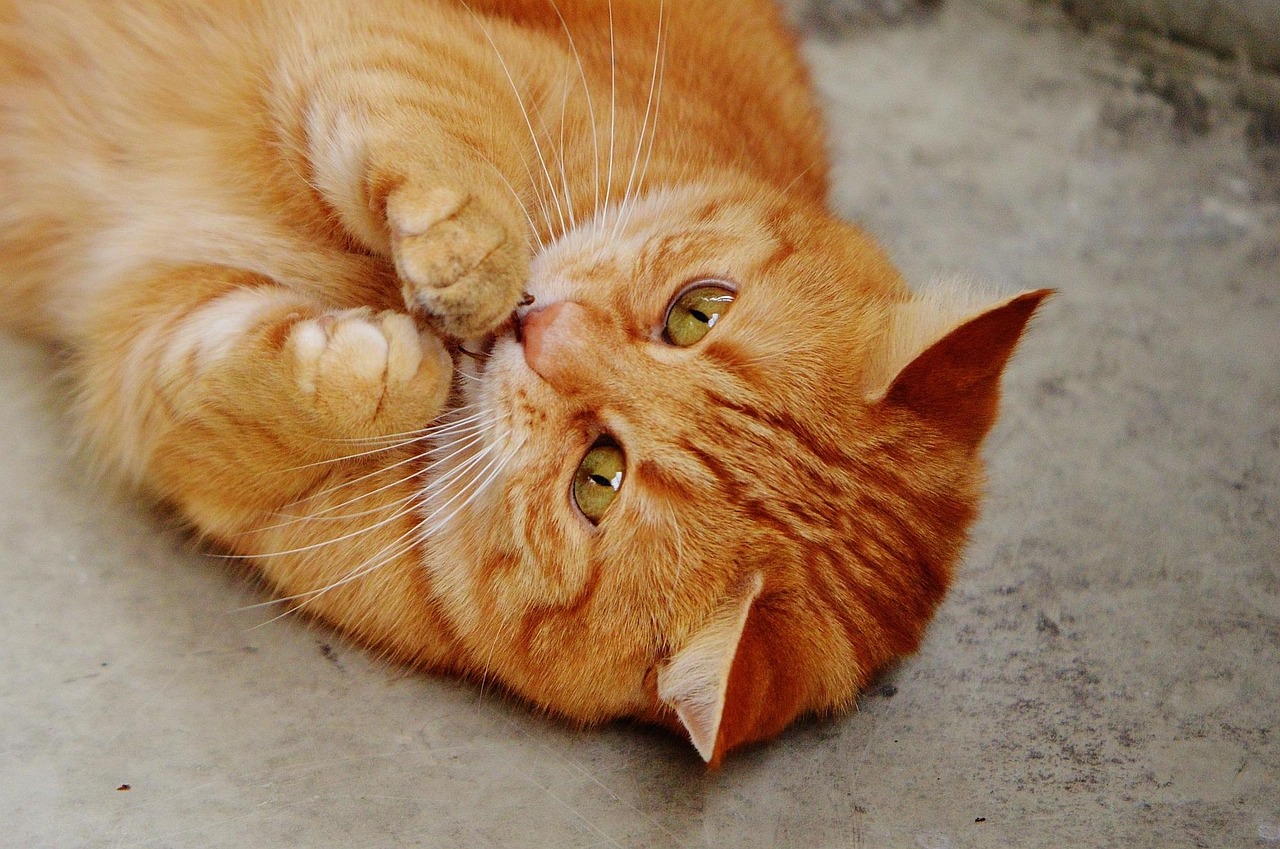
Cat owners should familiarize themselves with different types of play behaviors to effectively engage their pets. It is essential to understand that both solitary and social plays have distinct features, yet both are vital to developing hunting skills. Solitary play often involves a cat chasing or batting at toys independently, honing essential stalking skills without direct interaction. Conversely, social play tends to occur between cats or between a cat and its owner. This type of play can foster bonds and promote camaraderie among household pets while encouraging cooperative behavior. Kittens typically engage in more vigorous play, characterized by pouncing and wrestling, which diminishes slightly as they mature into adulthood. Adult cats may prefer slower-paced, strategic play that still evokes their predatory instincts. Engaging both solitary and social play in a cat’s routine can ensure a balanced approach to their development. By understanding the elemental aspects of play, cat owners can effectively cater to their feline friends’ needs, ensuring a happy, healthy life while honing their instincts through various forms of interaction. Listening to a cat’s communication during play is essential for achieving this balance.
Interactive play, such as using strings or laser pointers, can spark a cat’s interest while providing a level of engagement that is rare in solitary play. This interaction encourages cats to practice their hunting behaviors in a controlled environment. While technology provides various options for play, nothing beats the personal touch of a dedicated owner. Regularly scheduled interaction time between humans and cats nurtures their psychological well-being and solidifies the emotional bond. Not every game is suitable for every cat; knowing preferences and adapting activities accordingly contributes to their playtime experience. To optimize engagement, cats can enjoy a selection of toys that mimic realistic movements—something that emphasizes their predatory nature. It is vital to recognize that the goal of these activities is not solely amusement; instead, they are integral to enhancing a cat’s emotional and mental state. As a result, the act of play transcends mere entertainment, becoming a deeply enriching part of their lives. Responsible owners will strategically plan playtime to maximize these benefits, further reinforcing the significance of play in nurturing hunting skills and overall happiness.
Conclusion: The Vital Link Between Play and Hunting
Understanding the connection between play and hunting is essential for optimizing a cat’s development and happiness. Engaging regularly in play behavior helps cats remain healthy, both physically and mentally, reinforcing their natural instincts. Critically, it’s through this play that they develop essential hunting skills that contribute to their overall well-being and happiness. Cat owners play a pivotal role in ensuring that their feline friends receive adequate stimulation through a rich environment filled with varied play opportunities. To summarize, the importance of play goes beyond recreational value; it is a fundamental aspect of nurturing a cat’s psychology and instincts. Encouraging a diverse range of play behaviors, whether through solo endeavors or interactive sessions, can greatly enhance a cat’s enrichment and emotional stability. As owners actively involve themselves in their cats’ playtime, they foster a deeper bond, ensuring that their pets can express their true selves within the safety of their households. Investing in play isn’t just an indulgence—it is a crucial measure that supports and enhances a cat’s life, ensuring they evolve into well-rounded, healthy, and happy companions.