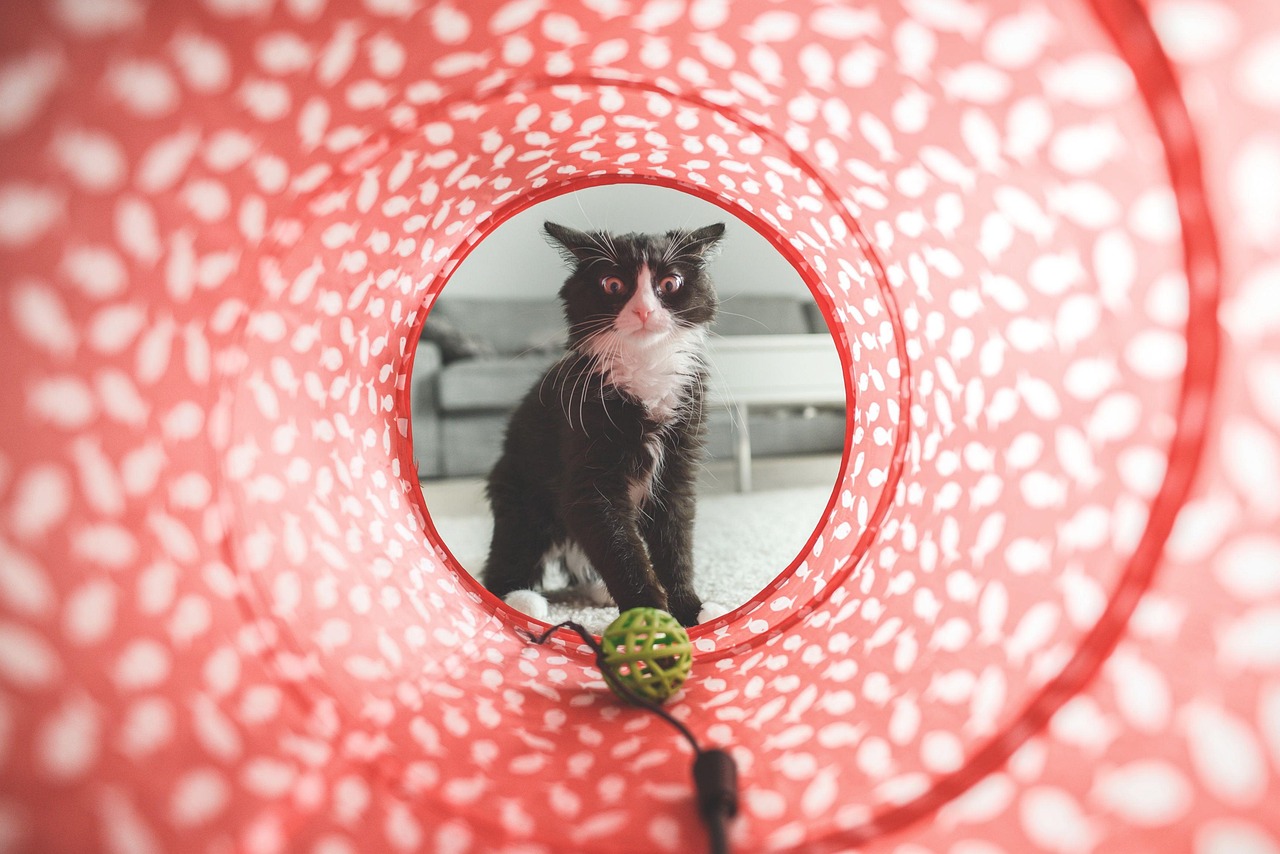

The Role of Play in Preventing Biting Behavior in Cats
Understanding the role of play is essential in training cats to stop biting. Kittens often use their mouths during play, which can lead to unwanted biting behavior. Playtime provides an outlet for a cat’s natural hunting instincts, reducing the likelihood of aggression toward humans. To redirect biting behavior, it is crucial to use appropriate toys rather than fingers or hands. This establishes boundaries and teaches the cat that toys are acceptable for biting, while humans are not. Interactive play sessions help foster positive associations with toys. Engaging in play also provides mental stimulation, which is key in reducing boredom, a common trigger for unwanted behaviors. By utilizing various toys such as feather wands, laser pointers, and puzzle feeders, owners can keep their cats entertained. Short, frequent play sessions throughout the day ensure the cat remains physically and mentally fit. As a bonus, this strengthens the bond between the cat and their owner, ensuring both parties enjoy the activities together. Training will be far more successful when it is integrated into a daily routine of play and praise.
Establishing a safe play environment is crucial for our cat’s well-being and training. When initiating playtime, choose a space that is quiet and free from distractions, allowing your cat to focus on the activity without being startled or disturbed. To create an effective environment, include various toys that stimulate your cat’s hunting instincts, such as soft balls, dangling toys, or even plush mice. In terms of safety, ensure that all toys are free from small parts that could be swallowed. Supervise play consistently to prevent any unwanted incidents, creating a positive experience for the cat. Also, consider rotating toys regularly to keep a stimulating variety and prevent boredom. If your cat starts to bite, promptly react by stopping the play session. This teaching moment reinforces that biting results in the end of fun and attention. Additionally, incorporating positive reinforcement can improve behavior. Limited use of treats and praises during play also encourages non-biting interactions. Over time, these strategies can lead to reduced aggressive behaviors and a happier, healthier cat.
Recognizing the Signs of Overstimulation
Recognizing the signs of overstimulation in cats is crucial for managing playtime effectively. Cats often communicate their discomfort or agitation through body language. Pay attention to cues such as flattened ears, twitching tails, and dilated pupils. These signals usually indicate that the cat is becoming overwhelmed. When you observe these signs, it is essential to end the play session to prevent biting. Leaving the play activity at the right moment encourages positive feelings associated with playtime rather than negative ones. Providing a calm space for the cat to retreat to after play can help them relax and manage their emotions. A cozy bed or quiet corner can offer relief, which can significantly reduce the chances of biting later. Additionally, sticking to a designated playtime routine will enable your cat to understand when it is time to engage and when it is suitable to rest. Following these guidelines allows for a healthy balance between stimulating play and downtime, contributing to overall well-being. The result will be a more satisfied cat and a more harmonious relationship with its owner.
Developing a variety of play techniques is essential in reducing biting behavior in cats. Engaging in different play styles can cater to your cat’s unique personality and preferences. Some cats may enjoy vigorous activities, such as chasing moving toys, while others favor slower-paced interaction with toys they can pounce on. Mixing up these play styles keeps the cat engaged and reduces the likelihood of frustration. Puzzle toys that require the cat to think and strategize are excellent for mental stimulation while also steering clear of aggressive biting habits. Consider using toys that mimic prey movements, as these can stimulate the cat’s natural hunting instincts. This encourages them to focus on the toy rather than their owner’s hands. Another technique is to incorporate training into playtime. Teaching commands or tricks through play not only provides entertainment but also reinforces desirable behaviors. Simple commands, such as ‘sit’ or ‘high five,’ can be combined with treats and praise, creating a positive association with interactive play. The result of varied techniques will lead to reduced biting behavior, allowing for a more peaceful feline-human interaction.
Importance of Consistency in Training
Consistency is vital in any training regimen, including teaching cats not to bite. Establishing rules about what is acceptable behavior during play is essential for a successful outcome. Owners must consistently reinforce the same behaviors. If a cat is discouraged from biting one day but allowed to do so the next, the mixed signals can cause confusion. All family members must be on the same page regarding the rules and language used for training. To support training, create an environment where biting is consistently met with an immediate halt in play and a brief time-out. Sticking to a routine helps the cat understand the expectations. Additionally, varying the intensity and length of play sessions, while maintaining regular schedules, provides structure in their daily life. Employing a specific tone of voice or signal when a cat bites will also enhance understanding during training. When owners are consistent in their efforts, the cat is more likely to internalize these lessons. A cohesive training approach ensures a better relationship and strengthens the bond between owner and cat, leading to a more harmonious household.
The role of interactive play in preventing biting can benefit from the use of toys designed specifically for this training purpose. Investing in high-quality toys can make a significant difference in controlling unwanted behaviors. Interactive toys, like laser pointers and feather wands, encourage cats to engage without targeting their owners. These toys allow cats to unleash their energy in a directed way, ensuring their natural instincts are satisfied and reducing the urge to bite. Furthermore, these toys foster a sense of achievement for cats as they learn to catch or pounce on moving objects. Experimenting with different toy types and observing your cat’s preferences is crucial in determining what works best. As you find toys that capture their interest, keep those on hand for regular play sessions. Owners should also engage with their cats by participating in their playtime, leading to both physical exercise and mental stimulation. Such involvement helps in promoting positive interactions and reducing aggressive behavior. Overall, emphasizing toy play is an effective method to reduce biting incidents in cats while ensuring they remain engaged and happy.
Conclusion: Making Playtime Productive
In conclusion, the importance of play cannot be overstated when it comes to preventing biting behavior in cats. Providing a safe, engaging, and interactive play environment encourages positive social interactions while helping cats channel their energy appropriately. Utilizing various play techniques reinforces the idea that biting is not an acceptable behavior while teaching boundaries in a positive way. Consistent training, coupled with recognition of signs of overstimulation, allows owners to manage play sessions effectively. Toy selection plays a critical role, reinforcing the importance of choosing appropriate items designed for interactive play. By fostering a deeper bond through mutual play enjoyment, both you and your cat benefit significantly. Having a structured routine and committing to regular engagement will only further enhance this relationship over time. Thus, establishing the significance of play is key toward achieving a peaceful coexistence with your feline companion. Remember that patience, persistence, and understanding are fundamental components in addressing biting behaviors while ensuring your cat’s needs are met. With dedication, progress is assured, leading to a more fulfilling life for both you and your cat.