
Tracking Your Dog’s Exercise to Monitor Behavioral Progress
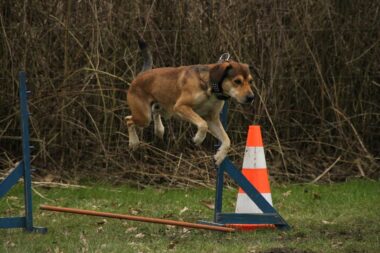
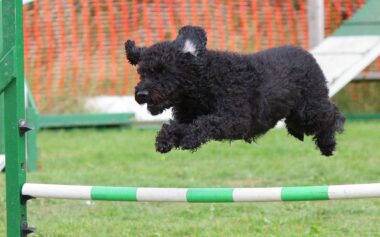
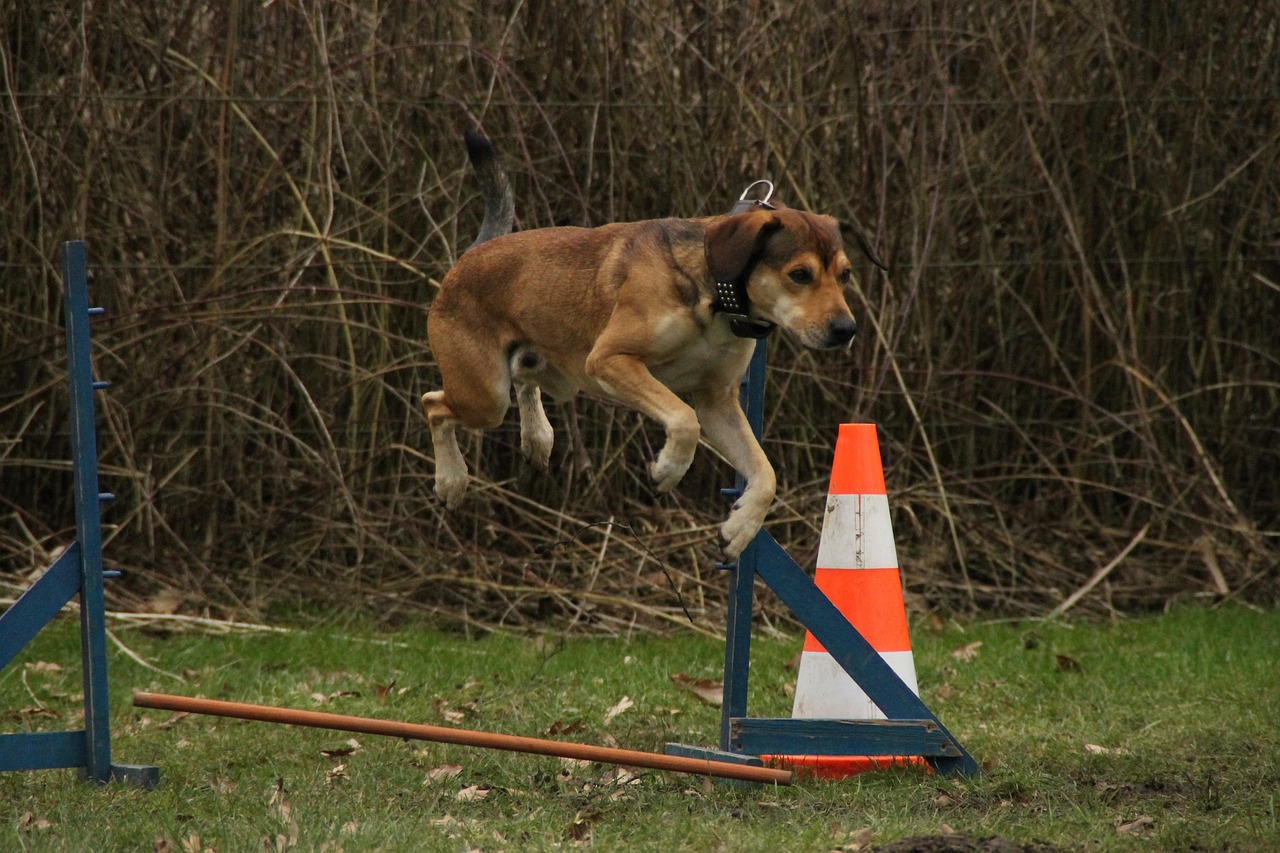
Monitoring your dog’s exercise is crucial for ensuring they maintain good physical health and emotional well-being. Regular exercise positively affects a dog’s behavior, and active dogs generally exhibit fewer behavioral issues. One of the best ways to track your dog’s exercise is by establishing a consistent routine that incorporates daily walks, playtime, and other physical activities tailored for your furry friend. Consider using tools like a fitness tracker designed for dogs, which provides detailed insights into their activity levels and helps identify any significant changes. Engaging in activities like fetching, running, or agility training can enhance both your dog’s health and mental stimulation. Always remember to adjust the intensity and duration of the exercise based on your dog’s age, breed, and health condition. Furthermore, integrating social activities like dog parks can aid socialization, decreasing anxiety or aggression. It allows them to interact with other dogs and people positively. Tracking your dog’s activity level will help you spot trends in behavior that may need attention. You can then adapt their exercise regimen to better support their behavioral and emotional health, positively impacting their overall quality of life.
The Benefits of Regular Exercise
Regular exercise is essential for both your dog’s physical and mental well-being. Dogs require consistent physical activity to fend off obesity and other health-related issues, similar to humans. With enough exercise, dogs can develop healthier joints, muscles, and cardiovascular systems. Moreover, engaging in physical activities helps reduce excess energy, contributing to calmer, more focused behavior around the home. For instance, a well-exercised dog is less likely to engage in destructive behaviors like excessive barking, chewing furniture, or digging. Conducting a balanced exercise routine tailored to your dog’s needs enhances their emotional stability. Physical activities also stimulate the release of endorphins, which elevates your dog’s mood and decreases stress. Try incorporating a mix of aerobic-paced exercises, like jogging or ball fetching, with strength training exercises, such as navigating obstacles or weighted vest walks. Remember to keep the activities fun and distinct, rotating them to keep your dog engaged. By observing the effects of regular exercise on your dog’s behavior, you can make necessary adjustments to their daily activities for optimal health and happiness. Ultimately, a consistent exercise regimen can lead to smoother routines and stronger bonds between you and your beloved dog.
Incorporating a variety of exercises into your dog’s routine can keep things exciting. Each type of activity can impact their behavior differently, so paying attention is essential. For example, hiking can stimulate their senses, allowing them to explore new environments and scents. Meanwhile, playing fetch can increase their physical stamina, leading to a more energized yet satisfied dog. Additionally, mental enrichment activities, like puzzle toys or obedience training, can work wonders for their cognitive health. Regularly incorporating these activities can lead to better focus and calmness in stressful situations. It’s important to tailor these activities according to your dog’s unique personality and physical condition. Some dogs thrive on social interaction through group play, while others might prefer solitary play with you. Keep a detailed log of how much exercise your dog receives weekly, noting any changes in behavior. For instance, increased barking may indicate unmet exercise needs, while decreased playfulness can signal fatigue or stress. By documenting these patterns, you can better understand your dog’s needs and adjust their activity levels accordingly, fostering both their behavioral progress and emotional stability over time.
In addition to tracking physical activity, monitoring your dog’s body language during exercise is crucial. Dogs communicate their feelings and state of mind through various signals, and being aware of them can enhance your training strategies. Understanding when they are enjoying themselves or becoming overwhelmed can help you tailor activities to suit their tolerance limits. Keep an eye out for signs like wagging tails, play bows, or relaxed postures, which typically indicate a dog is happy and engaged. Conversely, look for signals such as tucked tails, avoiding eye contact, or excessive panting, which may suggest stress or fatigue. Adjusting the exercise intensity based on these cues is vital for promoting positive experiences. Regularly involving your dog in varying activities helps prevent boredom and aids in behavioral monitoring. Behavioral changes can occur due to shifts in their physical condition or mental state. For example, a previously active dog may withdraw from play if they are not feeling well. Early detection of potential issues can lead you to seek appropriate veterinary advice, which is crucial for ensuring your dog remains happy, healthy, and well-exercised in both body and mind.
Utilizing Technology for Tracking
Technology can significantly enhance how you track your dog’s exercise and monitor their behavior. Various apps and devices are available to help pet owners gather data regarding their dogs’ physical activity. Wearable devices, such as fitness collars or GPS trackers, can provide insight into your dog’s daily steps, distance traveled, and even calorie burn. This information helps you identify trends in their behavior, allowing you to adapt their exercise routine as needed. Additionally, some apps offer reminders for walks, training sessions, and vet appointments, keeping you organized. By accessing historical data, you can compare different periods to see how exercise impacts behavior and overall mood. Integrating technology with regular vet visits enhances the tracking process. Vets can assist in interpreting data, suggesting changes in exercise to improve overall health. Furthermore, consider sharing your technological findings with fellow dog owners. Engaging in discussions about best practices may lead to discovering new activities or solutions to potential behavioral concerns. By harnessing technology for tracking your dog’s exercise, you empower yourself to make well-informed decisions that can significantly improve your dog’s behavioral health.
Your dog’s diet plays a significant role in their behavior, and balancing nutrition with exercise is essential for optimal health. Understanding the connection between what they eat and how they act is crucial. A well-balanced diet rich in proteins, fats, and fibers ensures that your dog has the energy needed for both mental and physical activities. Maintaining a proper feeding schedule also impacts their behavior. Ensure you provide regular meals at consistent times to establish a reliable routine. Regular feeding helps manage their energy levels and prevents them from becoming hyperactive or lethargic due to fluctuations in their nutritional intake. Adjustments to your dog’s diet may also be necessary based on their exercise levels – active dogs may require more calories than others. Also, pay attention to food sensitivities and dietary preferences, as changes in their diet can lead to behavioral issues. Monitoring digestive health can help maintain the balance between energy levels and activity. In this way, assessing diet alongside exercise not only helps in tracking behavioral health but also ensures that your dog gets the best nutrition possible, contributing to overall well-being.
Conclusion
In conclusion, tracking your dog’s exercise plays a vital role in monitoring their behavioral health. By establishing a structured exercise routine that meets their needs, you can witness positive changes in your dog’s behavior. Utilizing technology, combined with observing their physical activity and adjusting diets, offers a comprehensive approach toward enhancing your dog’s quality of life. Keeping a diary on your dog’s daily activities will reveal patterns and help pinpoint any underlying behavioral changes, allowing you to take necessary actions timely. Ensure to engage with your dog in diverse activities that range from walking, playing fetch, to participating in dog sports. No matter how you go about it, the importance of maintaining an active lifestyle cannot be understated. A well-exercised dog is generally happier, more socially adjusted, and better behaved, which makes for a blissful atmosphere at home. By combining these exercise routines with attentive observation and responsiveness to their needs, you set them up for a lifetime of joy and companionship that truly enriches both their lives and yours.
Ultimately, you and your dog share a special bond built on trust, love, and cooperation, and tracking their exercise is an enriching way to foster that connection. Engage in activities together that allow you to enjoy each other’s company while simultaneously addressing their health needs makes the process enjoyable. Investing time in understanding their behaviors in relation to their exercise habits will help create a tailored approach that aligns with their personality and lifestyle. Dogs thrive on routine and structure, so establishing these foundations serves as a guide for their emotional and physical well-being. As you carefully track your dog’s exercise, remember that positive reinforcement and effective training techniques play critical roles in shaping their behavior. By praising your dog for their accomplishments, whether big or small, you reinforce positive behaviors that encourage good conduct. Remember, your devotion to tracking exercises shows your commitment to their happiness, leading to a more fulfilling relationship. Ultimately, you play an essential role in ensuring your dog’s health and happiness. Together, you and your furry companion can embark on a journey that benefits both physical and emotional growth, strengthening your lifelong friendship every step of the way.