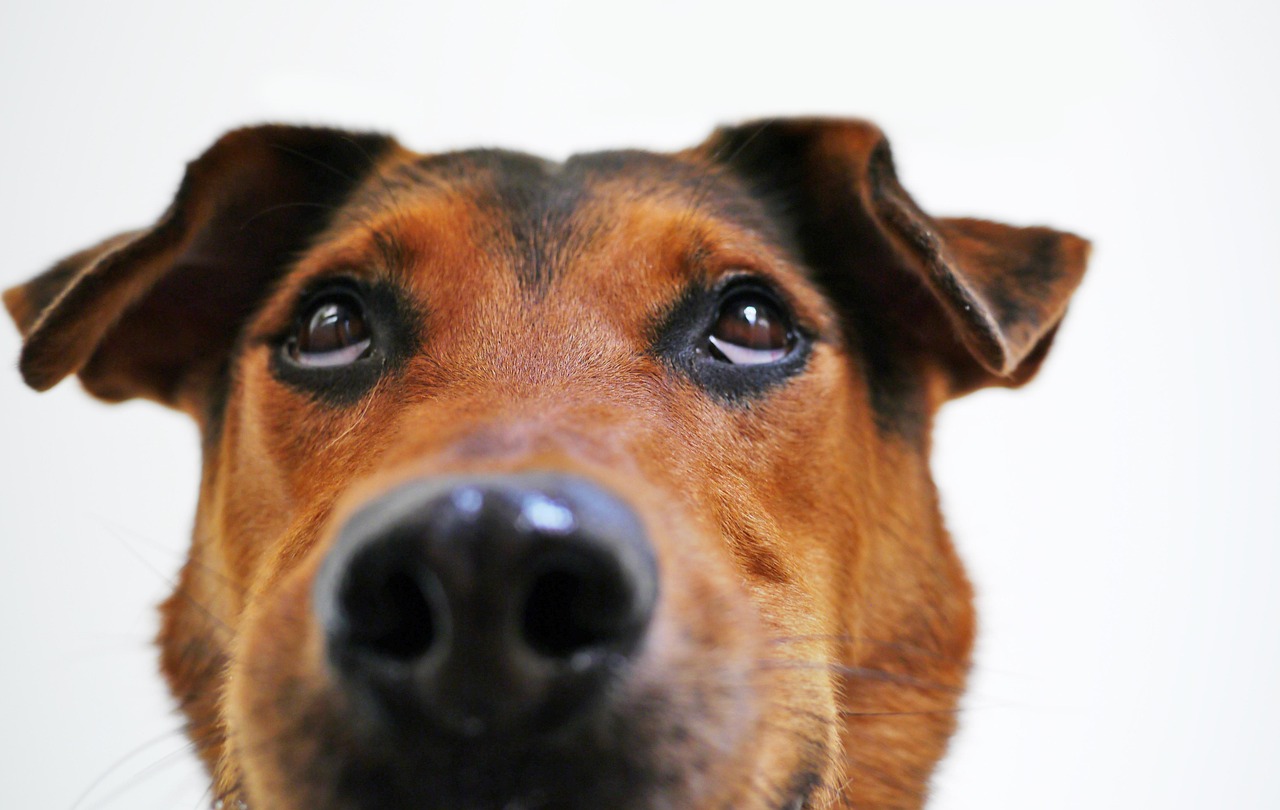

Training Your Dog to Show Positive Facial Expressions
Understanding your dog’s facial expressions is crucial for fostering better communication between you and your furry friend. Dogs express their emotions through various facial cues such as ear positioning, eye contact, and mouth movements. Training your dog to show positive facial expressions can improve your relationship significantly. Start by observing your dog’s natural expressions and behaviors, as these provide insight into their emotional state. Look for signs of happiness, such as relaxed ears, bright eyes, and a gently wagging tail. By recognizing these signals, you can better connect with your dog. Use positive reinforcement techniques like treats and praise when your dog displays the desired expressions. Consistent practice is essential; engage in training sessions where your dog gradually learns what positive facial expressions look like. Encourage interactions that naturally elicit these reactions, such as playtime or gentle petting. Building this awareness will deepen your bond and enrich your experiences together. Incorporating games that inspire happiness can also solidify these behaviors. Ultimately, communication through positive facial expressions enhances trust and understanding in your daily life.
Facial expressions are not merely involuntary reactions in dogs; they are crucial indicators of their emotional and psychological states. Recognizing these signals is vital for effective training. One method for encouraging more expressive behaviors involves social reinforcement. Whenever your dog exhibits a happy demeanor, like playfulness or excitement, ensure you acknowledge those moments. You can reinforce this behavior through vocal praise, affection, or treats. Over time, your dog will associate these expressions with positive reinforcement, promoting more frequent occurrences. Additionally, it’s essential to create a relaxed environment when training. Use calming tones and gentle movements to instill a sense of comfort. A stressed dog may not exhibit genuine expressions, hindering their training progress. Another effective technique is mirroring your facial expressions. Dogs are highly attuned to human emotions, so smiling or expressing happiness can inspire similar responses in them. Perform these exercises consistently; gradually your dog will discover the joy of showing positive expressions. Moreover, occasionally incorporate commands that evoke these expressions, such as ‘smile’ or ‘happy.’ This practice strengthens the understanding between you and your pet, fostering a deeper connection.
The Importance of Consistency in Training
Consistency is a cornerstone of successful dog training, especially when it comes to encouraging positive facial expressions. Establishing regular training routines helps create an expectation for learning, allowing your dog to become accustomed to the process. During these sessions, use the same commands and techniques, ensuring that everyone involved in your dog’s training adheres to the same standards. Mixed messages can confuse your pet, making it harder for them to grasp the desired behaviors. Always reward positive expressions immediately, as this timing helps solidify the action in their memory. Utilize a variety of environments to reinforce this learning; for example, practice in both familiar places and new locations. Changing settings helps generalize the behaviors, making it easier for your dog to express happiness in different contexts. This way, training goes beyond mere home practice, enhancing your dog’s adaptability. Additionally, it is helpful to observe your dog’s reactions over time. Take note of what triggers positive expressions and reinforce those occurrences promptly. This diligence over time will help establish strong associations between positive feelings and their expressions, making your training efforts more effective and enjoyable.
Additionally, building emotional resilience in your dog is necessary for encouraging positive facial expressions. Understanding that negative emotions can impact your dog’s demeanor is crucial for effective training. Stress or fear can inhibit a dog from showcasing their natural happiness. Engage in activities that promote confidence, such as obedience training, agility exercises, or even simple trick training. These exercises not only stimulate your dog’s mind but also boost their self-esteem, contributing to their overall well-being. Furthermore, exposing your dog to various environments, people, and other animals allows them to adapt and be more comfortable in new situations. When your dog feels secure, they will be more likely to exhibit positive facial expressions. Regular socialization is also vital for fostering security and comfort, allowing your dog to develop trust in their surroundings. This means carefully introducing them to new experiences at a pace suited for their temperament. Building this foundation of trust and confidence ultimately leads to a happy and expressive dog, ready to engage enthusiastically with you and the world around them.
Engaging Activities to Promote Positive Expressions
Engaging in enjoyable activities with your dog can naturally promote positive facial expressions. Interactive games like fetch or tug-of-war not only stimulate your dog’s physical prowess but also elicit joyful reactions. Such activities create a bond between you and your dog, leading to spontaneous expressions of happiness. Incorporate regular playtime into your routine, ensuring your dog has enough exercise to maintain high energy levels. Mental stimulation is equally vital; consider puzzle toys or training games that challenge your dog’s cognitive abilities. Activities that require them to think often lead to expressions of excitement and joy as they accomplish tasks or overcome challenges. Another fun way to promote positive expressions is through exploring new places together. Go for walks in parks or nature trails that provide fresh stimuli and interesting sights. These experiences can encourage happiness and excitement, leading to genuine smiles from your dog. Energetic outings allow your dog to take in different scents and sights while promoting their physical fitness. This holistic approach to training is beneficial for improving your dog’s overall mental and emotional state.
Moreover, understanding the connection between health and behavior is crucial in training your dog to show positive facial expressions. A dog’s physical health directly affects their mood and overall demeanor. Regular vet check-ups are essential for identifying any health issues that may impact behavior. Pain or discomfort can inhibit your dog from expressing happiness or contentment. Ensuring your dog receives a balanced diet contributes significantly to their emotional well-being. Nutrition plays a vital role in maintaining energy levels. Additionally, be vigilant about monitoring your dog’s weight; excessive weight gain can lead to lethargy or discomfort, resulting in reduced expressions of joy. Furthermore, exercise routines tailored to your dog’s needs significantly influence their mood and behavior. Regular physical activity helps release pent-up energy, allowing for happier interactions. Moreover, make sure your dog gets enough rest. Adequate sleep is essential for optimal physical and emotional health. A well-rested dog is more likely to exhibit cheerful expressions. By prioritizing both health and training, you can significantly enhance your dog’s ability to show positive facial expressions in their daily interactions.
Conclusion: Building a Lasting Connection
In conclusion, training your dog to show positive facial expressions involves a combination of consistent practices and a nurturing environment. By understanding your dog’s emotional cues, engaging in enjoyable activities, and promoting their overall health, you are establishing a strong foundation for your relationship. Positive reinforcement is particularly crucial; rewarding your dog when they display happy expressions encourages them to repeat those behaviors. Always maintain a committed training routine, ensuring clarity and consistency in your commands. Additionally, recognize the importance of emotional welfare for your dog. Engage in activities that boost their confidence and offer diverse experiences that aid familiarization in new environments. Through these efforts, you foster trust and understanding, which are key elements for effective communication. Always remember to observe your dog’s emotions regularly and adjust the training methods accordingly. This attention will truly enhance the bond you share with your furry friend, resulting in a deeper relationship built on mutual respect and understanding. By approaching this training with patience and love, you can cultivate an undeniably positive atmosphere where positive dog facial expressions thrive.
Showcasing affectionate expressions inhabits the emotional landscape.