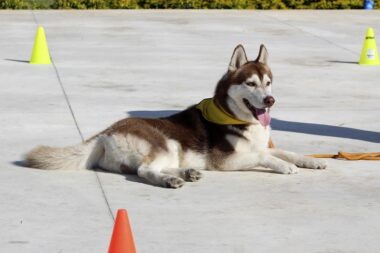

Training Your Puppy to Minimize Barking from the Start
Training your puppy to reduce excessive barking begins at an early age. Understanding the reasons behind barking is vital. Puppies bark to communicate their needs, express excitement, or as a response to environmental stimuli. Start by observing your puppy’s behavior and barking triggers. Identifying the underlying cause of their barking is crucial in addressing the problem effectively. Frequent distractions or boredom can lead to unnecessary barking. Implementing a consistent training regimen can significantly help. Regular exercise is essential. Taking your puppy for daily walks helps reduce pent-up energy, thereby decreasing barking. You might also consider engaging them with toys to keep them mentally stimulated. Praise patience and reward your puppy when they remain quiet. Positive reinforcement can encourage the desired behaviors. Use calm, firm commands when your puppy barks excessively; this helps convey that barking at those moments isn’t appropriate. Avoid yelling; it could escalate the barking or confuse your puppy. Instead, remain patient and consistent in your approach to training. Eventually, your puppy will learn to minimize unnecessary barking as a result of your guidance and constructive reinforcement.
Understanding the Causes of Barking
Barking, as a natural behavior for dogs, manifests due to various reasons. To effectively train your puppy, it’s essential to understand these different causes. Barking can be a reaction to boredom or loneliness; puppies left alone often bark to express discomfort. Another common trigger is excitement, especially during playtime or when greeting visitors. Fearful barking occurs when puppies perceive something as threatening, such as loud noises or unfamiliar environments. This type of barking often decreases with proper socialization. To mitigate these causes, expose your puppy to various situations and environments early on. Socialize them with other dogs and people to reduce fearfulness. Desensitization techniques can also help; for instance, if your puppy barks at loud noises, gradually play recordings of those sounds at low volumes to help them adjust. Remember, barking also communicates attention-seeking. Thus, ensuring your puppy receives enough physical interaction will lessen this behavior. Lastly, separation anxiety can be a significant cause of barking; consider crate training to promote a comfortable, secure space for your puppy. Addressing these underlying factors is key to minimizing barking in the long run.
Establishing a routine is another effective strategy in minimizing your puppy’s barking. Dogs thrive on consistency, and a well-structured routine can help manage their expectations and behaviors. Set specific times for feeding, exercise, and play, as these activities can help reduce anxiety and prevent boredom. When you find your puppy barking, address the behavior immediately. Use a command like “quiet” to signal them to stop barking. When they do stop, even briefly, reward them with a treat or praise. This reinforces the idea that being quiet brings positive outcomes. Consistent training sessions should last about five to ten minutes to maintain your puppy’s attention. Repeating commands and cues during play or training helps them associate the words with the actions they should take. Gradually increase the challenges, combining distractions with commands to test their learning. Patience is essential; some puppies may take longer than others to grasp the concept. Regular reinforcement and acknowledgment of progress can significantly enhance your training efforts. Remember, training puppies requires love and understanding. Celebrate each small victory in their learning process with encouragement and a positive attitude.
Positive Reinforcement Techniques
Positive reinforcement forms the cornerstone of successful puppy training. This technique emphasizes rewarding desired behaviors rather than punishing unwanted ones. It’s crucial for training techniques, especially when addressing barking. When your puppy barks correctly only in appropriate situations, such as warning you about someone approaching the house, acknowledge their behavior immediately. Use treats or praise as rewards. Over time, your puppy will learn the situations in which barking is acceptable and those in which it is not. To minimize excessive barking, consider clicker training as an exciting positive reinforcement method. This technique involves associating a click sound with a treat, creating a clear communication signal for your puppy. Click the device each time your puppy remains quiet, followed by rewarding them. This consistency helps your puppy understand your expectations regarding their behavior. Gradually phase out rewards once they learn to control their barking. It’s essential to maintain a calm, positive demeanor throughout the training process. Frustration can negatively impact your dog’s learning. Patience and kindness will lead to long-term results as your puppy develops better behavioral habits.
Providing sufficient mental and physical stimulation is key to minimizing barking in your puppy. A bored puppy is more likely to engage in excessive barking as a way to entertain themselves. Introducing interactive toys can keep your puppy engaged for longer periods and alleviate their barking tendencies. Puzzle toys that require your puppy to solve problems to receive treats are excellent for promoting focus and reducing boredom. Dedicate time to play and interactive games; activities like fetch or hide-and-seek can help burn off excess energy effectively. Rotate toys frequently to maintain your puppy’s interest and excitement. Offering structured training sessions during playtime fosters stimulation and reinforces behavioral teachings. Engaging your puppy in basic obedience drills can also build a bond and channel their energy constructively. Incorporate variety in walks, allowing new scents and routes to explore. Adventure can include visits to parks with other dogs, providing additional social interaction. In essence, ensuring that your puppy has ample challenges both mentally and physically is essential in reducing unnecessary barking. An active, stimulated dog will be less inclined to bark from boredom or frustration.
Addressing Behavioral Issues
When excessive barking becomes an issue, addressing behavioral concerns early is crucial to successful training. After identifying barking triggers, develop strategies tailored to your puppy’s specific needs. Leash training is an excellent method for maintaining control over their environment and preventing unwanted barking at distractions during walks. A well-fitted harness can help keep your puppy secure while allowing for freedom of movement. Gradually introduce your puppy to situations that usually provoke barking. Start from a distance, rewarding your puppy for staying calm and quiet. Gradually decrease the distance and increase stimuli until your puppy can handle the trigger without barking. Consistent exposure builds their confidence and understanding of acceptable behavior. Consider engaging a professional dog trainer specializing in positive reinforcement if barking persists despite your training efforts. Expert guidance may offer new insights and techniques specifically suitable for your puppy. Remember, each dog is unique, and some may require different approaches than others. Be diligent in monitoring progress and remain adaptable in your methods. Effective training takes time, but with patience, you’ll see significant improvement over time.
Lastly, always remember that minimizing excessive barking is a journey, not an instant fix. Consistency, dedication, and care play vital roles in your puppy’s barking training process. Throughout this journey, documenting your puppy’s progress can be beneficial. If you identify patterns or improvements, noting these details can help you maintain motivation and provide feedback for any professional trainers you may consult. Share your experiences with friends or family; they may offer additional advice or support. Joining dog training communities online can also grant invaluable resources in your training efforts. Engaging with others who face similar challenges provides encouragement and insights. As your puppy learns to manage their barking better, celebrate those wins together! Create a happy, positive atmosphere around their learning experience, reinforcing the bond between you and your puppy. Always approach training with empathy; misunderstandings between humans and dogs can arise due to communication barriers. Conduct training sessions in a calm environment to minimize distractions. Eventually, their barking should become more controlled and appropriate. Your patience combined with structured techniques will lead your puppy to become a well-adjusted member of your household.
Conclusion
In conclusion, effective training to minimize barking in your puppy involves understanding triggers, implementing routines, providing positive reinforcement, and ensuring adequate stimulation. Creating a strong bond of trust and communication will foster a more peaceful home environment and strengthen your relationship. Avoid harsh training methods, building a trusting relationship keeps your puppy confident when learning and adapting to your expectations. Engaging your puppy through fun activities ensures they have many positive experiences, making training enjoyable for both of you. Patience is key; changes won’t happen overnight, so protect your puppy’s spirit throughout the learning process. Focus on gradual improvements rather than quick fixes, as success in training takes time. Persisting through challenges equips your puppy to be adaptable and cooperative. Embrace each step forward as part of their learning journey. Remember that barking is a natural dog behavior, and your goal should not necessarily be total silence, but rather a more controlled barking that fits the situation. As your puppy matures, continue to reinforce the lessons learned and adjust training methods as needed. With diligence and compassion, your puppy can grow into a well-behaved and happy companion.