
Best Practices for Introducing Clicker Training to Your Dog
Introducing clicker training to your dog can be an exciting journey that strengthens the bond between you and your furry friend. First, it is essential to choose the right clicker; one that feels comfortable and produces a clear sound. Start by associating the sound of the clicker with something positive, like treats or praise. For instance, click the device and immediately follow it with a reward. This will help your dog understand that the click signifies a job well done. Repetition is key; practice this step several times until your dog anticipates the reward upon hearing the click. Once your dog understands this connection, you can begin using the clicker for basic commands, such as “sit” or “stay.” Use the clicker each time your dog performs the desired action, ensuring they receive a reward shortly after the click. This helps them learn what behavior is being reinforced. With patience and practice, your dog will start responding to the clicker as a positive cue, paving the way for more advanced training. Remember to keep training sessions short and fun to maintain engagement and interest.
The Benefits of Clicker Training
Clicker training offers numerous advantages over traditional training methods. Notably, it provides clear and immediate feedback to your dog, allowing them to understand what behavior is being rewarded. Because of this clarity, dogs often learn faster and retain learned behaviors longer. Additionally, clicker training promotes a positive experience for both you and your pup, fostering a deeper bond and increasing trust. Unlike corrections used in other methods, clicker training focuses on rewarding desirable behaviors instead of punishing mistakes. This encourages your dog to experiment with different actions, leading to a more confident pet. Besides, it can be utilized effectively for a range of behaviors, from basic commands to tricks and even addressing behavioral issues. Furthermore, clicker training is suitable for all dog breeds, ages, and temperaments. The clicker serves as a consistent marker, making it easier for different trainers or family members to be on the same page during training. Ultimately, the benefits of clicker training can lead to a well-behaved dog, making everyday life more enjoyable. Consider integrating clicker training into your dog’s routine to see its many benefits firsthand.
In order to effectively use clicker training, timing is paramount. When your dog performs a desired behavior, ensure you click the clicker immediately, followed by a reward. This immediate reinforcement allows your dog to make the connection between the click and their action. If there’s a delay in clicking, your dog may become confused about what behavior is being rewarded. To refine your timing, practice clicking on command or during natural moments when your dog is behaving well. Keep the clicker nearby, so it is easily accessible during training sessions. Remember to maintain consistency throughout your training regimen. Use the same clicker for every training session to avoid confusing your dog with varying sound cues. Furthermore, practice in different environments to help your dog generalize the behavior being taught. Start initial sessions in a quiet space, gradually moving to more distracting locations. As your dog’s skills improve, introduce new commands, and challenges, adapting to their learning style. Overall, fine-tuning your timing and ensuring consistency will enhance the effectiveness of your clicker training.
Setting Training Goals
Establishing clear training goals is crucial to effectively utilizing clicker training. Begin by identifying specific behaviors or commands that you want your dog to learn. For instance, you may focus on potty training, basic commands such as “sit” and “stay,” or tricks like “roll over.” By setting goals, you can tailor your training sessions to focus on these desired outcomes. Also, break down complex behaviors into smaller, manageable steps. This gradual approach allows your dog to feel successful, boosting their confidence as they master each step. Keep in mind that training should be a fun and engaging experience for both you and your dog. Use a variety of rewards to keep your dog motivated. Alternating between treats, toys, and enthusiastic praise can help maintain their interest and enthusiasm. Always celebrate small accomplishments throughout the training process, reinforcing positive behaviors. Lastly, adjust goals as necessary based on your dog’s progress. Every dog learns at their own pace, so be patient and flexible with your training objectives to ensure a successful clicker training experience.
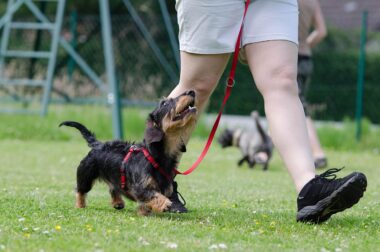
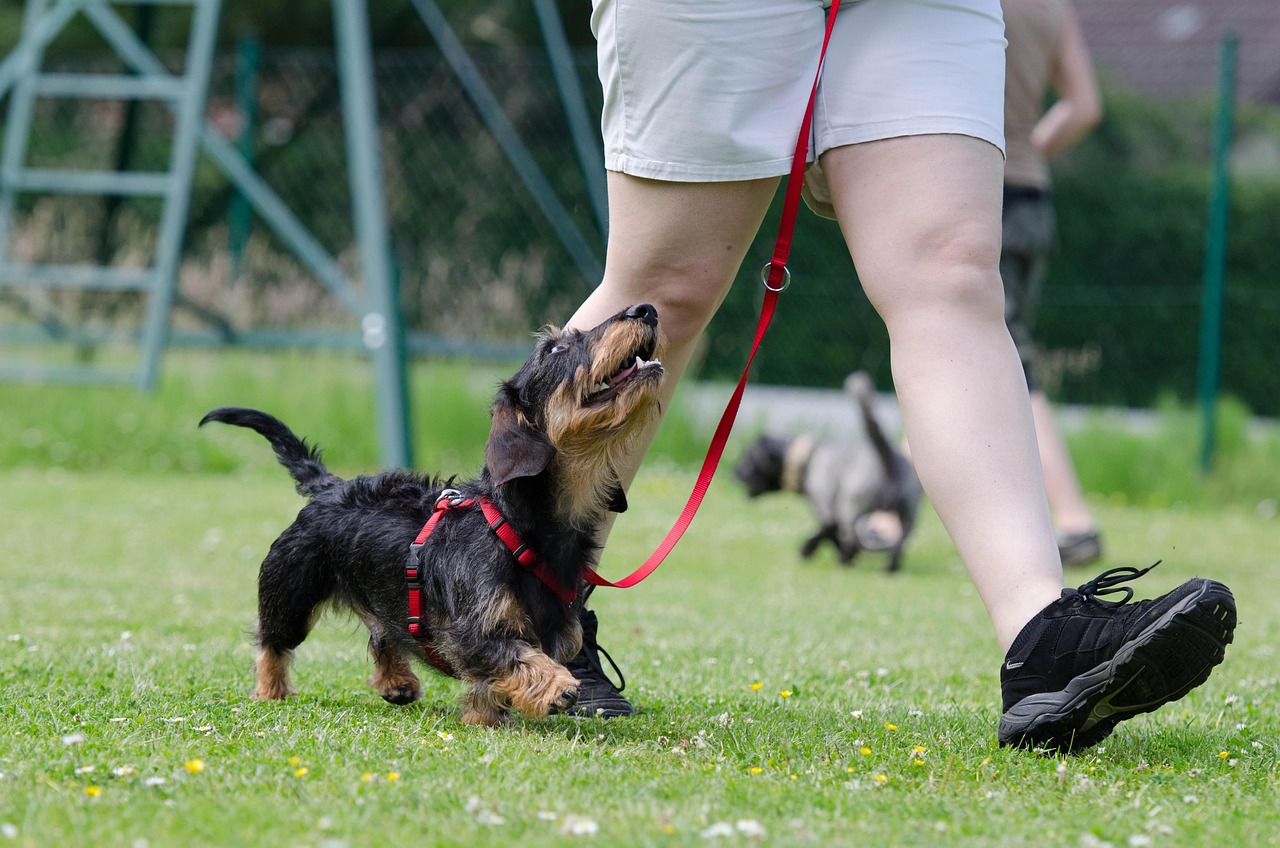
Another essential aspect of clicker training is the environment in which you conduct sessions. Begin in a quiet, distraction-free space to help your dog focus solely on the training. As your dog becomes more confident and understands the clicker, gradually introduce distractions. This approach prepares your dog for real-world situations where distractions may arise. You can practice training in various locations, such as parks or busy areas, to help them generalize the learned commands. Additionally, while training outdoors, use a long leash to maintain control while providing your dog with some freedom to roam. However, ensure that the environment remains safe and suitable for training. Choose times when your dog is neither overly energetic nor fatigued to facilitate an effective learning session. Monitor your dog’s behavior during training and adapt as needed to avoid frustration. If your dog seems overwhelmed, revert to a quieter environment or brief training sessions. Over time, your dog will learn to respond to the clicker even amidst distractions and will become a well-trained companion.
Maintaining Engagement During Training
Keeping your dog engaged during clicker training sessions is vital to the overall effectiveness of the training. Start sessions with activities your dog enjoys, as this makes the experience enjoyable. It’s beneficial to vary training routines; if your dog gets bored with a single command, switch things up to keep their interest piqued. Incorporate games or challenges that allow your dog to utilize their skills while having fun. For instance, hide-and-seek with treats or toys can help reinforce commands while being entertaining. Consequently, maintain a positive training atmosphere filled with encouragement and praise. This cultivates a willingness in your dog to participate actively. Keep training sessions short and frequent, ideally lasting no more than five to fifteen minutes at a time. This will prevent fatigue or loss of interest during training. After around five minutes, consider providing a break or playtime as a reward. Frequent, shorter training sessions can be more effective than longer, infrequent ones. As a result, both you and your dog will experience the satisfaction of progress and continued enthusiasm.
As you progress with clicker training, it is essential to gradually phase out the reliance on treats. While rewarding with treats is important initially, it is crucial to ensure that your dog does not expect a treat every time they perform a command. Transition from consistent treats to intermittent rewards to maintain motivation while teaching them the behavior itself. This method creates uncertainty that keeps your dog engaged, as they will still work for the click, not solely treats. Be sure to continue clicking for every correct behavior, as this keeps the connection alive. You can also implement praise and affection as rewards, supplementing or replacing treats. The goal is to encourage your dog to perform behaviors without always expecting a food reward. By varying the rewards, you can keep your dog motivated and eager to learn. However, gradually reduce food rewards based on your dog’s proficiency with the behavior and their understanding. With time and patience, your dog will become more confident in performing commands, leading to a successful clicker training experience.
In conclusion, clicker training can be an incredibly effective method for teaching your dog desired behaviors while offering a fun and engaging experience. Remember to focus on clear communication, consistent timing, and positive reinforcement to pave the way for successful training. Set achievable goals and regularly assess your dog’s progress, allowing for flexibility as needed. As your dog learns and begins to generalize commands in different environments, you’ll witness the fruits of your labor. Moreover, maintaining engagement during training sessions is crucial for retaining your dog’s interest and eagerness to participate. By incorporating varied exercises and rewarding efforts, you facilitate an enjoyable training atmosphere. Ultimately, your commitment and dedication will result in a confident, well-trained companion. Additionally, the personal bond formed during training sessions can lead to a loving relationship that extends beyond commands. Despite challenges that may arise during training, patience and perseverance are essential for success. Consider clicker training as an entertaining alternative, and embrace the joy of training your dog. With practice, both you and your dog will thrive in this rewarding journey of learning.