
Common Mistakes to Avoid in Cat Photography Compared to Pet Photography
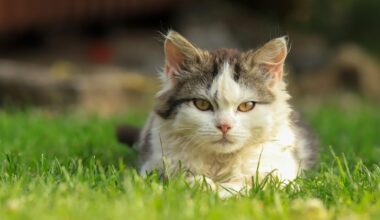
When it comes to cat photography, neglecting the unique behaviors of felines is a significant mistake many pet photographers make. Cats are independent and often display their personality differently than dogs or other pets. To capture the essence of a cat, understanding its body language and mood is essential. Always prepare yourself by considering your cat’s attitude to create better photographs. Avoid forcing your cat into poses that feel unnatural for them, leading to stress and poor-quality images. Aim for a relaxed environment where they feel safe and comfortable. One effective way to entice them to behave naturally is to use toys or treats. This approach helps them settle into their surroundings, allowing you to get candid shots without disturbing their behavior. Lighting is also critical; use natural light wherever possible. Bright sunlight can lead to harsh shadows, so opt for softer light settings or try shooting during golden hours. By respecting their unique characteristics and providing a peaceful atmosphere, your cat photography can showcase their personality dynamically and engagingly.
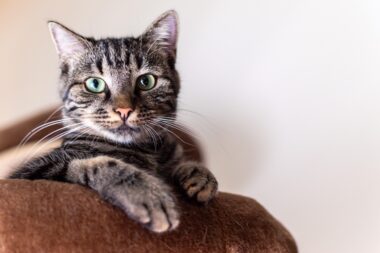
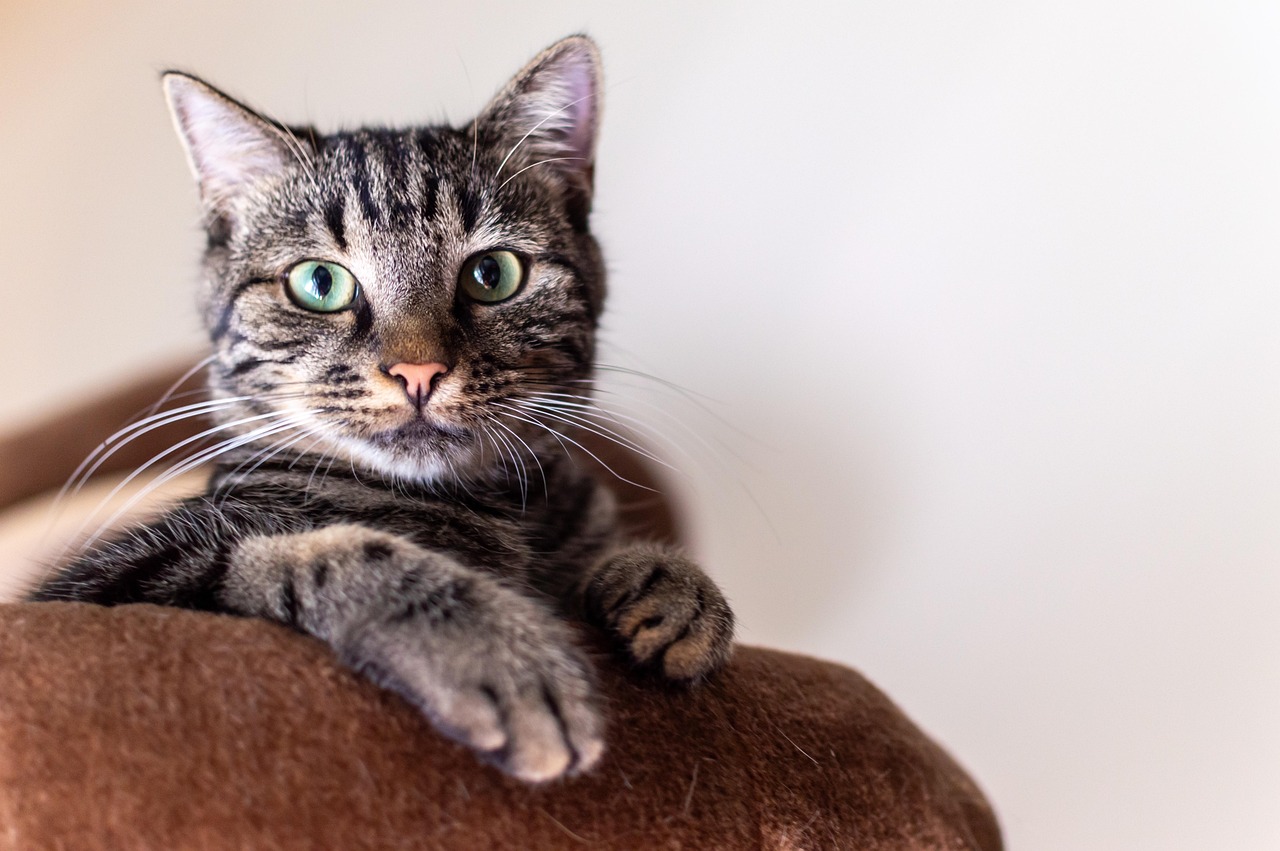
Another common mistake is failing to pay attention to the composition when photographing cats. Unlike dogs, who may eagerly respond to your commands and pose, cats tend to be more elusive and spontaneous. To capture their behavior effectively, learn about basic photographic composition techniques. Use the rule of thirds as a guide, positioning your cat off-center in the frame for a more captivating shot. Be patient and wait for the right moment, keeping your camera ready at all times. Also, consider the background of your shot; cluttered environments can distract from the cat’s beauty, while simpler backgrounds can enhance the overall image. Utilize depth of field to blur the background, drawing more focus to your subject. Another tip is to shoot at their eye level, as this can create a more intimate and engaging perspective. A slightly lower angle makes the photograph more relatable and appealing. Additionally, keep an eye out for interesting settings that reflect your cat’s personality. This attention to detail in composition can elevate your shots from average to remarkable, showcasing the unique character of your feline friend.
When photographing cats, equipment selection can make a significant difference in the outcome. Many photographers mistakenly think that expensive gear guarantees stunning results. However, understanding the basics of your camera, regardless of its price, is more important than having the latest model. Consider using a lens with a wider aperture for softer backgrounds that bring your cat into sharper focus. The key is to take your time to familiarize yourself with your equipment and its settings. In most cases, a DSLR or quality mirrorless camera will deliver excellent results. However, good photographs can still be achieved with smartphones, especially when coupled with the right lighting and angles. Remember also to adjust your camera settings for optimal shutter speed, especially if your cat is moving around. A higher shutter speed will help prevent motion blur, capturing more of their playful antics. Also, don’t forget to explore various focal lengths and perspectives to discover unique takes on your cat’s behavior. Equipped with the right mindset and knowledge, you can produce stunning images that highlight their individual charm.
Common Techniques for Better Cat Photography
Many photographers overlook the importance of patience when capturing beautiful cat photos. Unlike other pets that may respond quickly, cats often choose when they want to engage or be photographed. Spending time simply observing your cat allows you to anticipate moments worth capturing, creating more authentic images. Sometimes, this might require sitting quietly and waiting for them to showcase their personality. You may also find that okaying your cat’s natural instincts can lead to some of the best photographs. For example, capturing them in mid-pounce or during playful moments can result in dynamic images that showcase their agility. Don’t hesitate to photograph them while they explore their environment, as genuine curiosity often leads to interesting angles and expressions. Experimenting with different timings enhances your chance of getting those portfolio-worthy shots. Furthermore, showing restraint by letting your cat approach you rather than chasing after them yields better results. By demonstrating that you understand their space and behavior, you’ll be more successful in capturing stunning moments of your cat’s life.
Another common mistake in cat photography is failing to edit your images adequately after the shoot. While taking the perfect shot is essential, post-processing can significantly enhance your photos. Neglecting this step can leave your images flat and uninspiring. Fortunately, a wealth of editing software is available to help enhance your photos. Programs like Adobe Lightroom and Photoshop offer tools to adjust lighting, contrast, and colors, helping your images pop off the screen. Additionally, consider cropping your images during editing to improve composition or eliminate distractions. Another crucial aspect is to fix any unwanted issues, like red-eye or distracting elements in the background. Strive for a realistic edit that maintains the essence of your cat’s unique features while removing any flaws that distract from their beauty. It’s essential to develop a personal editing style, giving your photographs a cohesive look. Balancing editing with your photographic intent will lead to striking, polished images. The right adjustments can elevate your photographs and portray your cat in a way that captivates your audience and brings out their personality.
Importance of Lighting in Cat Photography
Lighting is a foundational element that can dramatically affect the quality of your cat photographs. Too often, photographers disregard how light interacts with their subject, leading to disappointing results. Natural light is generally the best option for pet photography, as it creates softer, more inviting images. Seek out locations with ample natural light, like near windows, early morning, or during sunset. However, keep in mind that harsh sunlight can cause harsh shadows, washing out details. Shooting in the shade or utilizing diffusers can help soften the light. You might also consider experimenting with artificial lights, such as softboxes, which can effectively illuminate your subject in a controlled manner. It’s advisable to be conscious of shadows and reflections when positioning your cat, so your images remain vibrant and true to life. Learn to observe how light interacts with fur texture, as it can enhance or undermine your composition. Ultimately, understanding and utilizing proper lighting will enhance your cat photography significantly, showcasing the beauty and personality of your feline companion.
Lastly, many photographers overlook the power of storytelling in their cat photography. Capturing a compelling image isn’t solely about focusing on your cat’s face; it’s about illustrating their personality and experiences. To achieve this, try to create a narrative around your cat’s daily life. Look for moments that reflect their character, like playtime, napping, or exploring new spaces, making these moments come alive through your photographs. While posed shots can be charming, candid moments often reveal the deeper story of your pet’s life. Use a combination of wide-angle shots to set the scene and close-ups for intimate details, allowing viewers to connect with your cat’s world. Integrating elements of their environment in your compositions can help viewers understand their personality more deeply. Show how they interact with toys or other pets and document their adventures. By encouraging a sense of connection to your photographs, you can create engaging narratives that attract attention. As a photographer, you should strive to create art that tells a story, allowing your audience to experience and appreciate the essence of your cat.
This is another paragraph with exactly 190 words…