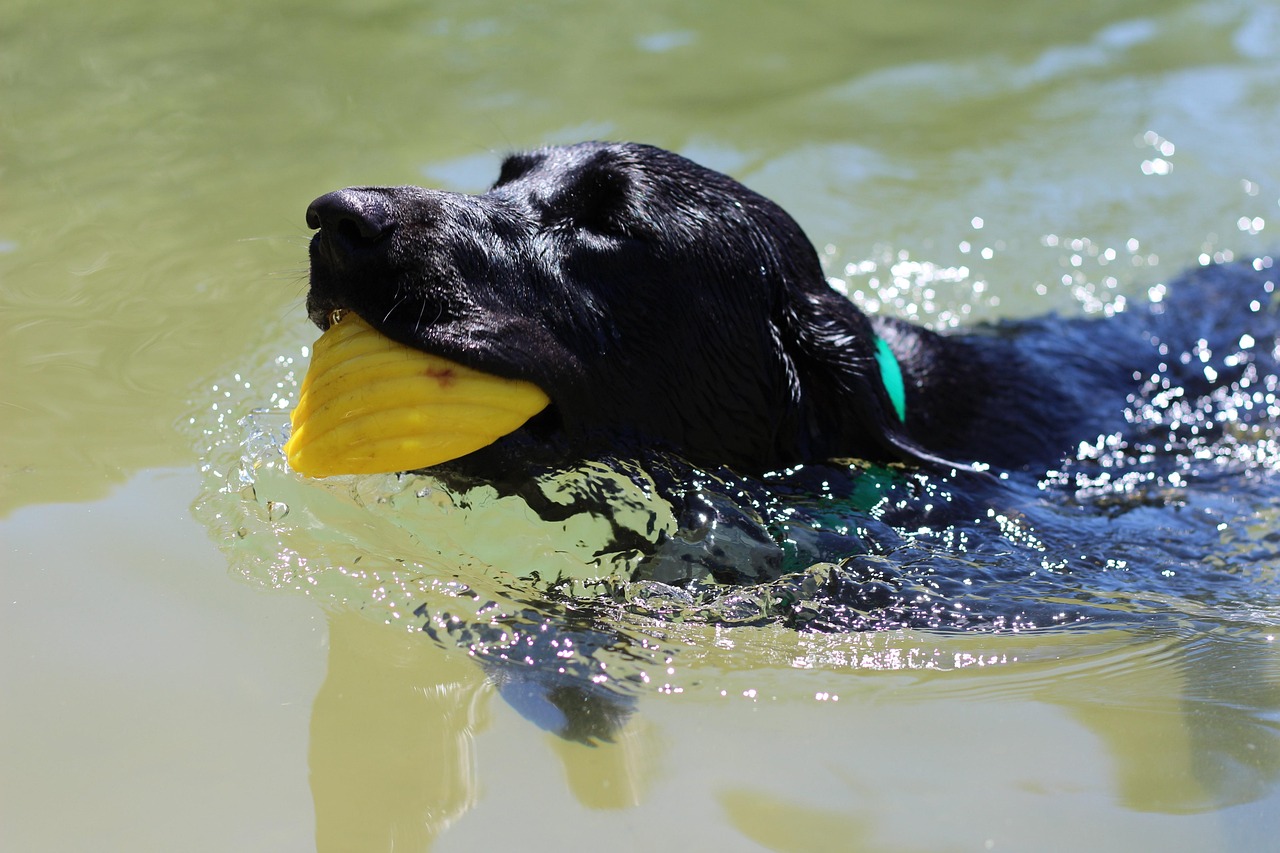

Common Waterborne Hazards for Dogs and How to Avoid Them
As loving dog owners, we ensure our furry friends are safe in various environments, especially around water. Familiarizing ourselves with common waterborne hazards is crucial for their safety. First, natural water bodies such as lakes and rivers can harbor dangerous bacteria and parasites, leading to illness in pets. To protect your dog, always check for warning signs near water bodies. Avoid letting your dog drink from unknown water sources. Second, ensure your dog is always supervised during swimming. Drowning is a severe risk. Even the strongest swimmers can panic or tire quickly. To reduce this risk, consider using life jackets in open water. Lastly, be mindful of the temperatures. Water can be deceptively chilly, potentially leading to hypothermia if a dog stays in too long. Always monitor your dog’s behavior when swimming. For safety, it might be advisable to keep your dog on a leash in unfamiliar areas. By taking these precautions, you can significantly enhance your dog’s safety and enjoyment during water activities.
Another common waterborne hazard involves strong currents and sudden waves. While some dogs love to swim, they may not understand the dangers of rushing water. Sudden changes in tide or current can sweep even the strongest swimmer away, leading to panic and fear. To prevent accidents, always assess the conditions of water before allowing your dog to enter. Look for warning signs indicating strong currents. If swimming at the beach, check for flags that indicate swimming safety. Additionally, some dogs are more prone to fatigue, especially in turbulent waters. **Providing a safe space** for your dog to rest is essential. If you plan a fishing trip or an outing by the lake, consider a designated area away from strong currents. Learning water safety guidelines can also help your dog enjoy the water responsibly. Training your dog in swimming techniques and building their stamina gradually can enhance their enjoyment and safety. Keep in mind that if your dog shows any fear or reluctance to swim, never force them into the water. Understanding their limits is part of responsible pet ownership.
Understanding the Risks of Waterborne Parasites
Waterborne parasites pose significant risks that must be acknowledged when allowing dogs to play in natural water sources. Giardia and Cryptosporidium are two prevalent parasites commonly found in stagnant or contaminated water. These parasites can lead to gastrointestinal distress, causing symptoms such as diarrhea, vomiting, and lethargy in dogs. The best prevention is to **ensure your dog’s vaccinations are up-to-date** and to limit their access to lakes, ponds, or neglected water bodies. Water testing kits can be useful for assessing potential hazards in swimming areas. Keeping your dog healthy with regular vet check-ups can also catch potential infections early. After swimming, always rinse your dog with fresh water to remove contaminants. Also, monitor for any signs of illness following water exposure. If your dog exhibits unusual behavior, such as loss of appetite or excessive thirst, seek veterinary advice promptly. Understanding these risks ensures that you can manage any health issues that arise as a result of water exposure effectively. Teaching your dog to stay away from unknown water bodies can further enhance their safety.
In addition to parasites, another hazard water poses to dogs is exposure to harmful chemicals. Swimming pools may contain chlorine and other sanitizing agents that can irritate a dog’s skin and respiratory system. To reduce exposure, ensure your dog is rinsed after swimming in a pool and limit their time in treated water, especially if they show signs of irritation. Furthermore, lakes, ponds, or river banks may harbor hazardous substances such as pesticides and fertilizers that can contaminate water. Be aware of the environment where you allow your dog to swim. Before heading out, check for advisories related to water quality and safety. Be cautious of areas near agricultural lands where runoff may affect water conditions. Moreover, certain plants and algae can produce toxins harmful to dogs, leading to symptoms like vomiting, seizures, or even death. Always watch for signs of toxin exposure while swimming, especially blue-green algae. It’s vital to educate yourself about local flora and substances that could be harmful to your pet in water, ensuring a safe and enjoyable time.
Importance of Immediate Response
Understanding how to react quickly to potential emergencies is critical when it comes to water safety. If a dog shows signs of distress, such as panicking while swimming or difficulty staying afloat, it’s essential to act immediately. Stay calm and approach the situation without making loud noises or gestures that can increase the dog’s panic. Rather, use a firm yet comforting voice to call to your dog, encouraging them to swim towards you if possible. If the dog is too distressed to swim back, you may need to enter the water yourself but be cautious of currents. Always aim for safety while retrieving the dog. After rescue, check for any signs of distress, such as coughing or weakness. Provide immediate help, including the Heimlich maneuver if necessary, and seek veterinary assistance promptly. Additionally, being knowledgeable about CPR for dogs can save lives in emergencies. Knowing what to do can make a significant difference in ensuring your pet’s safety during unexpected situations, leading them back to a safe and happy experience.
A crucial element in ensuring your dog’s safety during water activities is appropriate training. Basic commands such as ‘sit,’ ‘stay,’ and ‘come’ can be incredibly beneficial when near water. Teaching these commands can help you direct your dog safely and prevent accidents before they happen. It’s advisable to start training in a controlled environment like a backyard swimming pool, progressing to larger bodies of water as they grow comfortable. Positive reinforcement can encourage desirable behavior. When your dog demonstrates confidence and calmness around water, reward them with treats and praise. Moreover, exposing your dog gradually to water can foster familiarity. Water games like fetch can enhance their enjoyment and acceptance of being soaked! Furthermore, consider enlisting a professional trainer who specializes in water safety for dogs. Professional training helps ensure your dog learns effectively while having fun. Remember, ongoing education and acclimatization are fundamental to achieving a safe and enjoyable experience for both you and your dog in the water!
Final Tips for Water Safety
Lastly, staying prepared when your dog is around water can mitigate many risks associated with water activities. Always have a first aid kit specifically designed for pets on hand. Include necessary supplies such as disinfectant, bandages, and soft muzzles in case your dog becomes anxious during an emergency. Furthermore, ensure you have contact information for nearby veterinarians readily accessible. Familiarize yourself with CPR techniques and be ready to apply them if needed. Installing pet-safe barriers to prevent your dog from accessing dangerous areas near water can also be beneficial. Consider getting a life jacket designed for dogs, especially if you frequent journeys to places with swift currents. Regular hydration is a must; provide fresh water for your pet after swimming to prevent water intoxication or dehydration. Finally, teach your dog to recognize boundaries and respond to commands while near water, which enhances their understanding of safety. With the right knowledge and measures in place, you can ensure your dog enjoys water activities while minimizing potential hazards.
By implementing these guidelines and recommendations, dog owners can make water activities safer and more enjoyable. Education is key—ensure both you and your dog understand water safety essentials. Regularly revisit and refresh training as well as monitoring your dog’s comfort levels while swimming will help maintain their safety. With proper understanding of hazards, combined with proactive strategies, pet owners can enjoy worry-free outdoor water adventures. Being prepared for any eventuality enables a smoother and more secure experience for everyone involved. Always be attentive and observe your dog’s behavior when in or near water. Remaining aware of your surroundings and identifying any potential threats will significantly enhance your dog’s safety. Apart from the risk factors mentioned, other considerations such as the temperature of the water, weather conditions, and potential wildlife interaction should also be accounted. Establishing good practices for introducing a dog to water helps create pleasant experiences while minimizing risks. Engaging dogs in regular swimming sessions under supervision can promote healthy activity while fostering a love for water. Prioritize their safety for endless aquatic fun! Plan outdoor adventures that align with your dog’s capabilities for enjoyable times ahead.