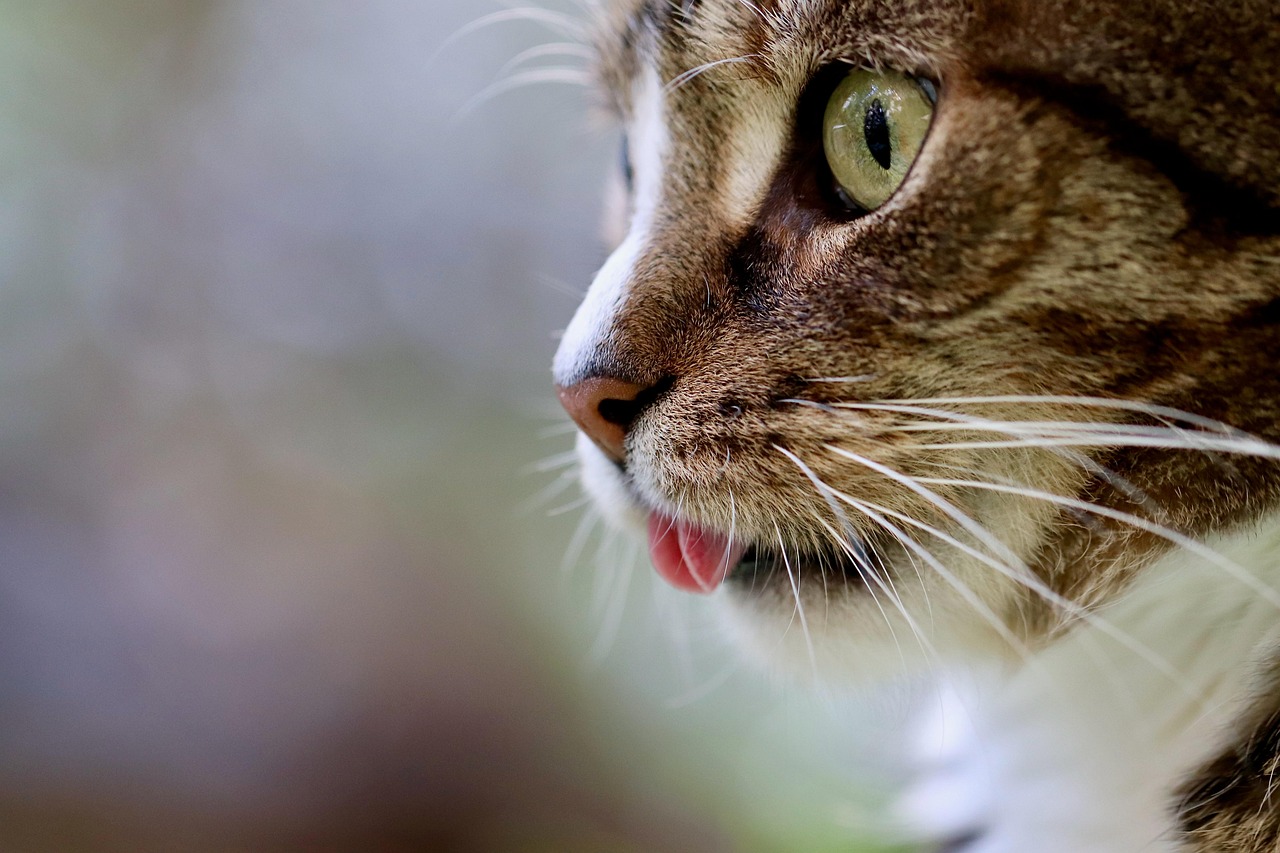

Settling Territorial Conflicts Between Cats Without Violence
Territorial conflicts among cats are a common issue that pet owners may face, especially when introducing a new cat into the home. Cats, being inherently territorial animals, may react aggressively when their space is encroached upon. Understanding feline behavior and the reasons behind aggression can greatly assist in resolving these conflicts peacefully. It is crucial for owners to take proactive measures to alleviate territorial disputes, which can help diminish stress levels for both cats and their owners. By providing individual spaces, resources, and stimulating activities, cats are less likely to feel threatened. Gradual introductions and supervised interactions are also essential in creating a peaceful environment. Recognizing signs of stress in cats can help prevent escalation into conflict. Situations that escalate into fights can lead to injury and long-term behavioral issues. Hence, intervention is essential. Consulting with a veterinarian or a professional animal behaviorist may be necessary if conflicts persist. In time, with patience and the right approach, many territorial disputes among cats can be resolved, leading to a harmonious living situation for all involved, thereby enhancing the quality of life for your feline companions.
The first step in resolving territorial conflicts between cats is assessing their living environment. Adequate space and resources can make a significant difference. Ensure that there are enough litter boxes, feeding stations, and resting areas. Ideally, there should be one litter box and resource area per cat, plus one extra, to minimize competition. Also, vertical spaces, like shelves or cat trees, can enhance your cat’s sense of security and ownership over their territory. Moreover, cats enjoy observing their surroundings; thus, providing window perches allows them to feel more comfortable. Additionally, regular playtime can ease tensions and promote positive interactions. Engage each cat in interactive play sessions that can help burn off excess energy. Introducing scratching posts in various locations can also serve as an outlet for stress and provide a controlled place to assert dominance, reducing the chance of violent confrontations. It’s essential to ensure every cat feels they have their own space, thereby lessening the chances of aggression. Moreover, engaging multiple senses can offer mental stimulation, making their environment more enjoyable and less stressful as they adapt to shared living spaces.
A gradual introduction process is crucial when merging households with multiple cats. Start by separating the cats in their own spaces, allowing them to get used to each other’s scents without direct confrontation. Scent swapping can help create a sense of familiarity. You can do this by exchanging bedding or using a cloth to rub one cat and then allowing the other to sniff it. Gradually, allow the cats to meet visually through a barrier, like a baby gate or cracked door, so they can see each other without direct access. Once they seem comfortable, you can proceed to short, supervised interactions. Never force a confrontation; allow them to approach at their own pace. Distractions, such as toys, can ease tension during these meetings. If either cat shows signs of distress, separate them and try again later. Maintain calm during these sessions, as your stress can transfer to the cats. Having your cats feel safe and unthreatened is essential as they adjust to cohabiting. This patience and strategy will aid in settling territorial conflicts amicably.
Sometimes, despite efforts, some cats may still exhibit aggression despite extensive intervention. In such cases, behavioral training can be immensely beneficial. This process involves reinforcing positive interactions and using rewards for desired behavior. Approaching this method requires a significant amount of patience and consistency. Using treats, praise, or playtime as a reward can encourage your cats to engage positively with one another. Clicker training can also be effective, marking appropriate behaviors and rewarding them immediately. Dealing with aggression may necessitate behavior modification tailored to each individual cat’s personality and experiences. Serving as a mediator during interactions is essential; allow cats to establish boundaries while preventing any rough play from escalating. If they begin to show any signs of aggression or distress, separate them again. It’s vital to remember that some cats may take longer than others to adjust and learn. Repetition and routine can significantly help ease fears. Thus, remaining committed to fostering positive associations rather than falling back on misbehavior ensures the desired outcome over time, allowing a peaceful coexistence.
Provide Emotional Support
An emotionally supportive environment is critical when managing territorial conflicts among cats. Cats are sensitive creatures that thrive on security and routine. Maintaining a regular feeding, playtime, and social interaction schedule can instill a sense of safety. This predictability can help reduce stress levels, increasing comfort in their shared environment. Moreover, offering each cat ample attention through petting or grooming can foster emotional bonds while ensuring they feel valued. Doing so can help mitigate feelings of jealousy or competition. Furthermore, consider using pheromone diffusers or sprays that mimic natural feline scents. Such products can help to calm both cats, reducing anxiety and mitigating the urge to defend territory aggressively. Encouragement and positive reinforcement help foster a collaborative environment. When introducing rewards for calm behavior, it is essential to create an atmosphere where each cat recognizes that peaceful coexistence yields enjoyable experiences. Always observe your pets during their interactions. When they behave well, praise them lavishly to reinforce good behavior. Developing this supportive framework allows your cats to create more positive associations with each other, ultimately leading to more harmonious cohabitation.
In some cases, despite numerous efforts, a cat may show persistent aggression that might require professional assistance. Seeking guidance from veterinarians specializing in feline behavior can provide tailored strategies for your specific situation. They can assess underlying health issues that might contribute to aggression. Often, unrecognized medical problems can exacerbate behavioral issues. Medical interventions, such as medications, might be recommended to assist in reducing anxiety and aggressive behaviors. Additionally, working with animal behaviorists can provide insights into the complex dynamics between your cats and offer customized training plans. Professionals often observe interactions and behavior patterns, providing pathways to address aggression effectively. Consulting experts ensures that you approach the behavior modification with informed strategies, ultimately changing a stressful and confrontational environment into one built around trust and understanding. Successful resolution of territorial conflicts is possible, but it often takes time and effort from both pet owners and their cats. Being proactive in seeking help ensures that a path towards harmony is established, significantly enhancing the well-being of all household members, including the feline companions.
Conclusion
Overall, managing territorial conflicts between cats requires a balanced mix of understanding, patience, and proactive measures. By recognizing the signs of stress and aggression, pet owners can take meaningful steps to create a peaceful coexistence. It’s vital to provide adequate resources, gradual introductions, emotional support, and the option of professional assistance when necessary. Cats are creatures of habit, and establishing a routine while ensuring safety can alleviate fears surrounding territory changes. This transitional period may be challenging, but implementing these strategies can remarkably improve the relationship between cats. Remember to stay watchful and responsive to your cats’ needs, recognizing that peaceful resolutions often require time. Your understanding will not only benefit your cats but also create a more harmonious home environment for everyone involved. Observe interactions keenly, rewarding positive behaviors and maintaining calmness throughout the process. With diligence and empathy, you can settle territorial conflicts effectively, allowing your cats to thrive together peacefully, leading happier and healthier lives as companions.
Ultimately, the importance of fostering a peaceful coexistence among your cats cannot be overstated. A harmonious environment not only enhances their lives but also results in less stress for the owner. It can prevent long-term behavioral problems that may arise from ongoing disputes. Your efforts in managing territorial conflicts will undoubtedly contribute to better mental health for both pets and humans. By being vigilant and responsive, such active involvement is essential for happy inter-cat relationships. The well-being of your feline companions depends upon your awareness, patience, and flexibility in resolving disputes. A commitment to understanding your cats’ dynamics sets the foundation for a peaceful home. Healthy inter-cat relationships enrich your lives and help build an environment of trust and security. Thus, the emphasis remains on fostering connections built on problem-solving, empathy, and cooperation to ensure that all members in your home find comfort and stability amidst changes. By embracing these techniques, allow each cat to experience their own individuality while learning to coexist harmoniously within your shared household.