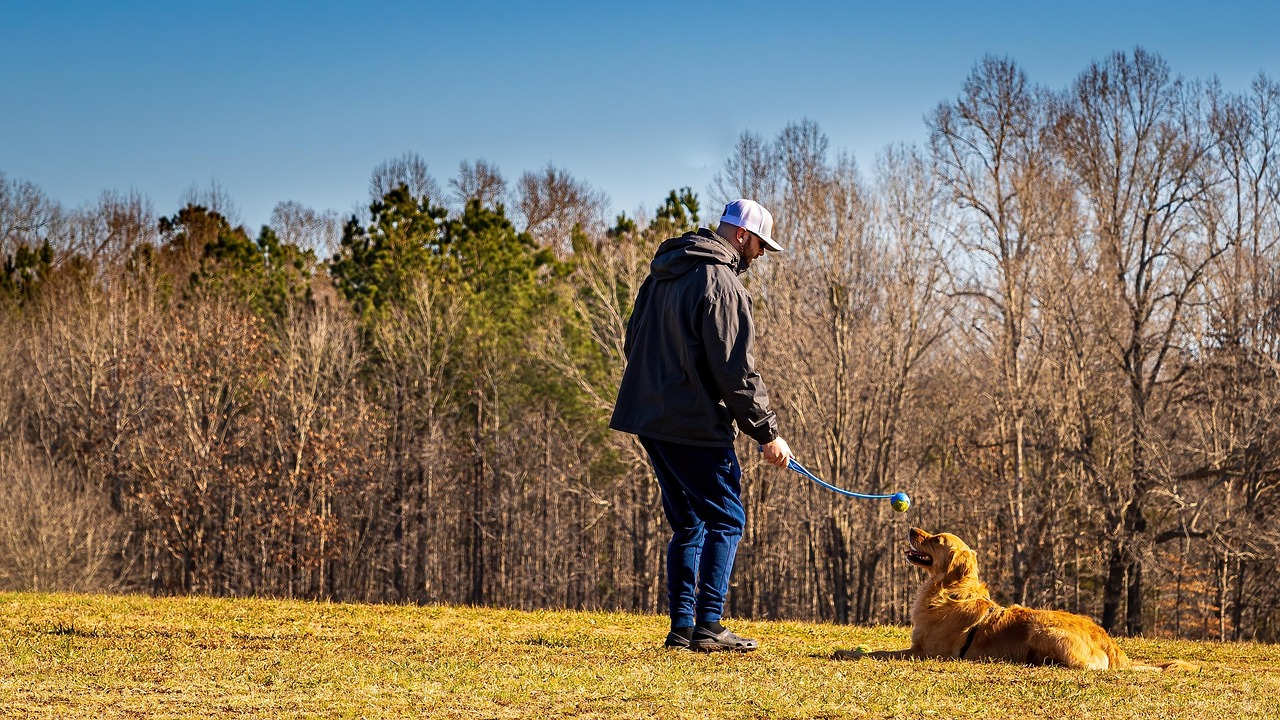

Sit Command as a Foundation for Advanced Dog Training
The “Sit” command is foundational in dog training and helps establish a basis for more advanced commands. Dogs love structure and routine, and starting their training with simple commands makes learning progress smoother. The “Sit” command is more than just a basic obedience command; it serves various purposes, including improving communication between the dog and its owner. Mastering this command helps owners understand their dog’s behavior better. The act of sitting naturally puts dogs in a more relaxed state, making them less anxious and more receptive to new information. Training with positive reinforcement ensures that dogs associate the command with good experiences. Use treats, praise, and affection to reinforce this behavior. Consistent training sessions will lead to better results and a more obedient dog. Gradually increase difficulty by incorporating distractions or practicing in different environments, like parks or at home. This technique ensures that the dog remains attentive regardless of the surroundings. Eventually, your dog will learn to respond promptly and reliably to the “Sit” command, forming a firm anchor for more complex commands and behaviors.
Once your dog has mastered the “Sit” command, it becomes a stepping stone for advanced training techniques. One effective method is to combine commands, introducing them in sequence. For example, after the dog sits, follow with a command such as “Stay” or “Come.” This build-up enhances cognitive development and reinforces the dog’s ability to follow multiple commands in a row. You can gradually build up the series of commands, which helps establish a command hierarchy. It also reinforces the concept that following instructions leads to rewards. Introducing variations such as distance commands or duration scores can further enhance their training, motivating them to hold the position instead of quickly moving away. You might also use the sit command during playtime or in recreational activities, thus incorporating it into familiar contexts. This blending reinforces learning and encourages dogs to adapt their responses to different scenarios. Ensure sessions remain positive and engaging to enhance their interest. Consistent practice helps with retention and builds a deeper bond between you and your dog. Remember to reward them appropriately to reinforce positive outcomes and continue fostering good behavior.
Incorporating distractions during training reinforces the “Sit” command and prepares your dog for real-life situations. Start with minimal distractions before gradually introducing more challenging environments such as busy parks or presence of other dogs. Positive reinforcement will help your dog focus despite distractions. Gradually increase the level of distraction they encounter. For example, when practicing in your yard, move training sessions indoors where noise might arise occasionally. Offer treats or affection whenever they obey against distractions, ensuring that they develop a sense of accomplishment and trust in your commands. Achieving success in various settings creates a bond of reliability, allowing the dog to develop independence even when you are not around. Ensuring distraction training is part of your routine will help solidify their understanding of the command itself. This strengthens communication during obedience training and improves their ability to perform in public. Over time, focusing under distracting circumstances becomes easier. Transition the focus back to a successful sitting position for consistent reinforcement. Every degree of difficulty encountered will further solidify their responses, leading to a well-behaved, reliable companion.
Significance of Patience and Consistency
Patience is crucial in any dog training process, including teaching the “Sit” command. Acknowledging a dog’s unique learning pace will help develop a more mutually respectful training relationship. Training should be clear and positive, reiterating that dogs may not grasp commands instantly. Frequent repetition combined with gradual advancements ensures success and promotes a better understanding of the expected behavior. Guarantee consistency in your verbal commands and hand signals, as this helps the dog learn more effectively. Unexpected variations might confuse them, thus hindering progress. Regular short training sessions yield better results than infrequent long ones. Tailor your training to fit the dog’s mood and energy levels while being conscious of fatigue. Always observe their behavior and adapt your approach accordingly. Leverage different locations, exercises, and even trainers for diverse stimulation and effectiveness. Seeking assistance from professional trainers when you hit roadblocks can thus yield a more beneficial outcome. Building a training schedule that includes regular reviews of the “Sit” command along with other commands leads to more reliable behavior over time. This approach nurtures healthy routines in a dog’s daily life while establishing pet obedience.
Emphasizing socialization is a key component of training the “Sit” command. It not only enforces obedience but helps the pup understand interactions better. Socialization with various environments, people, and animals solidifies your dog’s status as a balanced and well-mannered companion. For example, during social outings, practice having your dog sit calmly while they interact with visitors, which will improve their acceptance of external stimuli. A dog that is comfortable with different environments feels secure and tends to respond better to commands. Moreover, allowing the dog to observe how others react will encourage appropriate behavioral habits. Ensure all experiences are positive and reassuring, as fearful interactions can lead to regression in training. Engaging in group training classes can also promote beneficial socialization experiences. This allows for skills development in a controlled atmosphere and fosters a sense of community among other pet owners. Incorporate training games that include the “Sit” command during playdates or exchanges, ensuring your dog associates fun with learning. A well-rounded approach that blends commands with social experiences elevates not only command comprehension but will also the dog’s overall behavior.
Celebrating milestones in training reinforces the values learned through the “Sit” command and helps recognize moments of achievement. Celebratory behaviors can vary from treats, extra playtime, or even a special outing. Recognizing even minor achievements encourages the dog, enhancing their trust and confidence in you as an owner and trainer. Each accomplishment builds towards more complex challenges later in life. Building this positive reinforcement framework not only motivates dogs but fosters a strong human-animal bond. Ensuring variety in your celebrations makes training not only productive but enjoyable. Incorporate fun challenges that inspire them to master advanced commands. This could mean setting up an agility course or engaging them in activities that require both obedience and physical skill. Remember that every dog learns differently and at different speeds; flexibility in your approach will go a long way. Consistently caring for the dog’s needs boosts their success, and maintaining rewards reinforces their willingness to train further. Acknowledging successes helps them recognize training as a rewarding experience instead of a chore. With this philosophy, training extends beyond basic commands into more complex, fruitful relationships that enrich both dog and owner.
Conclusion
In conclusion, the “Sit” command is a significant stepping stone in advanced dog training, reinforcing obedience while building trust and a strong bond. This foundational skill encourages your dog to navigate various environments smoothly, paving the way for more complicated commands. Train consistently with a focus on gradual progress and adapting to your dog’s learning style. Socialization plays a vital role, ensuring a well-rounded companion. Celebrate successes and recognize their importance in maintaining motivation. Remember that every dog is unique, requiring individualized methods and practices to achieve the best outcomes for higher commands. You become a vital resource in their development and can encourage growth outside of training sessions. Your dedication builds confidence in your dog, leading them toward reliable behavior. The “Sit” command serves not merely as an instruction; it represents a mutual understanding that enhances behavior training and encourages a healthy relationship. With continued practice and patience, the bond between you and your dog strengthens. Ultimately, the journey of training is as delightful as the destination, creating a fulfilling companionship based on trust and understanding, resulting in a generation of well-trained canines.