
The Importance of First Aid Training for Dog Walkers and Caretakers
Being a dog walker or caretaker requires more than just a love for dogs; it also involves ensuring their safety in all situations. Knowledge of first aid for dogs can prove invaluable, especially during emergencies. Injuries can happen unexpectedly, whether on a walk or at home. Training provides essential skills that can help you react promptly and correctly. Being prepared with the right techniques and knowledge can indeed save a dog’s life. First aid training includes recognizing signs of distress, choking, bleeding, and other emergencies. Additionally, you’ll learn how to handle each situation effectively. Not only does this ensure the safety of the dogs in your care, but it also gives peace of mind to the owners. Understanding canine behavior can also help prevent potential emergencies from occurring. The role of a dog walker or caretaker is a significant responsibility that should not be taken lightly. This expertise also elevates your credibility with clients. Thus, investing in first aid training ensures the well-being of the dogs and your overall professionalism in the field of pet care.
First aid training for dog walkers is critical, as many of these professionals spend significant time with the animals. Emergencies can arise anytime while walking dogs, from accidents to sudden illnesses. Walking multiple dogs increases the likelihood of a situation requiring immediate action. Dogs can often express anxiety or fear in various circumstances, leading to injuries or unwanted reactions. Therefore, understanding first aid practices can give you the necessary confidence to handle crises. Training programs generally cover common issues, such as cuts, bites, and allergic reactions. Additionally, they often focus on recognizing symptoms that may indicate a more severe problem. Being aware of these signs can lead to quicker reactions and better outcomes. Beyond acute situations, first aid knowledge can help you implement preventive measures. With your training, you can educate dog owners about safety and health practices. The ultimate goal is to create a safe environment for the dogs and to inform clients about potential risks. Clients often seek dog walkers who can offer this vital knowledge, which can differentiate you in the competitive pet care market.
Understanding first aid benefits not only the dogs but also enhances the overall client experience. Clients look for reassurance that their beloved pets are in safe hands. When you are knowledgeable about first aid and prevention methods, it builds trust with clients and helps establish long-term relationships. Moreover, the ability to provide immediate care in emergencies can be crucial for a pet’s survival and well-being. This knowledge can translate to better customer satisfaction, as clients appreciate the effort you put into ensuring their pets’ safety. Furthermore, having first aid training can make you stand out in job applications. In today’s competitive job market, employers seek candidates with added certifications and skills. Emphasizing your knowledge of canine first aid can help you secure more job opportunities and attract more clients. Being prepared for emergencies can also lessen your stress during incidents. When you know what to do, you can act calmly and confidently, which will reflect positively on you and your services. Clients often desire professionals who not only provide walking services but also can handle unexpected situations efficiently.
Essential First Aid Skills for Dog Caretakers
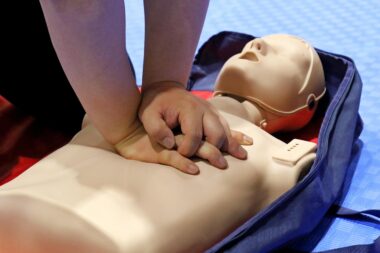
Some essential first aid skills every dog walker should confidently master include performing CPR, controlling bleeding, and using a muzzle effectively. CPR can save a dog’s life in dire situations, particularly during emergencies where regular breathing is absent. Learning how to conduct chest compressions and mouth-to-nose rescue breaths is vital. Simulating real-life scenarios in training helps reinforce these techniques. Controlling bleeding is another critical skill, as injuries can quickly escalate if not managed correctly. Knowing how to apply pressure using clean cloths or bandages is fundamental in every emergency situation. Moreover, understanding how to properly utilize a muzzle ensures both your safety and that of the dog. In moments of panic, dogs may react unpredictably, so it’s essential to know how to prevent bites. Furthermore, learning how to assess a dog’s vital signs can help identify underlying health issues. Knowing what constitutes a normal heart rate and respiratory rate for dogs provides crucial insight. Having these skills not only increases the safety of the dogs you care for but also enhances your overall reputation as a professional dog caregiver.
First aid training can also help you understand basic canine anatomy and common ailments. This understanding goes hand-in-hand with first aid practices, allowing you to make educated decisions when faced with a medical emergency. Learning about canine anatomy helps you communicate effectively with veterinarians if an issue arises. Moreover, it aids in monitoring the dog’s health and diagnosing problems before they worsen. Being proactive can prevent emergencies altogether, allowing you to provide a safer environment for the animals. Additionally, first aid training often involves educating you about the use of equipment like first aid kits tailored for dogs. Knowing what to include in your kit and how to utilize these items can be critical during emergencies. First aid classes often provide a comprehensive outline of necessary supplies, such as bandages, antibiotic ointments, and muzzles. Keeping a well-stocked first aid kit at arm’s reach ensures you’re prepared for any unexpected situation. Furthermore, incorporating this knowledge into your services can attract potential clients. Many dog owners prioritize finding caregivers who prioritize safety and health, making you a desirable choice.
Incorporating first aid training into your professional development is a rewarding decision. As the pet care industry continues to grow, offering specialized skills like first aid training can increase your marketability. Many clients will seek out services providers with advanced safety and care knowledge. This investment not only benefits dogs under your supervision but also helps to build a successful career. The skills acquired through training can enhance your confidence as a caretaker. Knowing that you are capable of managing emergencies allows you to focus more on the enjoyable aspects of your work. Additionally, many organizations provide certifications upon completing first aid courses, which can further enhance your credentials. Highlighting these certifications in your promotional materials can effectively attract more clients. Overall, this commitment to learning and improvement demonstrates professionalism and dedication. Clients are more likely to choose dog walkers who take the time to enhance their skills. Ultimately, being knowledgeable about dog first aid can make a difference between life and death. The more equipped you are to handle emergencies, the better outcomes you will achieve.
Conclusion: The Lifesaving Benefits of First Aid Training
In conclusion, first aid training is an essential component for dog walkers and caretakers. By acquiring this knowledge, you not only empower yourself to handle emergencies but also ensure the safety and well-being of the dogs in your care. As a dog walker or caretaker, your primary responsibility revolves around the health and happiness of pets. Effectively managing emergencies can alleviate stress for both you and the pet owners. An educated dog caretaker can make a substantial impact on a pet’s life, especially in critical situations. Furthermore, showcasing your commitment to first aid training can significantly improve your standing within the industry. Clients will appreciate your proactive approach to safety and your dedication to their pets. Therefore, consider enrolling in a reputable first aid course designed specifically for dog caregivers. The skills gained from such training can prepare you for various situations that may arise, helping you provide exceptional care. Ultimately, prioritizing first aid education is a wise investment, ensuring that you’re ready to face any situation with the knowledge and confidence needed to offer the best care possible.
In the realm of pet care, ensuring that you possess skills beyond basic feeding and walking responsibilities sets you apart. The ability to recognize potential health issues and react swiftly can significantly impact a dog’s well-being. Working with pets can be unpredictable; thus, staying prepared and knowledgeable is essential. As part of a responsible pet care strategy, first aid training is invaluable. It offers insights into a dog’s unique behaviors, health concerns, and emergency responses. Taking the time to enhance these skills can make every dog walk safer for both you and the animals. Additionally, many walk providers include first aid training in staff training sessions, highlighting its importance within the industry. Providing this education ensures a standard for care among dog walkers and caretakers. Furthermore, first aid knowledge reinforces responsible pet ownership among clients by informing them about proper preventative measures. Establishing a safe environment for pets not only enhances their experiences but also encourages clients to actively participate in their pet’s health maintenance. With the right training and dedication, you can transform your dog walking and caretaking services into ones where safety is paramount.