
The Science Behind Why Dogs Love Tug Toys
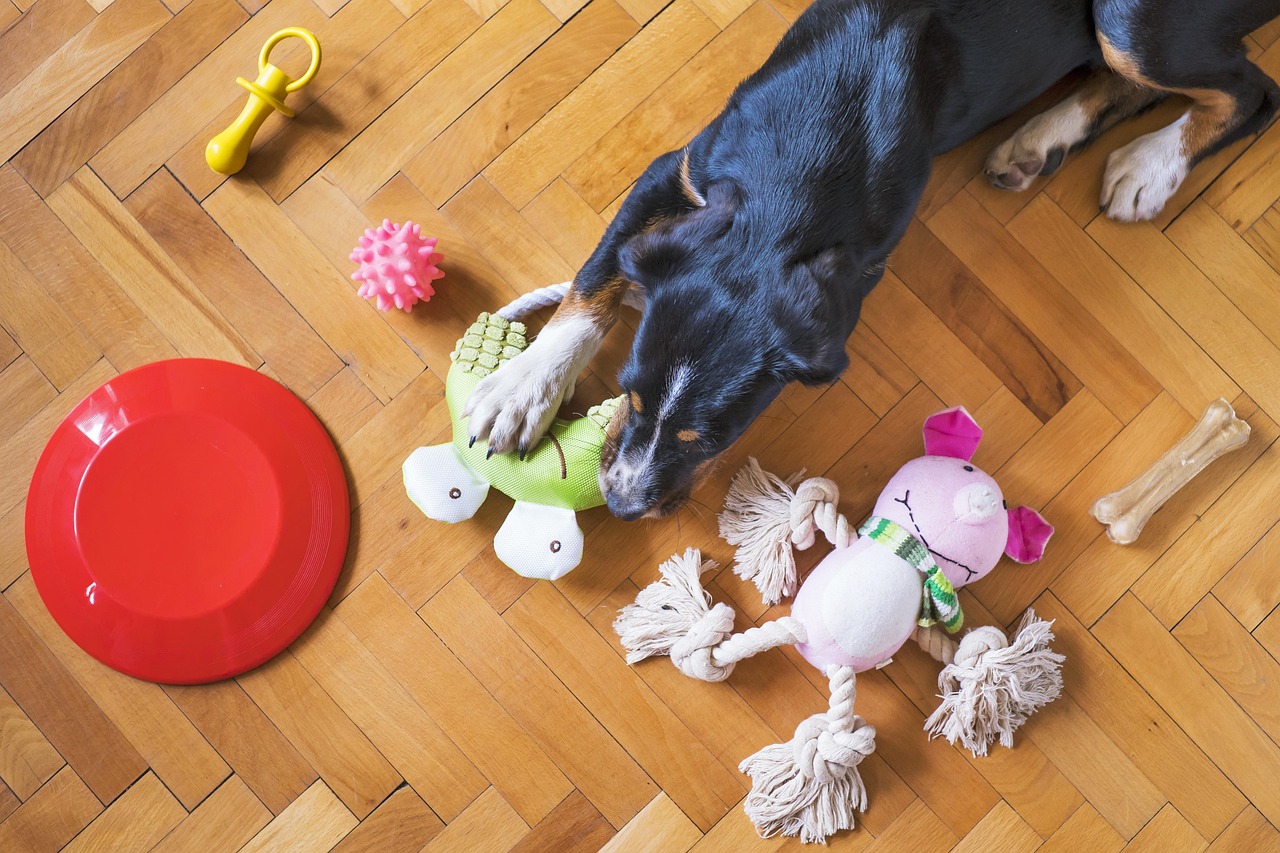
Dogs are known for their playful natures, and tug toys hold a special place in their hearts. These toys not only provide entertainment, but they also serve as valuable tools for bonding between dogs and their owners. When engaging in a tugging game, dogs release pent-up energy, helping them to remain physically active and mentally stimulated. The excitement of pulling, tugging, and shaking a toy can activate a dog’s natural predatory instincts as well. Many dogs feel a sense of accomplishment when they win a tug-of-war game. Studies indicate that this can enhance their confidence and self-esteem. Furthermore, tugging activates key muscles in a canine’s body, such as their jaws and neck, promoting overall strength development. It’s important to select the right tug toy, considering material safety and durability. Popular options include rope toys, rubber toys, and plush toys. Each breed may have specific preferences, so it can be beneficial to experiment with various types. The joy experienced during these play sessions strengthens the bond between dog and owner while satisfying their inherent need for physical activity and social interaction.
The Psychological Benefits of Tug Toys
Using tug toys is not just fun; it also offers many psychological benefits for canines. Engaging in tug games provides dogs with a way to release stress and anxiety. The physical interaction of playing tug allows them to channel their excitement and energy positively. It’s a great alternative to destructive behaviors that might develop due to boredom or loneliness. Tugging also serves as an excellent opportunity for training and obedience reinforcement. Many trainers recommend incorporating commands such as “drop it” or “take it” into your playtime to teach valuable lessons while having fun. By offering rewards during these activities, you can reinforce desired behaviors, creating a more harmonious relationship. Additionally, tug toys can help dogs develop impulse control, as they learn to wait for the command to engage. Playing tug promotes trust and teamwork, which fosters a sense of security in dogs. Regular interaction with their owners through tugging can lead to decreased behavioral issues over time. The emotional bonding created during these sessions enhances a dog’s general happiness and sense of belonging within their family.
Choosing the right tug toy can greatly affect how much your dog enjoys playtime. Consider the toy’s texture, size, and firmness as these features can influence your dog’s preference. For instance, some dogs may prefer soft, plush toys, while others might enjoy a firm rubber texture. It’s also essential to take into account your dog’s size and strength to ensure the toy is appropriate for them. A toy that’s too large might not be engaging, while one that’s too small may pose a choking hazard. Additionally, toys made from safe, non-toxic materials are crucial to prevent health issues. Most tug toys will show wear over time, so regularly inspect them for damage, replacing them as needed. Furthermore, engaging your dogs in tug games in safe, open environments is vital. This approach minimizes distractions, allowing them to focus on their playtime, which enriches their experience. Always observe your dog during play and ensure they play safely, leveraging their enthusiasm. By prioritizing the right tug toys, you will be able to maximize the fun and bonding moments you share with your furry companions.
Safe Tug Play Practices
When playing tug-of-war with your dog, safety should always be the top priority. Dogs may become overly excited, and rough play could inadvertently lead to injuries. To prevent potential risks, establish clear rules during the game, such as using a command to signal when it’s time to begin and end play. Consistency in these commands reinforces the expectations for your dog, making them more predictable during playtime. Be vigilant for signs of overexcitement, and take breaks when necessary. This can include periods where you disengage from the tug toy, allowing your dog to calm down. Always reward calm behavior to encourage restraint. Additionally, avoid aggressive pulling which could hurt your dog’s teeth or neck. Encourage a healthy exchange by letting your dog win occasionally; this not only boosts their confidence but also enhances the overall experience. Always supervise playtime closely, especially with children participating, to maintain discipline and ensure safety. With proper practices in place, tug play can foster enjoyable experiences that promote physical health and emotional bonding.
The role of tug toys extends beyond mere entertainment; they also play a significant role in a dog’s social skills development. Tug games often involve interaction with other dogs or humans, allowing them to understand play dynamics effectively. This social interaction helps develop communication skills through a series of barks, tail wags, and body language. In group play situations, dogs learn to share, take turns, and exhibit patience, all of which are crucial social skills. Moreover, when playing with other dogs, tug games can instill healthy competition. As dogs encounter different play styles and energy levels, they become adaptable to various social situations. Engaging in tug-of-war can also mitigate territorial behaviors by establishing friendly competition. Additionally, these interactions can promote sensory stimulation, which is essential for mental development. It’s important to have structured playdates so that dogs can experience tug play with others in a controlled setting. By fostering a positive environment around tug toys, socialization leads to well-adjusted and happier dogs.
The Importance of Supervision
Supervision during tug play is crucial for ensuring the safety and enjoyment of both the dog and the owner. Dogs, especially younger or overly active ones, may engage in rough play that can lead to accidents. Close oversight allows owners to intervene when necessary to minimize injury risks. By observing your dog’s behaviors and reactions, you can spot potential warning signs of aggression or discomfort, such as excessive growling or refusal to let go of the toy. Prompt intervention, such as redirecting their focus or taking the toy away, can help maintain harmony during play. Supervision also encourages safer social interactions if multiple dogs are involved. It aids in preventing unwanted dominance displays or misunderstandings during tug games. Create designated play areas where the backdrop is clear of hazards to facilitate better supervision. Consider the environment and the temperament of the dogs involved when planning playtime. Dogs thrive on structure and positive guidance, and owners who supervise show responsible pet ownership. In addition, these moments present opportunities to reinforce training and improve behavior.
To sum up, tug toys are much more than simple playthings; they foster a multitude of benefits for both dogs and their human companions. Not only do they encourage physical activity, but they also enhance the dogs’ emotional wellbeing, teaching essential social skills while reinforcing the bond between pet and owner. The interaction during tug games builds trust and boosts a dog’s confidence, contributing to their overall happiness. Awareness of proper toy selection, safe play practices, and the importance of supervision can lead to many positive experiences. Creatively engaging in training aspects during these sessions can also yield behavioral benefits. Fun and structured tug-of-war games can not only prevent unwanted behaviors but can also offer opportunities for mental stimulation. Owners should invest in high-quality, safe tug toys that suit their dog’s personality and needs. It makes sense to utilize interactive play like tugging to ensure dogs receive adequate physical and mental exercise. Whether played solo or peer-to-peer, tug plays a vital role in keeping dogs healthy and happy. Thus, incorporating tug toys into daily routines can make a noticeable difference in a dog’s life.
In conclusion, understanding the multifaceted role of tug toys in a dog’s life allows owners to maximize their benefits. It’s clear that these toys provide entertainment while simultaneously aiding in training and behavioral development. Tug toys enhance a dog’s physical fitness and mental capabilities, allowing them to thrive within their home environment. The play encourages positive habits while fostering a deeper bond between dog and owner. Engaging in regular tug-of-war sessions significantly reduces destructive tendencies associated with boredom. By channeling energy into constructive play, owners contribute to a dog’s overall happiness and well-being. Moreover, observing play dynamics helps identify a dog’s preferences while promoting enhanced social skills. Owners should remain committed to improving their tug play experiences by ensuring safety practices are in place, which can ultimately lead to a more fulfilling connection with their pets. This approach to play furthers a strong owner-pet relationship and increases mutual respect. By continuously prioritizing the quality of playtime, pet owners can contribute positively to their dog’s lifestyle. In essence, well-rounded tug play serves various purposes that enrich dogs’ lives, nurturing their physical and emotional health.