
Understanding Your Dog’s Grooming Needs By Breed
Grooming is an essential aspect of your dog’s health. Different breeds have unique grooming requirements that cater to their specific needs. For instance, breeds with long hair, like the Afghan Hound or the Shih Tzu, require regular grooming to prevent matting. These breeds should be brushed several times a week to maintain their coat’s health. Short-haired breeds such as Beagles or Boxers will benefit from less frequent grooming, perhaps once a week. Regular grooming helps remove loose hair, dirt, and debris, reducing the risk of skin irritation or infections. Grooming also provides an opportunity to inspect your dog’s skin for any signs of health problems, such as lumps or irritations. It is advisable to establish a grooming routine early, as this helps your dog become accustomed to the process. This method also strengthens the bond between you and your pet. Regardless of the breed, routine grooming can help keep your dog comfortable and healthy. Attend to their ears, nails, and dental hygiene regularly as well, making it an essential part of their overall grooming regimen.
Grooming for Health in Long-Haired Breeds
Long-haired breeds, such as the Yorkshire Terrier or the Maltese, have extensive grooming needs that extend beyond regular brushing. Their coats can become tangled, which can lead to discomfort for the dog. Therefore, a daily grooming routine with appropriate tools like slicker brushes or combs will keep their coat detangled. Bathing these breeds also requires careful attention, as they can have sensitive skin; make sure to use dog-friendly shampoos and conditioners that are specifically designed for their skin type. In addition, regular trimming helps in maintaining the coat’s length and health. Keeping the feet and sanitary areas trimmed is also critical for hygiene and comfort. Be mindful of their ear and eye areas too, as these breeds can develop issues if not cleaned properly. Regular inspections while grooming can help you identify any issues early on. This approach saves time and ensures your dog remains comfortable and healthy. Consult a professional groomer if you’re unsure of grooming techniques, as they can provide valuable advice and tips specific to your dog’s breed.
Short-Haired Breeds Grooming Essentials
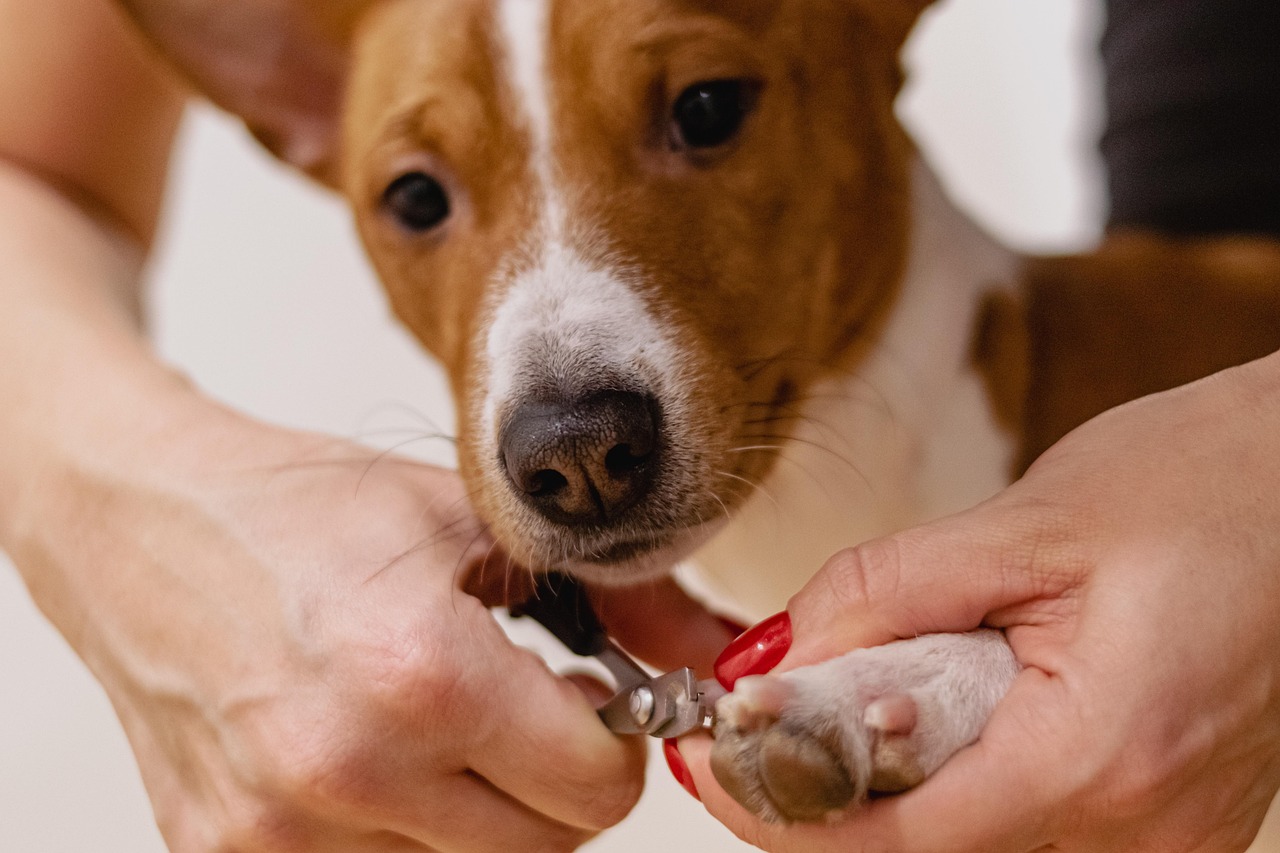
Short-haired breeds like the Dachshund or Doberman have fewer grooming needs compared to their long-haired counterparts. However, this does not mean they are exempt from the grooming process; they also require basic grooming to maintain their overall health. Regular brushing can help remove excess shedding and keep their coat shiny. A rubber grooming glove or a bristle brush can work efficiently for these breeds. Bathing should occur less frequently, typically every few months, unless they get particularly dirty. At this time, use gentle dog shampoo to prevent skin irritation. Attention should also be given to nail trimming, which can be overlooked but is essential to avoid pain or injury. Inspect their ears regularly and clean them to prevent ear infections. These breeds can be sensitive to certain environmental factors, such as grass or pollen, so it’s essential to monitor their skin and coat closely. Establishing a grooming schedule will help ensure that your dog remains happy and healthy. Along with grooming, regular vet check-ups are also crucial for maintaining overall well-being.
Understanding Grooming Needs for Heavy Shedders
Heavy shedders like the Labrador Retriever or German Shepherd require a grooming routine that caters to their shedding patterns. Frequent brushing, ideally a few times per week, helps manage the shedding by removing loose hairs and preventing them from covering your home. A de-shedding tool or an undercoat rake is particularly effective for these breeds. Bathing should occur periodically to keep their coat clean, but over-bathing can lead to dry skin. Monitor their skin condition closely; it may become dry or irritated if not cared for properly. Besides coat maintenance, keeping their nails trimmed and checking ears regularly is also essential to their overall grooming. Training your dog to enjoy the grooming process can take time, but it is beneficial for both of you. Consistency is key, so try to incorporate grooming into your routine. Vitamin-rich diets can support healthy skin and coat, enhancing your grooming efforts. If unsure about the right grooming tools and techniques, consult your veterinarian or a professional groomer who can guide you on best practices tailored to your dog’s breed.
Grooming Considerations for Poodles and Doodles
Poodles and Doodles, known for their curly coats, necessitate a different grooming approach to maintain their coat’s unique structure. They require more frequent grooming, ideally every few days, as their curls can become matted if not maintained properly. Using a wide-toothed comb followed by a slicker brush can help ensure that their coat stays tangle-free. Regular professional grooming, including trims every 4-6 weeks, is highly recommended to keep their coat manageable. Additionally, bathing is essential; use gentle products formulated for dogs to keep their skin moisturized. Pay special attention to the areas around the eyes and ears, as they can develop matting faster. It’s also crucial to regularly check and clean their ears, as the structure of their ears can trap dirt and moisture. Don’t forget about regular tooth brushing to maintain dental health, which is important for overall well-being. Establish a positive grooming environment that encourages cooperation from your dog. With love and patience, successful grooming can not only enhance your dog’s well-being but also strengthen your bond.
Seasonal Grooming: A Must for All Breeds
As the seasons change, so do your dog’s grooming needs. During shedding season, which typically occurs in spring and fall, dogs will lose their winter coats, requiring more frequent grooming to manage the excess fur. This change is essential for their comfort, as a thick coat in summer can lead to overheating and discomfort. After a good spring and fall grooming session, many owners notice an improvement in their dog’s overall comfort. Brushing regularly during these periods not only helps to keep loose fur off your floors but also prevents complications such as skin irritations or mats. Additionally, seasonal grooming allows you to inspect your dog for other issues, such as ticks and fleas that may thrive in warmer months. Make adjustments to your dog’s grooming schedule according to the temperature and humidity, aiming to keep them comfortable regardless of the season. Always be attentive to their needs and consult a professional groomer or veterinarian for specific recommendations. Balancing their grooming needs throughout the year is crucial for maintaining happy and healthy canines.
The Importance of Professional Grooming
While many pet owners can manage basic grooming tasks, professional grooming may be necessary for certain breeds or circumstances. Professional groomers possess specialized training and equipment to handle intricate grooming needs. They can identify potential issues that owners might miss during regular grooming. For example, matting or skin irritations can require specific techniques to address effectively. Moreover, professionals are experienced in trimming nails and cleaning ears gently, minimizing the risk of injury. They can also offer advice on home care tailored to your dog’s specific breed. Making appointments with professional groomers for more complicated tasks, like shaving or styling, can help maintain your dog’s coat. Establishing a good rapport with a groomer will also enhance your dog’s grooming experience. This trust can alleviate anxiety associated with the grooming process. Regular visits to a professional can keep your dog’s coat in top shape, contributing to overall health. Do not hesitate to seek out grooming services that cater to your dog’s unique breed and needs. Investing in professional grooming is truly an investment in your dog’s health and happiness.
Conclusion: Keep Your Dog Healthy and Happy
Understanding your dog’s grooming requirements based on their breed is crucial for maintaining their health and happiness. With various breeds presenting distinct grooming challenges, creating a tailored grooming routine is essential. This routine should include regular brushing, bathing, nail trimming, and monitoring skin conditions. Moreover, seasonal changes necessitate adjustments in grooming frequency and techniques to ensure your dog remains comfortable. Always consider your dog’s comfort level during grooming sessions and make it a positive experience to strengthen the bond between you and your furry friend. Embracing professional grooming services for more intricate tasks can significantly improve your dog’s coat and overall well-being. Additionally, proper nutrition plays a pivotal role, as a well-balanced diet can enhance coat health and skin quality. Stay informed about the specific needs of your dog’s breed and aim for consistency in grooming practices. Always prioritize your dog’s comfort and needs, ensuring a joyful grooming experience. Ultimately, regular grooming contributes to a healthier and happier life for your pet, allowing you to cherish many vibrant moments together.