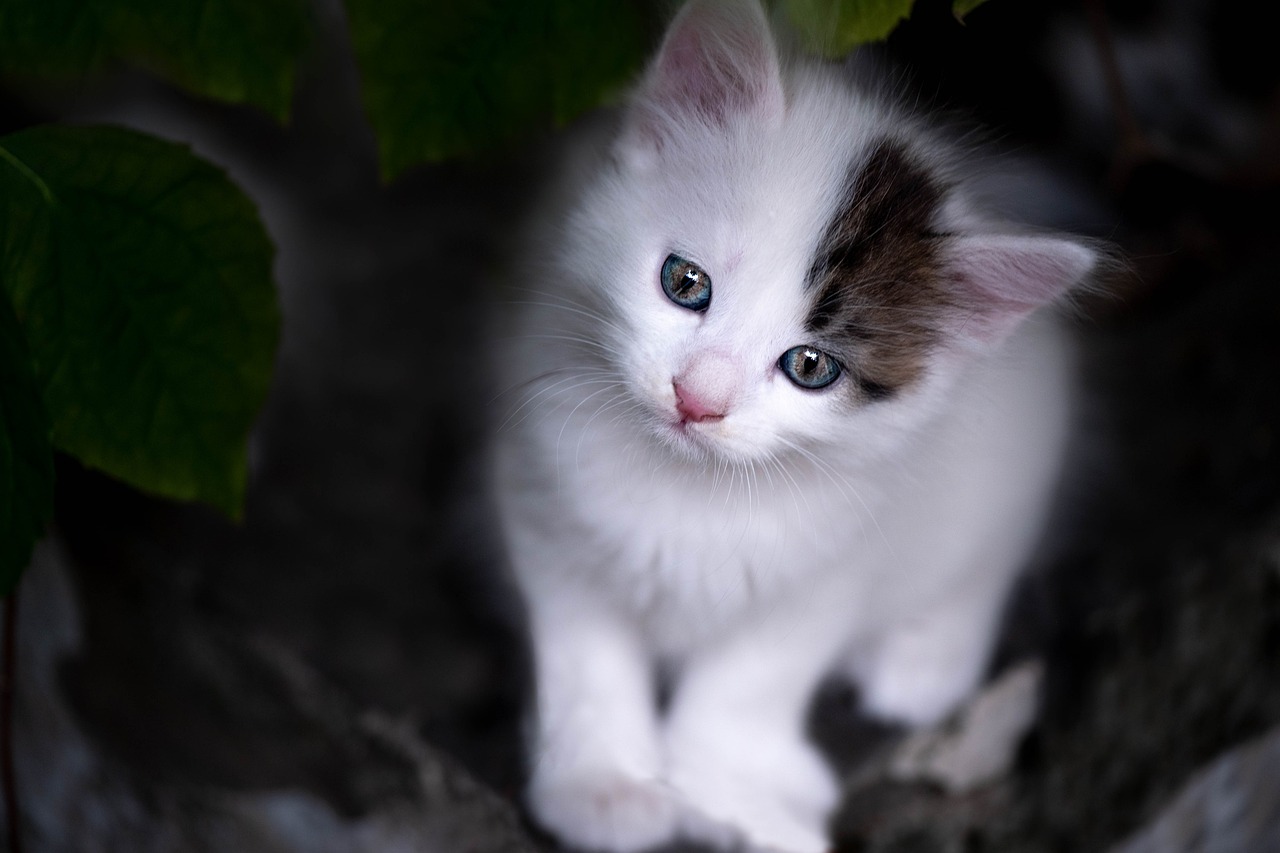

Adoption Stories: Successes in Improving Cat Mental Health
Adopting a cat involves profound decisions that can affect a feline’s mental health significantly. When cats transition from shelters to loving homes, the adaptation process may determine their behavior. In success stories, many cats have blossomed emotionally thanks to patient owners, demonstrating well-adjusted lives. A remarkable case is Luna, a shy tabby rescued from a local shelter. Her adopter was aware of the importance of creating a safe space for her. Initially frightened, Luna gradually found solace in her new environment. With gentle encouragement, she began to explore her new home, showcasing the transformative impact of love and understanding. Each positive interaction led to a stronger bond between them, highlighting the foundational role human stewardship plays in rehabilitating adopted cats. Moreover, sharing such adoption stories fosters awareness in communities. They illustrate that with time and care, formerly anxious cats can flourish. By investing effort into their mental wellbeing, owners have the power to alter a cat’s life trajectory significantly, reaffirming the emotional abilities of our feline friends. This collective journey aids in promoting more successful adoptions across neighborhoods and shelters alike, making a notable difference locally.
Another inspiring journey is that of Max, a once-abandoned Siamese cat. His transition from an isolated street life to a nurturing home was incredible. After initially being wary of human touch, his new owner, driven by compassion, understood the necessity of patience. Daily interactions, including gentle petting and soothing words, helped Max acclimate to his surroundings. After a few weeks, he began to trust his owner, revealing the remarkable resilience of cats. Utilizing playtime as bonding sessions allowed Max to engage actively and explore his inner personality. With every pounce and playful meow, he showcased his progress. Many owners notice similar behavioral changes when they approach their feline friends with care. The emotional bond formed during these periods directly influences their mental state, fostering happiness and reducing anxiety. Importantly, knowledge plays a key role in these transformations. Educative resources about feline behavior can empower adopters, aiding them in developing strategies that enrich their lives. Furthermore, engaging with local shelters or adoption organizations can provide owners with invaluable tips to streamline their cat’s transition. In essence, each success story emphasizes how mutual effort can promote and enhance the emotional and psychological welfare of adopted felines.
The Role of Environment
Creating a safe and stimulating environment is crucial for a cat’s emotional wellbeing after adoption. For example, Tigger, a lively orange tabby known for his intrepid spirit, faced struggles when initially moving to a new home. His owner quickly recognized that enriching his space was vital for a happy transition. They filled the house with toys, climbing structures, and cozy napping spots, allowing Tigger to feel secure and engaged. Cats like Tigger flourish with proper stimuli, promoting healthy expressions of their natural instincts. Recent studies link environmental enrichment directly to reducing stress levels in adopted cats. Additionally, understanding feline behaviors can minimize confusion during the adjustment phase. Providing hiding spots and vertical spaces can give them refuge during overwhelming moments. Many successful adoptions highlight how purposeful environments contributed to happier cats. Encouraging explorative behavior often translates to higher confidence levels. Moreover, setting up interactive playtimes between cats and their owners further establishes trust. As Tigger adapted to his enriched surroundings, his playful nature became more pronounced, establishing a joyful dynamic between owner and pet, demonstrating that thoughtful environments can significantly enhance mental health.
Another exemplary case in this narrative is Bella, a sensitive feline found wandering alone. Upon adoption, her new family was immediately aware of her anxious demeanor, which needed urgent attention. They employed various strategies to enhance Bella’s confidence, along with elevating her mental health. One innovative method included creating a designated sanctuary area with calming scents, soft bedding, and precious toys. This new space provided Bella an oasis away from household activity. Over time, she began to explore beyond her sanctuary, gradually revealing a playful side. Regular, structured routines also played a pivotal role in Bella’s upbringing. Cats thrive on predictability; therefore, her family established feeding schedules and playtime, encouraging her to engage more. Moreover, enrichment activities like puzzle feeders aided in promoting cognitive stimulation, giving Bella the mental exercises essential for her adaptation process. Each adjustment deepened their emotional connection. Additionally, sharing Bella’s story among community members fostered understanding and inspired others. Adoption stories like Bella’s clarify that empathy and structured environments contribute significantly to a cat’s mental health, reinforcing the belief that every cat deserves a second chance with the right care, enabling even the most anxious to thrive.
Community Awareness and Support
The success of cat adoptions sheds light on the need for broader community awareness regarding feline mental health. For instance, community events promoting responsible pet ownership can play a significant role. Through these events, stories of successful cat adoptions are shared, encouraging potential adopters to consider the emotional wellbeing of their future pets. Education boosts recognition of feline behaviors and fosters empathy, leading to more informed decisions when adopting. More so, local shelters often provide invaluable insights into recognizing signs of stress and anxiety in cats. They promote mental health initiatives tailored for recently adopted cats. To illustrate, a local shelter began a program where they share engaging workshops focused on creating enriching home environments for adopted cats. Through collaboration between shelters and pet owners, shared goals emerge, ultimately contributing to a healthier community of cats. Furthermore, celebrating success stories encourages aspiring owners to take that crucial step toward adoption. By helping others understand the mental health aspects of feline pets, community efforts influence the overall adoption rates positively. A deeper connection among all stakeholders encourages enduring partnerships focused on improving feline lives, fostering environments of love and understanding.
Moreover, social media has become a powerful tool in disseminating stories about successful cat adoptions. Platforms allow current pet owners to showcase their journeys, illustrating how patience and commitment yield positive results. For example, the story of Zoe, an anxious Persian cat, went viral when her adopter documented her transformative journey online. This not only highlighted the challenges but emphasized the rewards of nurturing vulnerable cats. By sharing videos and photos, owners inspire countless aspiring adopters, offering reassurance that sensitive noticing is foundational for success. Each post can spark discussions around fostering understanding within communities. Social media thus becomes essential in spreading awareness about even the most challenging transitions. Furthermore, these platforms can serve as a resource for sharing strategies and tips. Many owners exchange experiences, offering support and insights born from their own challenges and victories. The ripple effect created encourages more individuals to consider adoption, driving community engagement and fostering a culture of empathy. Ultimately, every cat’s success story enriches the collective narrative, creating a collective momentum that champions mentally healthy adoptions and enhances the lives of feline friends nationwide.
Long-Term Commitment
Each successful adoption story highlights the importance of long-term commitment in ensuring mental health for cats. Consider the experience of Charlie, a rescued Maine Coon who faced several behavioral challenges. His adoptive family recognized that fostering emotional growth required consistent efforts, highlighting their dedication to his well-being. Regularly investing time in training and socialization helped Charlie develop confidence, ultimately transforming his anxiety into a peaceful disposition. Owners must understand that adopting a cat is a lifelong commitment, which extends far beyond providing food and shelter. Investing in their mental health leads to better adjustment and fulfilling lives. Moreover, creating routines fosters trust, while ongoing interactions reinforce the bond between owner and cat. Regular veterinary visits ensure mental health issues are detected early. Charlie’s family employed a holistic approach, integrating playtime, socialization, and health checks into their routine. As they persevered, they witnessed remarkable changes in him. In addition to molding a beautiful companionship, such commitments result in communities rich in responsible pet ownership practices, turning stories like Charlie’s into engaging testimonials for the importance of love, patience, and commitment, emphasizing that each cat’s journey continues with ongoing care.
In conclusion, adopting a cat positively affects their mental health when approached with the right mindset. Successful stories—like that of Luna, Max, Bella, Tigger, and Charlie—demonstrate the transformative power of empathy, patience, and commitment in shaping a quality life for a cat. Through enriching environments, community awareness, and ongoing support, these cats embark on journeys of recovery and happiness, inspiring others to offer a second chance. These narratives resonate, emphasizing that a loving home can profoundly impact a cat’s mental state. By sharing success stories, we highlight how collective efforts can lead to positive change for countless cats awaiting adoption. Communities can champion these messages via education and social media engagement—enhancing understanding among all parties involved. Therefore, it is crucial to advocate for responsible adoption practices, rooting for every cat’s well-being. Ultimately, the process of adopting a cat can lead to fulfilling relationships full of joy, companionship, and understanding. As such, we all must work together to elevate the discourse surrounding cat mental health. Through collaboration and dedication, we can help every cat find a secure and loving home while promoting a culture of compassion toward our feline companions.