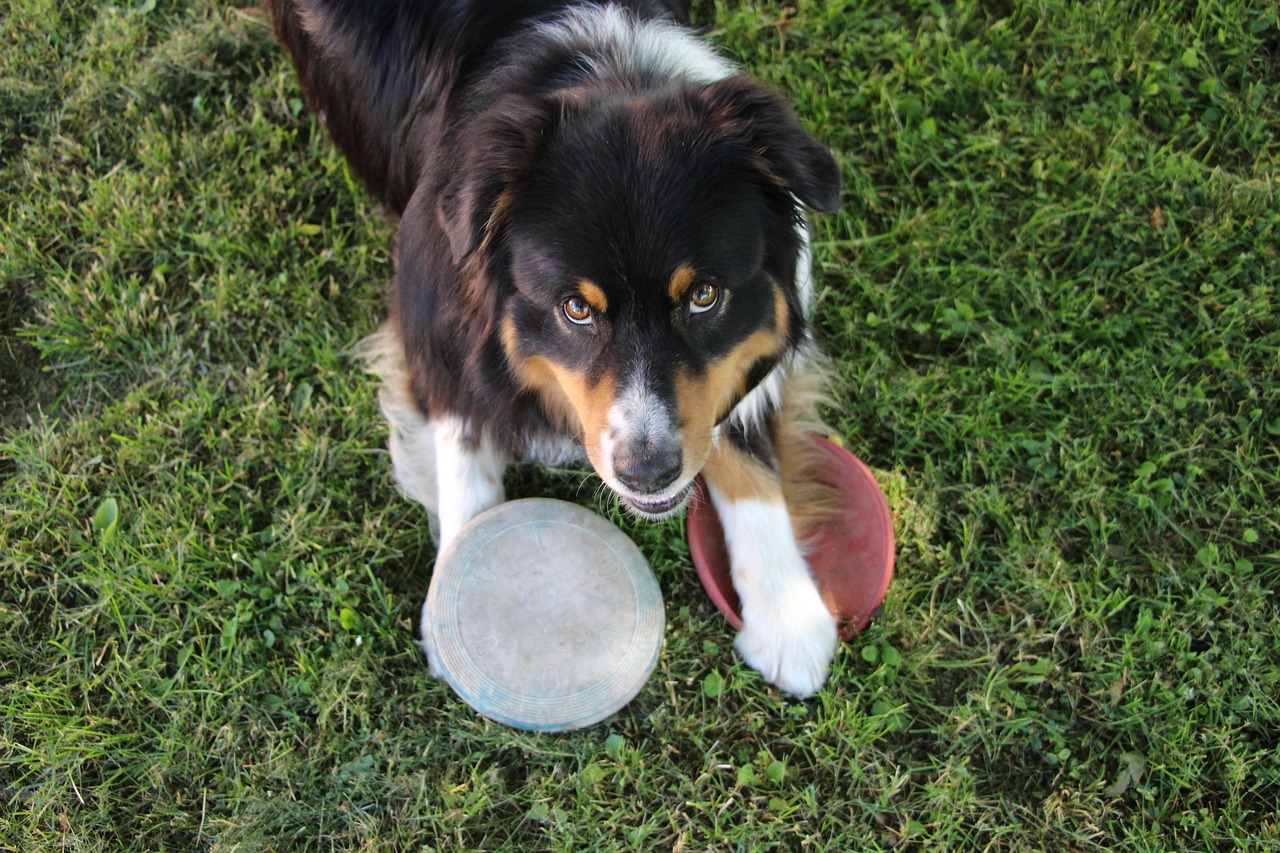

Combining Agility Training with Frisbee Skills
When considering dog sports, frisbee is an excellent option that combines fun and skill development. Many dog owners are often amazed at how easily their dogs can learn to play frisbee. However, elevating your dog’s frisbee skills requires a foundation of agility training. Agility training helps dogs improve their coordination, speed, and confidence. These attributes are critical when it comes to catching and fetching a frisbee. To effectively teach your pet the necessary frisbee skills, consider combining them with agility drills, thereby creating a holistic training approach. This combination not only benefits frisbee playing but also enhances other dog sports overall. Additionally, agility training imparts discipline and focus to dogs, enabling them to learn more quickly. Furthermore, various agility equipment can serve as obstacles to train your dog’s speed and precision. Common agility tools include weave poles, jumps, and tunnels. By integrating these tools into your frisbee training sessions, your dog’s performance in catching frisbees will greatly improve. It’s essential to maintain a fun atmosphere throughout training to keep your dog motivated. Using treats and praises as rewards can also boost their consistency and willingness to learn.
Frisbee skills go beyond just the catch; they also involve proper throwing techniques and strategic running. Teaching your dog to respond to cues when it’s time to jump is an essential skill. Using agility drills, you can train your dog to anticipate where the frisbee will land. This anticipation not only improves your dog’s catching ability but also builds their confidence. For starters, practice basic throwing techniques that will create different trajectories for the frisbee. Start with short distances before gradually increasing the range. You can use bright, lightweight frisbees designed specifically for dogs to make it easier for them to catch. When practicing, allow your dog freedom to explore and react to the frisbee’s movement. A positive reinforcement system, utilizing treats and verbal praises, substantially helps in maintaining focus and reinforcing correct behaviors. Gradually introducing agility moves while incorporating frisbee throws creates an exhilarating challenge for your dog. It’s important to allow rest periods, especially after a good training session. This prevents fatigue, ensuring your dog’s physical and mental health are prioritized. Engaging with your dog through these combined activities fosters a special bond while enhancing their frisbee skills.
Building Core Skills
A crucial aspect of both frisbee and agility training is building core skills, such as focus and stamina. Engaging in agility drills helps your dog focus on specific tasks while developing their stamina. As a result, they become better prepared for frisbee activities, showcasing improved results on the field. One effective exercise involves timing your dog’s movements while they navigate around agility equipment. This can maximize their efficiency when chasing a frisbee. Gradually increase the complexity of the skills being introduced to ensure that your dog remains engaged and isn’t overwhelmed. Incorporating commands such as “sit”, “stay”, and “come” while training ensures they understand the basics. These commands will act as the foundational language between you and your dog during both frisbee throws and agility activities. Additionally, maintaining a routine helps instill the necessary discipline within your pet. A solid routine also ensures that your dog knows when to expect training sessions. Encouraging your dog to participate in these activities creates anticipation, making training a positive experience. Eventually, these core skills will come together to maximize your dog’s effectiveness and enjoyment of the sport.
Diverse training exercises can be integrated into your frisbee sessions, promoting well-rounded skill development. For instance, you can implement jumps during frisbee playing, encouraging your dog to leap for the catch. This enhancement of physical capabilities not only makes them a better frisbee player but also advances their overall fitness. It’s pertinent to remember that every dog is unique. Thus, adapt your training practices to fit their individual needs and energy levels. By recognizing their personality traits, you can tailor frisbee and agility activities to ensure maximum engagement and understanding. Incorporating variations in play styles, such as mixed speed and strategies, can also enhance their overall experience. As your dog grows more accustomed to these activities, begin to introduce competitive aspects, such as timed challenges. This will allow them to measure their improvements and stay motivated. Additionally, joining a local dog agility or frisbee club can provide a supportive community to enhance your dog’s learning experiences. These interactions promote social skills while engaging in enjoyable activities. Such clubs often host competitions, offering your dog opportunities to showcase their skills among other enthusiastic pets.
Creating a Consistent Routine
Establishing a consistent routine for your combined frisbee and agility training is essential. Dogs thrive on predictability and structure, enabling them to adjust and learn more effectively. Ensuring a consistent training schedule helps to solidify their learned skills, ultimately translating into better frisbee performance. Choose specific days and times for training, and stick to this schedule to create a habit. This will help your dog learn what to expect and prepare mentally for the sessions. Varying the training locations can maintain your dog’s interest while exposing them to different environments. Engaging training scenarios can create a stimulating atmosphere. During training sessions, keep the energy levels high. Use positive reinforcement techniques to reward successes, regardless of how small they may seem. Celebrate little victories, as these can foster enthusiasm and encouragement for your dog. Social interactions with other dogs during training can also motivate your dog to participate more actively. Try scheduling playdates or group sessions with fellow dog owners who share a passion for frisbee. This not only enhances your dog’s skills but also provides valuable social experiences that contribute to their growth.
Nutrition and overall health play a significant role in the successful completion of frisbee and agility training. Ensuring your dog receives a balanced diet aids their performance, stamina, and recovery processes. Consult your vet about the best food options and any supplements your dog may require. Proper hydration is another vital aspect of training, as it keeps your dog’s energy levels up. Before engaging in strenuous activities, ensure your pet is adequately hydrated. Additionally, consistent exercise outside of frisbee and agility training will help improve their overall fitness. Engaging in daily walks and playtime creates a foundation for healthier lifestyle habits. Regular vet check-ups will help identify any health issues early on, safeguarding your dog’s well-being. Pay attention to any signs of fatigue or distress during training, as this may indicate the need for adjustments. Prioritize rest and recovery, especially after rigorous training sessions. By addressing your dog’s nutrition and health needs, you’ll not only see improvements in frisbee skills but also ensure that your companion thrives in all aspects of life. This approach will lead to a happy and healthy dog ready to take on new challenges.
Joining a Community
Getting involved in a dog sports community can greatly enhance your frisbee and agility training journey. Connecting with individuals who share similar interests and experiences creates a valuable support system. Engaging with fellow dog enthusiasts will provide insights, tips, and encouragement that can help your dog excel in their training. Many communities organize events, classes, and competitions, which can be fantastic opportunities for your dog to practice their skills in real situations. Not only do these events provide practice, but they also promote socialization among dogs. This exposure can help alleviate any fears or apprehensions your dog may have when playing with others. Joining clubs or searching for training groups in your area can be an effective way to meet others involved in dog sports. Plus, sharing experiences will help you develop training strategies that may be more effective in improving your dog’s frisbee skills. In addition, learning from experts in the field can elevate your training program. Consider attending workshops to deepen your understanding of frisbee techniques and agility training. This engagement can reinvigorate your training sessions and foster growth in both your dog and yourself.
Encouraging ongoing learning and evolution within your dog’s frisbee skills can keep the training process fresh and exciting. Constantly updating your approaches will ensure you and your dog are continually improving together. Seek out new techniques or strategies via online platforms, books, or local professionals. Experimenting with various training methods can help you find what works best for your dog. Moreover, focusing on fun and enjoyment should always be the priority. The time spent training can strengthen your bond while fostering a love for the sport. Scheduling regular training check-ins allows you to assess your dog’s progress and celebrate achievements, large or small. Sharing these milestones with friends or within your community can enhance both your motivation and your dog’s. Allow opportunities for downtime and play, ensuring your dog’s training remains enjoyable and engaging. Frequent positive reinforcement serves not only to encourage the behavior desired but also reinforces the bond you share with your dog. Exploring new frisbee games or agility challenges can maintain interest and excitement throughout your training journey. This gives you and your pup something to look forward to during each session.