
How to Identify Vitamin Deficiencies Affecting Your Dog’s Coat
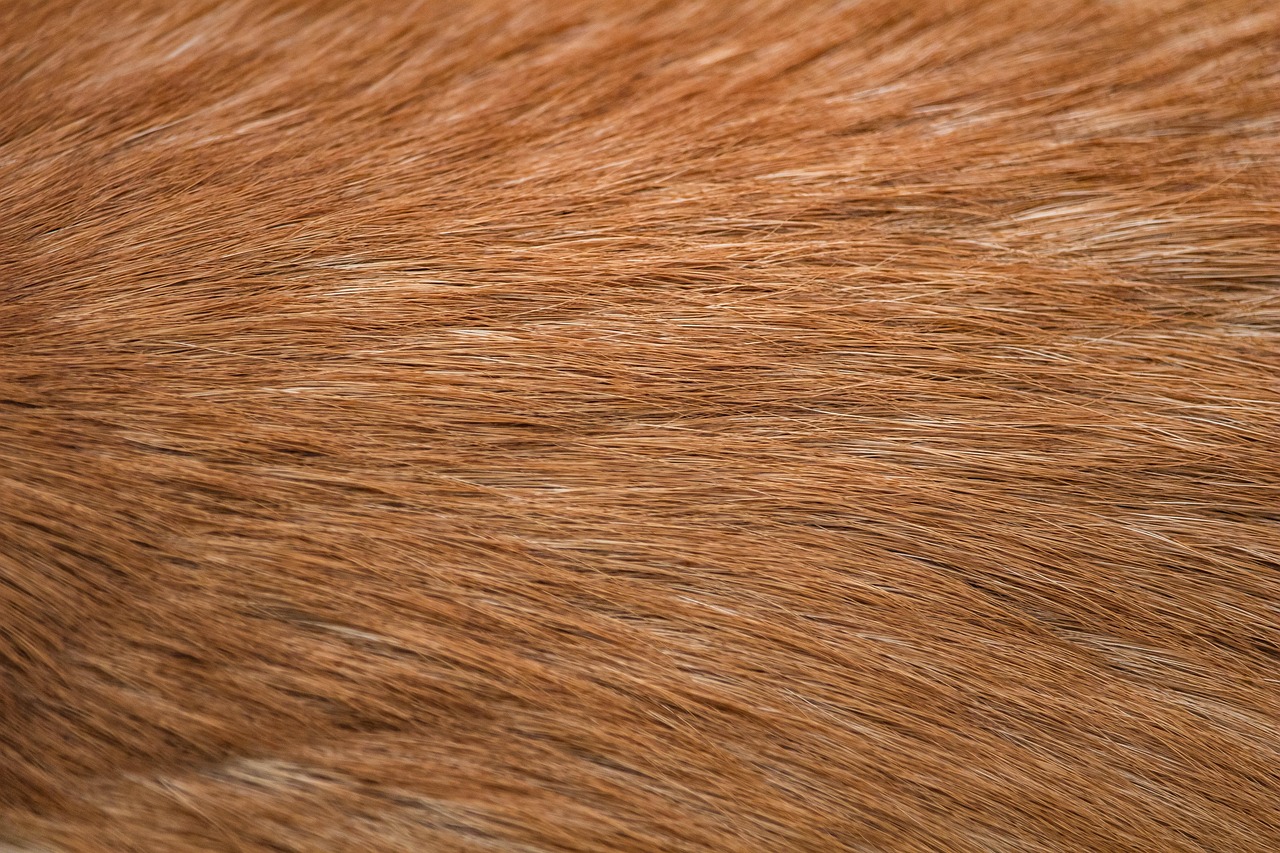
Identifying vitamin deficiencies in your dog is crucial for maintaining their overall health, particularly for skin and coat health. Dogs, much like humans, can experience various deficiencies that affect how their coat appears. A shiny, vibrant coat can indicate good health, while a dull, patchy coat may signal nutritional gaps, specifically in vitamins such as A, E, and Biotin. To assess your dog for vitamin deficiencies, observe any notable changes in their fur and skin. Look out for excessive shedding, dryness, or itchy skin. If you notice these signs, it might be time to consult your veterinarian. They can perform diagnostic tests to identify specific deficiencies and recommend appropriate supplements or dietary adjustments. Furthermore, regularly feeding your dog high-quality food rich in natural vitamins can help prevent deficiencies from developing. Keeping their diet varied can support their vitamin intake. Additionally, supplements may be necessary in some cases, but vet guidance is essential to avoid complications. Ensuring your dog receives adequate nutrition will support their overall health and happiness, allowing their coat to thrive.
Understanding Essential Vitamins for Dogs
Vitamins play a vital role in your dog’s health, including their skin and coat well-being. Vitamin A, for instance, is essential for maintaining healthy skin; it promotes cell turnover. A lack of vitamin A can lead to dry skin and subsequently a lackluster coat. Vitamin E serves as a potent antioxidant that protects skin cells from damage, ensuring a healthy and shiny coat. On the other hand, B vitamins, such as Biotin, are crucial for coat strength and growth. If your dog is lacking Biotin, you might observe thinning fur or even hair loss in patches. Another key player is Omega fatty acids; they support coat hydration and reduce inflammation in the skin. If your dog’s coat appears dull and lacks luster, consider examining their diet for these essential vitamins. Sometimes, adding a dietary supplement might be necessary to ensure they’re getting all required nutrients. Ensure you read labels carefully and invest in high-quality products to ensure effectiveness. Always consult with your vet before starting any changes to your dog’s diet or vitamin supplementation program to ensure it meets their unique needs.
The next step in identifying potential deficiencies is to observe your dog’s behavior and overall health. Regular assessments of your dog’s dietary habits, feces, and energy levels provide key insights. If your dog shows less enthusiasm during walks or playtime, nutritional deficiencies might be causing lethargy. Similarly, pay close attention to their skin and coat; signs of irritability, itching, or inflammation can be red flags indicating that something is off. These symptoms could mean that they are not receiving crucial nutrients necessary for healthy skin and coat maintenance. Moreover, try tracking your dog’s weight and physical condition, as nutritional issues often manifest in physical changes. Incorporating different food groups into their diet can help improve their nutrient profile. A balanced combination of proteins, carbohydrates, and fats is crucial, along with sufficient vitamins. Make sure to introduce any new foods gradually to avoid gastrointestinal disturbances. Always favor whole food options rich in nutrients over processed foods that may lack essential vitamins. Keeping a keen eye on your dog’s overall behavior and coat condition will help you intervene early and ensure their long-term health.
When to Consult a Veterinarian
If you are concerned about possible vitamin deficiencies in your dog, consulting a veterinarian is always a wise choice. Vets have specialized knowledge and tools to help diagnose nutritional issues accurately. They can tailor recommendations based on your dog’s breed, age, and specific needs. Routine check-ups also allow for timely identification of potential deficiencies before they develop into more serious health problems. Don’t hesitate to reach out if your dog exhibits concerning symptoms like skin irritation, excessive scratching, or unusual coat loss. It’s important to act quickly because some deficiencies can lead to chronic health issues if not addressed. Your veterinarian might suggest a series of blood tests to ensure a comprehensive view of your dog’s nutrient levels. Depending on the results, they will advise on dietary changes, possibly suggest specialized dog foods, or recommend supplements rich in the necessary vitamins. This ensures your dog receives what they need for optimal skin and coat health. Remember, taking proactive measures can often prevent more significant health concerns in the future.
When it comes to maintaining your dog’s skin and coat health, prevention is key. Providing a diet rich in vitamins is essential for bolstering their immune system. Incorporate foods that are naturally high in vitamins, like salmon for Omega fatty acids, spinach, and carrots for vitamin A, and eggs loaded with Biotin. A holistic approach to dog nutrition, prioritizing balanced meals, and suitable supplements can enhance their overall health and prevent deficiencies. Additionally, consider the importance of hydration; water plays a critical role in maintaining skin elasticity and overall health. Always ensure your dog has access to fresh water and encourage them to drink regularly. Combining good hydration with vitamin balance creates a perfect environment for achieving a shiny coat and healthy skin. Finally, regular grooming, such as brushing sessions, can help remove dead hair and stimulate oil production, improving coat shine. Make grooming an enjoyable bonding experience, reinforcing positive associations during maintenance routines. This proactive prevention strategy empowers you to support your dog’s health while emphasizing their unique nutritional needs.
Conclusion on Dog Vitamin Health
In conclusion, recognizing vitamin deficiencies affecting your dog’s coat requires keen observation and understanding of their nutritional needs. A shiny, healthy coat reflects overall well-being, highlighting the importance of vitamins like A, E, D, and B. Regular check-ups with your veterinarian will aid in early detection of any potential issues. Adapting your dog’s diet to include a balanced mix of high-quality foods, paying attention to individual needs, will support their health. Investigating the ingredients of your dog’s food is vital; not all brands offer the vital nutrients necessary for optimal coat health. Furthermore, don’t hesitate to add quality supplements as directed by your vet. Maintaining an open dialogue with your veterinarian ensures tailored care for your dog’s unique lifestyle. Share any concerns you may have about your dog’s coat condition to allow for prompt intervention when necessary. Ultimately, a consistent and well-rounded approach to nutrition empowers your dog to live life in full vitality. With your support, your dog can achieve not only a beautiful coat but overall health and happiness.
By prioritizing your dog’s dietary needs, ensuring they receive the proper vitamins and nutrients, you are setting them up for a lifetime of health. Identifying early signs of deficiencies can prevent further complications and contribute significantly to their quality of life. Always remember that your efforts in maintaining their nutrition are investments in their future well-being. The tools and strategies discussed will assist you in establishing a routine that emphasizes the importance of vitamins in your pet’s life. Whether through food or supplementation, every effort counts in nurturing your furry companion’s happiness. Establish a trusting relationship with your vet, creating a caring team dedicated to your dog’s health. The bond you share with your pet is enriched by mutual care and understanding of their health. In turn, providing for them encourages a long, fulfilling life together. Follow the guidelines shared here as you embark on this journey to uphold your dog’s skin and coat health. By identifying any deficiencies early, you ensure a joyful, healthy life filled with playful moments for your beloved dog.
Consider creating a feeding schedule that prioritizes balanced meals filled with essential vitamins and nutrients. Feeding them consistently with fortified and high-quality food means they get the vitamins crucial for maintaining beautiful coats. Many pet owners find success with homemade dog food recipes that allow them to control the ingredients. Coupling this with the appropriate supplementation can enhance and protect your dog’s overall health. Keeping your dog active and engaged is another way to promote their well-being; exercise can improve circulation, affecting coat health positively. Engaging with toys, walks outdoors, and socialization contribute to their happiness. Ensure they have time to explore their environment; mental stimulation and appropriate physical activity are essential components of healthy living. Always be on the lookout for signs of stress or discomfort, as they can show skinny or dull coats. Keep adapting your strategies based on your dog’s specific needs to support their individual health journey. Ultimately, a well-rounded approach fosters a better lifestyle for your furry friend, leading to a vibrant coat and vitality.