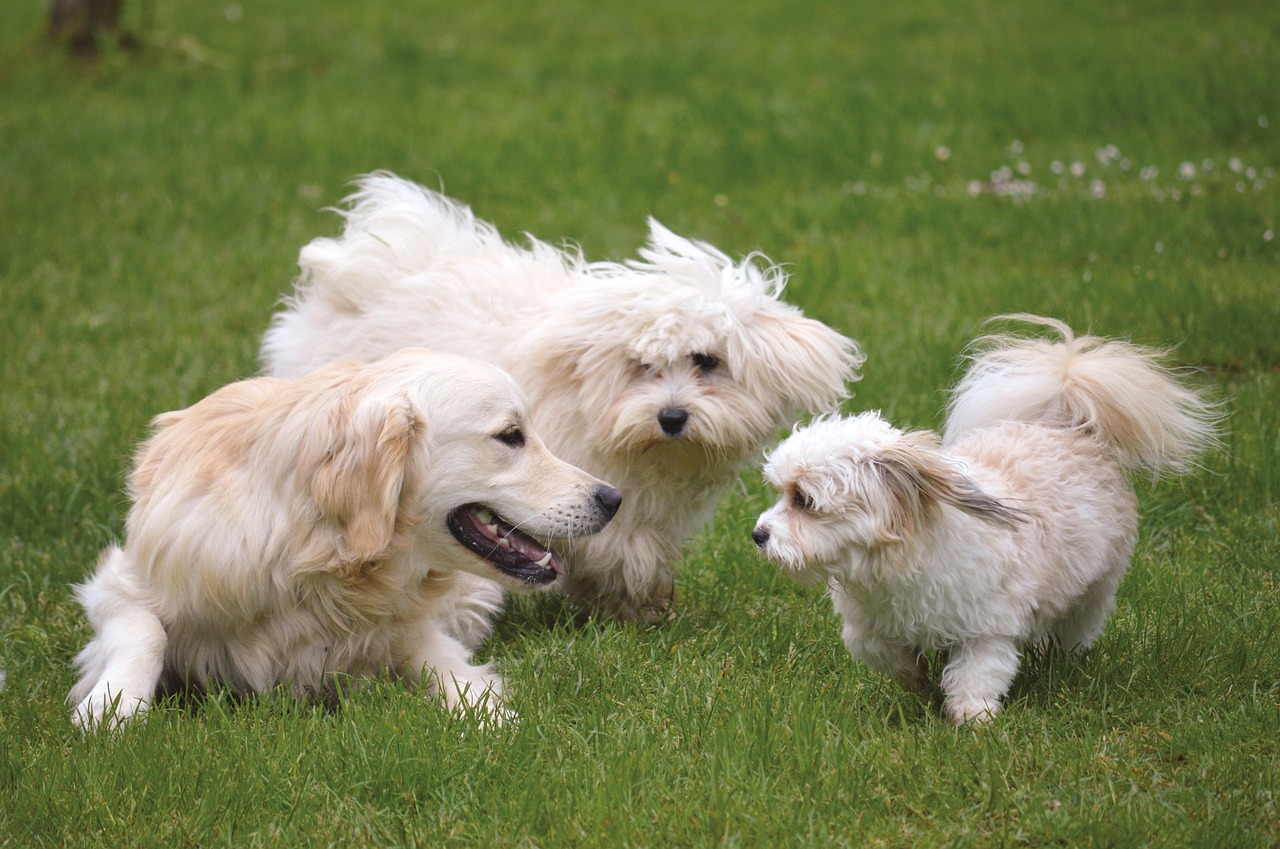

Understanding the Critical Socialization Periods in Dogs
Socialization is an essential process in a dog’s development and wellbeing, shaping its behavior and temperament. The critical socialization periods provide vital opportunities for positive interactions. These stages influence how a dog responds to various environments, people, and other animals. Early experiences during this timeframe can significantly reduce behavioral problems later in life. Therefore, recognizing and utilizing these socialization windows is crucial for any dog owner. During these periods, puppies learn to adapt and feel secure in their surroundings. They exhibit curiosity and enthusiasm, making it an excellent time for exposure to diverse stimuli. Other dogs, sounds, and sights should come into play, ensuring a well-rounded development. If these opportunities are missed or poorly managed, behavioral issues such as aggression or fearfulness can stem from a lack of exposure. Moreover, interactions with other dogs promote appropriate play styles and communication skills, vital for their social maturity. Dog trainers and owners should strive to make these experiences positive, so puppies grow into balanced and well-adjusted adults. Always remember that this is a critical time that should never be overlooked.
The Importance of Early Socialization
One significant aspect of early socialization is that it occurs from the age of three to fourteen weeks, a period where a puppy’s brain is exceptionally receptive to new experiences. During this time, exposure to various stimuli helps shape the puppy’s long-term behavioral patterns. Environments that are varied and engaging foster resilience in the face of stressful situations. Experiences like visiting busy parks, mingling with different dogs, and meeting various people contribute to building a confident animal. Owners are encouraged to introduce their puppies to a multitude of sights, sounds, and scents. The variety ensures the puppies do not become overwhelmed as they grow older. Additionally, between this period, puppies learn body language and play etiquette from their peers which helps in establishing confidence. By fostering good early experiences, owners can greatly reduce the risk of future anxiety or aggression issues, making dogs healthier and happier. As they age, the impressions made during this time become the foundation upon which they will build future interactions. Therefore, focusing on positive exposure to a wide range of environments is essential.
Beyond the age of fourteen weeks, the window of socialization begins to narrow, but this does not mean socialization should cease. Continuation of exposure is still critically important until the dog reaches six months of age. Education about the ongoing benefits during this later stage aids in comprehensive development. Owners should not rely solely on early experiences; ongoing interaction remains necessary for maintaining social skills and confidence. Regular outings, playdates with familiar dogs, and continued training classes can reinforce learned behaviors and encourage ongoing positive experiences. Importantly, the absence of social activity can lead to fear-based responses in more sensitive dogs. By facilitating controlled and positive social experiences, you can help your dog become adaptable and curious throughout its life. It is through these progressive interactions that a dog continues to learn appropriate responses to new scenarios. Building a dog’s world through continued socialization further ensures pleasant experiences, reinforcing trust between the dog and its owner. Thus, ongoing interaction remains vital to ensure dogs remain comfortable in diverse environments as they mature.
Recognizing Signs of Poor Socialization
There are unmistakable signs indicating that a dog may not have been properly socialized. These signals often manifest as fearful or aggressive behaviors toward new stimuli such as people, situations, or other dogs. Understanding these signals is crucial to rectify previous socialization oversights. Some potential red flags include excessive barking, lunging, or submissive behavior under stress. These can negatively affect the dog’s interactions with its environment. In severe cases, such displays can lead to encounters where the dog may harm itself or others. Recognizing when your dog is uncomfortable allows for appropriate handling and management. Seeking professional assistance early can help reshape these negative patterns. Training such dogs requires a gradual approach, focusing on positive reinforcement methodologies to mitigate fear responses effectively. By practicing patience and providing the dog with a supportive environment, you can gradually guide it back on the right path. Proper guidance from experienced trainers can also facilitate improved trust between the dog and its owner, giving rise to more positive interactions. The earlier the issues are addressed, the better the possibility of a successful re-socialization.
It is essential to emphasize that socialization should never be a one-time event but rather a continuous journey throughout a dog’s life. Engaging dogs in regular, varied experiences can help reinforce the lessons learned during their critical socialization periods. This ongoing exposure can be ensured through structured training programs and social outings, which are invaluable in providing new skills. Regular interactions in different contexts allow dogs to generalize appropriate behaviors and modify their responses accordingly. This make it easier for dogs to adapt to novel environments and circumstances. Taking a proactive approach creates an enriching life, enhancing reliance on their owners for guidance during new experiences. It’s important to note that as dogs age, their energy levels and needs may change, which should also direct how they are socialized. Younger puppies may thrive in high-energy environments, while older adults may prefer calmer settings. Be attentive to your dog’s personal preferences and modify outings based on their comfort. This adaptability ensures a well-balanced social integration, allowing your dog to flourish in various circumstances.
Building a Positive Socialization Environment
Creating a positive socialization environment is vital for fostering confidence and ease in dogs. A supportive atmosphere enables dogs to explore with less anxiety and to build favorable associations with new experiences. Owners play a pivotal role in establishing this environment by commanding through calm demeanor and encouraging exploration. When introducing your dog to new experiences, positive reinforcement through treats and praise helps build positive associations. When the dog encounters something unfamiliar, stay calm and maintain the reassurance they need. This lessens anxiety, enabling them to approach new things with curiosity rather than fear. Additionally, socialization should never be rushed; consider the dog’s comfort level during new introductions to ensure a healthy pace. Dogs should not feel overwhelmed, leading to adverse experiences that could hinder future socialization efforts. Gradually increasing exposure helps make canines more adaptable. Create safe spaces where your dog can meet other dogs and ensure interaction scenarios are managed. Positive experiences are key to constructing a well-adjusted canine who can confidently face the world.
Ultimately, the commitment to an effective socialization practice carries profound implications for a dog’s happiness. Ensuring your canine friend engages positively with their environment throughout their lifetime solidifies their role within the family unit. A socially balanced dog often leads to deeper bonds between humans and animals, resulting in a fulfilling companionship. Engaging in socialization activities strengthens both the dog’s skills and the bond you share. Always keep in mind the social needs of your pet as they age. As they progress through life stages, consult with expert trainers or behaviorists to ensure compatibility with different adjustments. Make it an adventure by allowing the dog to explore various elements of their surroundings through guided exercises and playdates. Regular socialization is an investment in the long-term emotional stability of your dog, allowing it to thrive in diverse situations and circumstances. Keeping your dog engaged in social opportunities promotes overall well-being and builds resilience, enabling a rewarding quality of life. Therefore, owners need to be proactive and adaptable to their dog’s evolving needs, ensuring the best experiences possible.