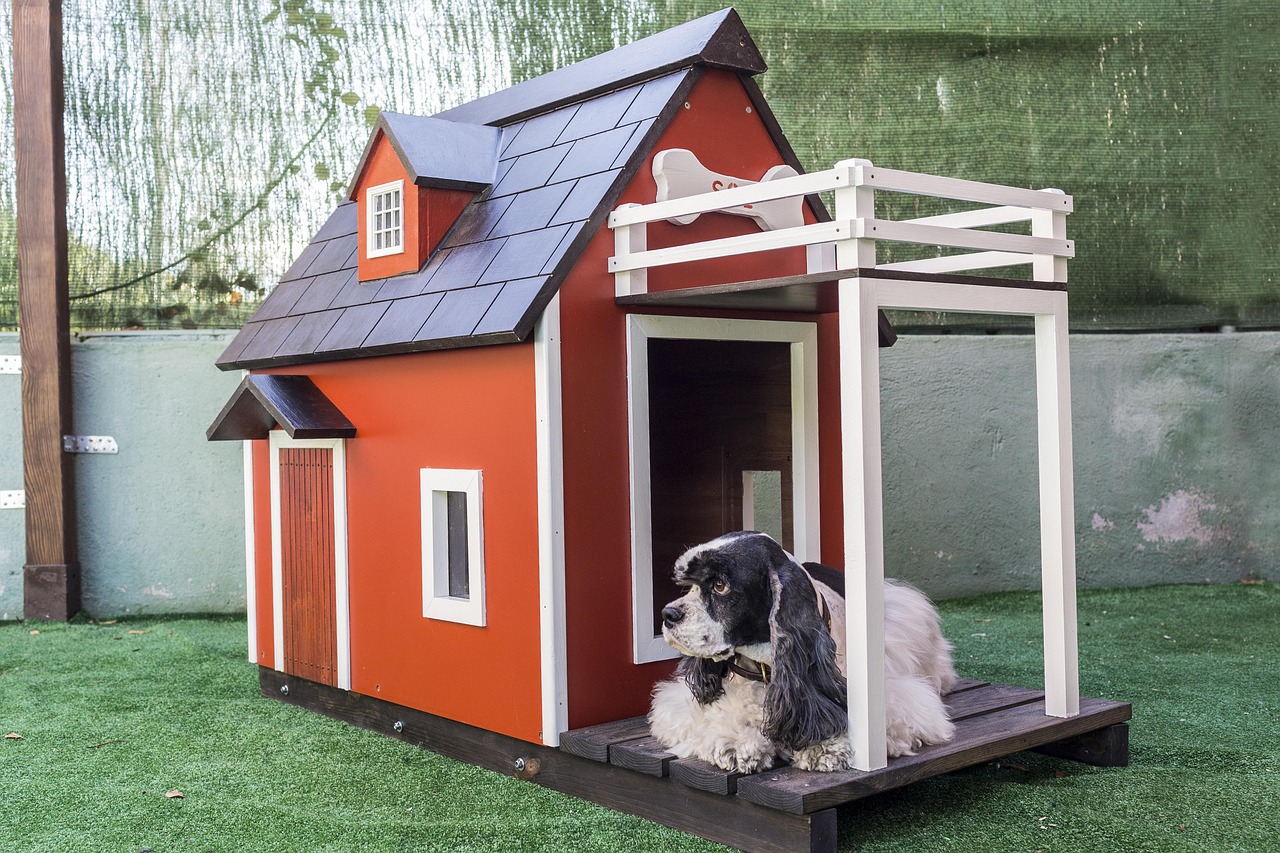

Comparing Plastic vs Wooden Indoor Dog Houses
When it comes to indoor dog houses, pet owners often find themselves deciding between plastic and wooden options. Each type has its distinct advantages and drawbacks, significantly affecting both the comfort of your pet and the convenience for you as a pet owner. A plastic indoor dog house is typically lighter, making it easier to move around. Moreover, these houses are usually water-resistant, providing a suitable choice for environments with higher humidity. However, they might lack the insulation that wood provides, particularly in colder climates. On the other hand, wooden dog houses tend to come with superior insulation properties, ensuring that your dog remains warm in winter and cool in summer. They also typically have a more attractive appearance, fitting nicely into home décor. Though they can be heavier than their plastic counterparts, wooden houses often offer better durability if treated appropriately, making them a long-term investment. To make an informed choice, it’s essential for pet owners to evaluate both options based on their dog’s needs, their home environment, and personal preferences.
Durability of Materials
Durability is a crucial consideration when comparing indoor dog houses made from plastic and wood. Plastic dog houses are generally resistant to moisture and can withstand spills, making them ideal for messy pets. However, despite their robustness, they can become brittle over time and may crack if exposed to extreme temperatures. This characteristic can affect longevity if the indoor environment fluctuates significantly. In contrast, wooden dog houses, when properly maintained and treated, can last a much longer time. Wood can withstand various conditions while adding a natural look. Nonetheless, wood can be prone to damage from humidity, pests, and rot without adequate protective treatments. Maintaining a wooden house requires regular upkeep, ensuring it retains its structure and beauty. Both materials can offer durability, but the choice largely depends on the living conditions and habits of your dog. Regularly monitoring the condition of either option will ultimately aid in keeping your dog’s home comfortable and safe. Understanding the lifestyle and tendencies of your pet will uniquely inform which material suits your needs best.
Temperature regulation is another critical factor that differentiates plastic and wooden indoor dog houses. It is vital for ensuring your dog’s comfort throughout various seasons. Plastic dog houses often conduct heat poorly, meaning that in hot climates, they may become uncomfortably warm for your pet. In contrast, wooden houses excel at temperature regulation. They tend to maintain an even temperature, providing a cooler environment during hot days while retaining warmth during the chilly nights. This consistent temperature control can significantly enhance your dog’s comfort levels, especially if they spend extended hours inside their designated space. Furthermore, wooden dog houses can be insulated, adding another layer of comfort during winter months, while plastic typically does not provide this option. This inherent property of wood can therefore significantly benefit your dog’s overall health and well-being. As such, if your canine companion is sensitive to temperature changes, the wooden option may cater better to their needs. Each material has traits that affect temperature regulation and should be considered in the overall decision for choosing an indoor dog house.
Maintenance Requirements
The maintenance requirements for indoor dog houses can also vary significantly between plastic and wooden houses. Plastic houses are often viewed as a low-maintenance option. They are easy to clean since they can be wiped down or hosed off to remove dirt, hair, or stains. This convenience makes them perfect for pet owners who prefer a simple routine. However, it’s essential to keep in mind that plastic materials may degrade over time if exposed to harsh cleaning agents. On the contrasting side, wooden indoor dog houses often require a bit more upkeep. Regular inspections for wear and tear, moisture-related damages, or pest infestations are necessary components of maintenance. Additionally, they may require periodic sanding, staining, or painting to prevent deterioration. Proper treatment with weatherproofing agents can also shield wood from moisture damage. While wooden dog houses can cater to aesthetic appeal, they come with a commitment to care. Being aware of the maintenance demands of each material can ultimately determine which house aligns more with your lifestyle and willingness to invest time.
Cost is often a deciding factor when choosing between plastic and wooden indoor dog houses. Generally, plastic dog houses tend to be less expensive upfront. They are usually manufactured on a larger scale and can be mass-produced, making them an economical choice for budget-conscious pet owners. However, this initial cost-saving might come back to haunt you if the plastic requires replacement due to wear or damage sooner than a wooden house. Wooden dog houses may require a higher upfront investment but can prove to be a more sound investment over time for their durability. Additionally, wooden houses often offer customization options, allowing for personalized features that can add value and comfort for your pet. The choice between plastic and wood should carefully consider potential long-term costs and the value of durability. Assessing how much you are willing to invest not only in purchase price but also in maintenance and longevity will guide your decision effectively. Only by evaluating the overall cost of ownership can you truly make a wise choice for your indoor dog housing.
Aesthetics and Interior Design
Aesthetics play a significant role in choosing the right indoor dog house, as it must blend with your home’s existing decor. Plastic houses are available in various colors and designs but often have a utilitarian look that may not fit well in certain interior styles. Their design tends to prioritize function over aesthetics, making them less visually appealing in an upscale setting. Wooden dog houses, in contrast, offer a natural beauty that can complement many home designs. They can be painted or stained to match your preferred décor and can even be crafted into custom shapes or styles that enhance your interior space. This customization allows for a seamless integration into your home, elevating the overall ambiance. Furthermore, wooden houses can be enhanced with additional decorations or soft furnishings, creating a cozy nook for your dog. Choosing an indoor dog house based on aesthetics can contribute significantly to your satisfaction as a pet owner and can reflect your personal taste while prioritizing your pet’s happiness.
Ultimately, the decision between plastic and wooden indoor dog houses will depend on a variety of factors including your dog’s comfort, your home environment, and your personal preferences. By evaluating the material properties, advantages, and disadvantages of both options, you can confidently choose a house that meets both your needs and your dog’s needs. Every dog has its own unique preferences, and getting to know what type of environment makes them happiest can lead to the best living situation overall. Regardless of the material, both plastic and wood can offer excellent solutions for indoor dog housing. The key is to assess individual needs authentically. If you’re still uncertain, consulting with a veterinarian or a pet care specialist can help provide further clarity. Visiting stores to see examples in person or reading user reviews can also greatly inform your final decision. A well-made indoor dog house guarantees not only comfort for your pet but also satisfaction for you as a devoted pet owner.