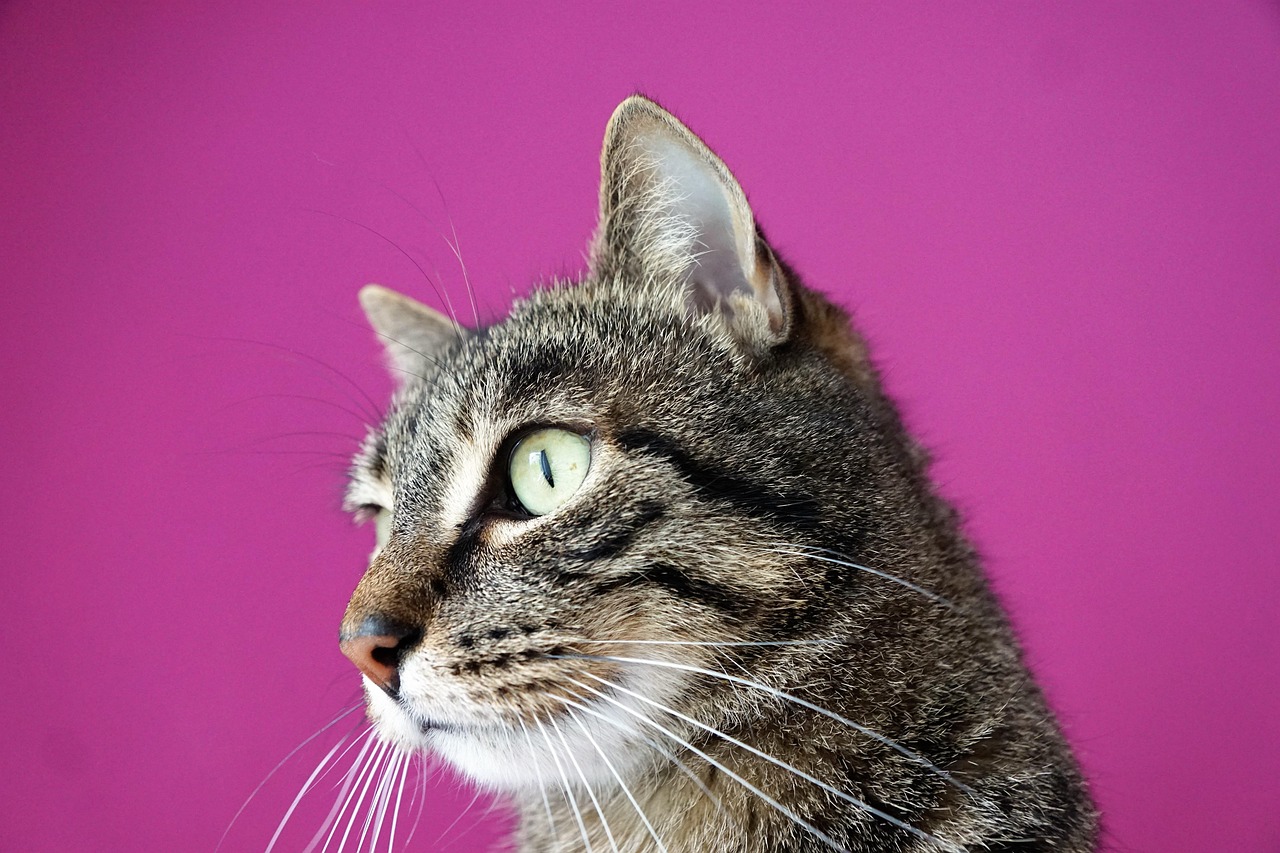

How to Recognize Stress in Cats During New Encounters
Cats are sensitive creatures and can react in various ways when meeting new people. Their body language and behavior serve as vital indicators of their emotional state. Recognizing these signs is crucial for ensuring a positive experience for both the cat and the visitor. For instance, an arched back, puffed-up fur, and a visible tail tend to indicate fear or discomfort. Understanding these behaviors can aid in predicting how a cat will react in a social setting. A cat that retreats to a hiding spot or observes from a distance is likely overwhelmed. Similarly, excessive vocalizations are another red flag indicating stress. These warning signs can help you assess whether a cat is adjusting to new surroundings or feeling threatened. You can take proactive measures to ease their anxiety. Rather than forcing introductions, allowing your feline to become accustomed to strange scents and sounds gradually is beneficial. Minimizing loud noises and sudden movements can also alleviate stress levels. Always prioritize creating an environment where the cat feels safe and comfortable.
Another critical factor to consider is the initial reaction a cat displays towards visitors. Familiarizing them with your guests beforehand can make a significant difference in their behavior during encounters. For example, letting your cat smell an item of clothing from the visitor can ease their curiosity and reduce fear. This helps to preemptively establish a connection, paving the way for a smoother introduction. Additionally, consider using treats to encourage positive associations with new people. When a guest approaches, offer the cat a treat and ensure they perceive it as a good thing. Be attentive to your cat’s reactions repeatedly; if they hiss, swat, or hide, it’s essential to respect their space. Every cat is unique in temperament and sensitivity, which means adapting your approach can be beneficial. Some cats might take longer to accept newcomers, while others may show immediate interest. Patience is key when assisting your cats through their anxiety. Gradually increasing the duration of these interactions will allow for positive experiences to be seamlessly established.
Understanding specific behaviors can also provide insights into a cat’s stress levels during new encounters. For instance, if your cat is frequently grooming, this can signal anxiety. Over-grooming often leads to hair loss and skin problems, indicating extreme stress. Similarly, if a cat suddenly starts hiding or avoids their favorite areas in the house, it’s likely a response to the unfamiliarity that new people bring. Exploring these behavioral patterns enables you to evaluate their overall emotional health more accurately. In situations where they feel threatened, cats might also exhibit aggression as a protective mechanism. Recognizing when a cat is on guard and responding accordingly is vital in these interactions. Providing a designated safe space is one way to help them feel secure during such experiences. This allows them to retreat when they feel the need for solitude. Transitioning at their pace should be your priority. Utilizing calming products such as pheromone sprays or diffusers can significantly help soothe stressed cats. Avoiding forcing any interactions will also yield better long-term results.
Creating a Calm Environment
Another essential step is creating a calm environment that minimizes stressors. Cats possess acute senses, making them easily overwhelmed by loud noises, flashy lights, or rapid movements. Observing your cat’s body language can provide clues on their comfort level. A quivering tail, flattened ears, or repeated yawning are telltale signs of unease. Taking these cues seriously can guide you in adjusting the surroundings to promote a feel-good atmosphere. Soft music or quiet background noise can help reduce anxiety levels for some cats. It’s wise to designate a quiet room where your cat can retreat if they feel uneasy about visitors. During introductions, ensuring the visitor is calm can foster a sense of quietude. Encouraging gently spoken, slow movements will help ease the overall stress in your cat. Moreover, offering safe places to hide, such as cat trees or covered beds, can provide comfort and a sense of security. Cats appreciate vertical space; allowing them to observe the situation from above might mitigate their stress and grant them control over the interaction.
When new people come to your home, it might feel like an intrusion for your feline friend. Therefore, the timing and method of introductions play a crucial role in minimizing stress. Instead of a sudden or abrupt meeting, opt for gradual exposure approaches. Allow your cat to approach the unfamiliar person on their terms; patience is crucial in this aspect. Observational skills will enable you to understand how your cat is responding throughout the process. If they are comfortable enough, they might take the initiative to sniff or paw at the guest. This progression signals their willingness to engage. Conversely, if your cat is dismissive or defiant, that usually suggests discomfort with the presence. Always maintain a watchful eye, ready to guide both parties towards a harmonious experience. Taking breaks during the introduction can also relieve pressure, allowing the cat to regroup if needed. Educating your guests on cat behaviors can enhance their awareness, enabling a more compassionate experience for your feline. Overall, focusing on gradual introductions remains critical to ensuring the well-being of your cat during such encounters.
Recognizing Individual Preferences
Each cat possesses unique preferences and tolerances toward socializing with humans. Identifying these individual traits is key to understanding their comfort zones during new encounters. Some cats may genuinely revel in the presence of new people, while others are more reserved, requiring a bit more time and patience to adjust. Recognizing it is imperative to respect each cat’s disposition and that forcing interaction could exacerbate stress levels rather than alleviate them. For instance, if your cat prefers to observe interactions from a distance, providing space for them can bolster their sense of security. Offering an environment that allows for voluntary participation in social situations can result in more positive experiences for all involved. The strength of their bond with you plays a significant role in their willingness to engage. Cats that feel secure with their owner are more likely to approach visitors cautiously. Building trust through gentle interactions will encourage your cat to feel more at ease during future introductions. This tailored approach can greatly enhance your cat’s experience when meeting new people.
Finally, reflect on past encounters to gauge the effectiveness of your introduction strategies. Cats can learn from previous experiences; tracking behavioral changes can lead to significant insights. If a new person has previously caused distress or anxiety, it may be valuable to adjust how you approach future introductions with that individual. Documenting which techniques yield positive results will allow you to refine your methods continually. By keeping notes on types of interactions that produce stress or comfort, you can create a personalized approach tailored for your feline. Always be willing to adapt based on your cat’s responses. Observing their behavior in real-time allows you to make informed decisions about future encounters. An awareness of how each cat uniquely processes new situations fosters a more harmonious living environment. When potential stressors are addressed proactively, it can greatly contribute to the emotional well-being of your feline friend. Elevating their comfort levels, especially in the presence of unfamiliar individuals, promotes happy and healthy experiences for your beloved cats.
In conclusion, understanding cat behavior during new encounters can significantly enhance their emotional well-being. Recognizing signs of stress, creating a calm environment, and respecting individual preferences are vital aspects of this process. Continuous learning and adaptation based on your cat’s reactions will yield positive outcomes for both your feline friend and your guests. Utilizing gradual introductions, establishing trust, and being attentive to their discomfort can lead to increased comfort levels. Helping them ease into new social situations ultimately fosters a more harmonious home life. Engaging confidently with your cat in such scenarios can create special moments between your pet and your guests. As you practice these strategies, you will foster resilience and confidence in your cat when meeting newcomers. A compassionate approach will ensure their safety during encounters, reducing anxiety and stress. Always remember, the key is to listen to your cat and respond thoughtfully. Detachment from rigid expectations or rushing through introductions allows for a more natural process. Enjoy observing their unique personalities unfold as they navigate social interactions, creating lasting bonds with their humans.