
How to Use CPR Techniques to Support a Dog in Shock
Understanding dog shock is crucial for any dog owner. Shock occurs when a dog’s body is deprived of adequate blood flow. This can be triggered by severe injury, dehydration, or shock from trauma. Rapid response is essential to keep your dog safe. Recognizing the symptoms of shock ensures that you get your furry friend the help they need immediately. Signs of shock include rapid breathing, pale gums, and weakness. Knowing these indicators can empower you to act quickly in critical situations. In emergency situations, time is of the essence. By being prepared and educated about performing CPR on dogs, you can significantly impact your dog’s life. The first thing to do is to check the dog’s breathing. If your pup is not breathing, you must start emergency procedures. While calling for emergency help, you can perform CPR. This involves chest compressions and mouth-to-nose breathing. It’s vital to remain calm and focused during these stressful situations. Practicing these techniques ahead of time can prepare you for when the unexpected occurs. Familiarizing yourself with these methods will equip you to act competently in an emergency.
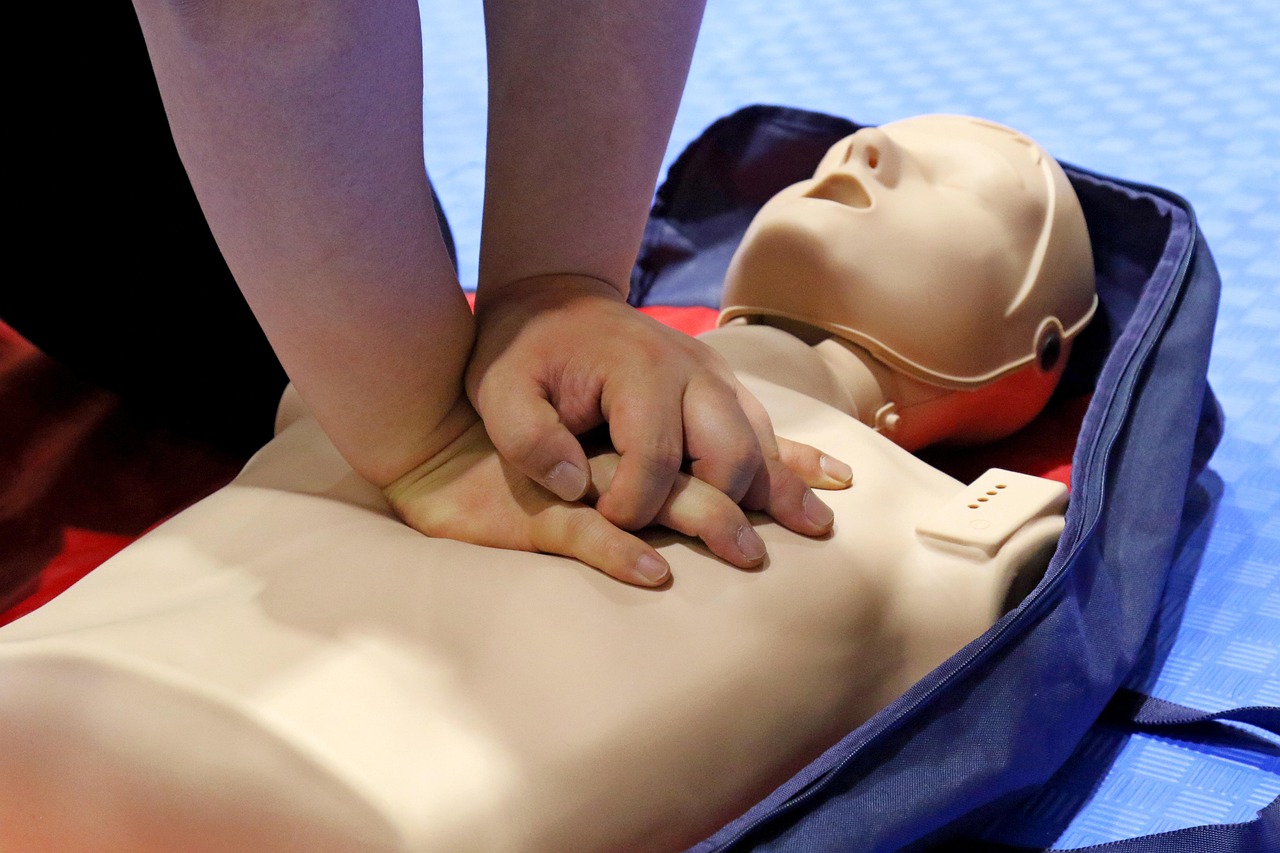
Administering CPR requires knowledge and technique; understanding the correct steps is essential to minimize damage. If you discover your dog in shock, assess their situation first. Look for any visible injuries, but be cautious not to move them too much. Next, position your dog on a flat surface. Place your hands in the center of the dog’s chest, right where the heart is located. Use firm but gentle pressure to administer compressions. The rhythm of the compressions should be approximately 100 to 120 per minute. Count out loud to help maintain an appropriate pace. Remember that you should compress your dog’s chest about one-third of the way down. After 30 compressions, it’s crucial to provide rescue breaths. Close the dog’s mouth, and make a seal around their nose. Administer two gentle breaths, allowing their chest to rise fully. Repeat this cycle of 30 compressions and two breaths until professional help arrives. Always remember to remain calm and reassure your pet as much as possible. Stress can exacerbate their shock. Having this knowledge at your fingertips can help you feel empowered to save your dog’s life.
Understanding canine anatomy can also enhance your CPR technique. It’s crucial to know where to apply pressure during compressions. The dog’s rib cage is relatively flexible, and adequate force is necessary to ensure that blood circulates correctly. Use the palm of your hand for medium-sized dogs, while smaller breeds require gentle care. For larger dogs, you may need to use your body weight to exert more force without causing harm. Place one hand over the other, keeping your elbows locked for efficient pressure application. Remember to position your dog on their right side for optimal blood flow to the heart during CPR. Consistency in compressions helps to maintain blood circulation and keep oxygen flowing to vital organs. Positional changes can also help—if you see no improvement after several cycles of CPR, try rolling the dog onto its back. This allows for varied pressure that might stimulate a response. Each moment counts, so being aware of these techniques and their appropriateness can help save precious time. As you practice these techniques, think about the alternative actions you might want to consider during dog emergencies.
Aftercare Following CPR
Once your dog begins breathing again, it is essential to continue monitoring them closely. Ensure they are comfortable and try to keep them calm. Shock can cause disorientation and distress, so your soothing presence will help. If you’re able, wrap them in a blanket or coat to maintain warmth. Wilting due to shock can cause body temperature to drop quickly. Contact your veterinarian as soon as possible to get professional help, as some injuries may not be immediately visible. The vet may administer fluids or additional medications to help stabilize your dog’s condition. You may also need to stay with your dog during this critical time, providing comfort and reassurance. Monitoring may include checking for continued signs of shock, such as pale gums or excessive panting. If they display these symptoms again, be prepared to repeat the CPR process. Remember to avoid giving your dog food or water until cleared by a vet, as they may require more immediate medical intervention. Preparing for any potential dog emergencies ensures you are equipped to take the right actions.
Consider taking a canine first aid and CPR class to further enhance your skills. These courses often provide hands-on experience and can cover additional emergencies. An investment in training can prepare you better than simply reading about techniques alone. Experts will guide you through scenarios with various types of dogs and situations. They will also instill life-saving techniques in real-time practice, which is invaluable in emergencies. Beyond CPR, these courses often cover additional first aid procedures, such as wound care and using a tourniquet. The more knowledge you have, the more prepared you will feel. Understanding the various equipment and practices ensures you’re ready for anything. Having effectively learned these skills can also bolster your confidence if ever faced with an emergency. Consider seeking out reputable organizations, such as the American Red Cross, that offer certification. Their programs are highly regarded and provide a very comprehensive education on dog care in emergencies. After completing a course, ensure the skills remain fresh in your mind through periodic practice.
Conclusion
In closing, knowing how to perform CPR on your dog can be a vital skill that saves their life during emergencies. The importance of quick and effective response cannot be overstated. Being educated on shock symptoms and their treatment prepares you to react effectively. In stressful situations, your calm mindset can lead to better outcomes. Taking proactive steps, such as learning CPR and first aid, provides invaluable tools for helping your pet. By undergoing training, having a basic first aid kit ready, and ensuring you are confident in your knowledge, you set yourself and your dog up for safety. Take the time to become well-versed in methods to assist a dog in shock; it can make a substantial difference. Rules regarding first aid shift as new techniques become available, making continued learning essential. Being knowledgeable not only allows you to support your dog effectively but also gives you peace of mind should an emergency arise. Care for your dog; they depend on you entirely. Know that through your preparation, you can provide them with the best chance of recovery.
In summary, dog owners must be proactive about their furry friends’ health. Being educated about CPR and first aid can literally mean the difference between life and death. Keep yourself informed by reading updated materials and joining courses periodically. Engage with fellow dog owners to share knowledge in your community. These practices not only enhance your skills, but also foster relationships within the pet-owning community. Emergency preparation should also extend beyond learning; carrying a first aid kit in your home, car, and on outings is crucial. Familiarize yourself with the contents of the kit so you’re prepared at any moment. Items like bandages, antiseptics, and a muzzle for safety can ensure you’re ready for various emergencies. Likewise, having your vet’s contact information accessible can streamline the process in times of crisis. Acting quickly can save your pet from further complications. Make it a habit to stay informed and ready; canine care extends well beyond regular vet visits. The time spent becoming a knowledgeable dog owner is time well invested. A better-informed pet owner leads to healthier, more responsive pets.