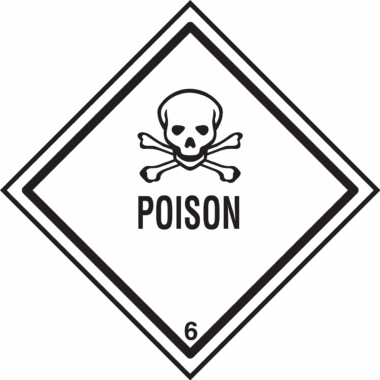

The Role of Ventilation in Preventing Toxin Build-up That Affect Cats
As a cat owner, ensuring the safety and well-being of your pet is paramount. Many household items can pose serious hazards to cats, leading to health complications. Proper ventilation plays a vital role in maintaining a safe environment. It allows for the circulation of fresh air, which helps to disperse toxic substances. Common toxins include cleaning products, paints, and other chemicals that can accumulate if adequate airflow isn’t present. Ensuring that your home is well-ventilated can be achieved in various ways. Open windows, use exhaust fans, and allow air to flow freely throughout the house. This circulation dilutes harmful fumes found in many household items. Furthermore, ensuring that your cat has places to rest away from potentially hazardous materials is essential. High shelves or designated cat areas can keep them safer from these dangers. While it may seem small, the impact of proper ventilation can significantly affect your pet’s health. Monitoring air quality and being proactive can prevent many issues. Always seek veterinary advice if you notice any unusual behavior in your cat. Remember, a little caution goes a long way.
Additionally, awareness of the materials used in your home can further enhance safety. Many common household items can emit volatile organic compounds (VOCs). These compounds often come from paints, varnishes, and cleaning agents. When these chemicals are sealed in poorly ventilated spaces, they can pose risks to both humans and pets. Keeping these materials in areas with suitable ventilation is key. For instance, utilizing a well-ventilated garage or outdoor shed to store paints and cleaners can prevent indoor air pollution. Regularly changing HVAC filters in your home can also improve overall air quality. Another great tip is utilizing air purifiers designed to filter out harmful toxins. Furthermore, being mindful of the furniture and decorations you bring into your home is essential. Opt for non-toxic, low-VOC products whenever possible. This attentiveness can significantly reduce the risk of chemical exposure. To create an environment that promotes the health and safety of your cat, it’s important to consider all factors at play. By combining good ventilation practices with thoughtful product choices, you can create a safer living space for both you and your furry friend.
Understanding Toxic Substances and Symptoms
Understanding signs of toxin exposure in your cat is crucial. Cats are often curious and may ingest or come into contact with harmful materials. Symptoms can include vomiting, lethargy, or even difficulty breathing. If you notice any of these signs, it is essential to consult your veterinarian immediately. Some toxins, like antifreeze, can be especially dangerous, leading to severe health issues or even proving fatal if not treated right away. In addition to chemical exposure, mold is another common household hazard that can affect your pet’s health. Mold spores can be toxic and trigger respiratory issues. Regularly checking for mold, especially in bathrooms and kitchens, is vital. Ensure that areas that are prone to moisture are properly ventilated. This can help prevent the growth of mold and ensure a healthier environment for your cat. If you suspect mold is present in your home, taking immediate action is crucial, such as cleaning with appropriate cleaning agents or contacting professionals. Keeping your home mold-free is part of safeguarding your entire family, including your beloved pets.
Notably, air quality can also be influenced by environmental changes. Seasonal changes can lead to increased humidity or dryness, both of which can impact your cat’s respiratory system. During summertime, high humidity levels can breed mold and mildew, while winter dryness can lead to respiratory irritation. Maintaining a constant airflow using vents and fans can significantly alleviate these issues. Consider investing in a humidifier or dehumidifier based on your regional climate. This action creates a more stable and comfortable environment for your cat. Proper air circulation will not only benefit your pet but also enhance the overall comfort of your home. Regular checks on air vents, ducts, and filters can keep your house in excellent condition. It is advisable to follow a schedule to inspect and clean these systems. Once you establish a plan, it becomes easier to maintain a clean and safe space for your family and pets. Furthermore, invest your time in educating yourself and your family about potential hazards and how to mitigate them. Your knowledge will directly improve the safety and joy of living with your beloved feline.
Caring for Your Cat’s Health
Ultimately, taking a proactive approach to pet care is vital for a cat’s health. Regular veterinary visits are essential in keeping your cat healthy. Your veterinarian can provide vaccinations and screenings for early detection of health issues, including those caused by environmental toxins. Additionally, feeding a balanced diet can bolster your cat’s immune system. Proper nutrition helps reduce the chances of illness, allowing your cat to thrive in a potentially hazardous environment. Always be vigilant in noticing any changes in your cat’s behavior. A well-timed visit to the vet can make a significant difference in identifying health issues. In your home, make sure you eliminate or secure hazardous items like medications and poisonous plants. Many household plants can be toxic to cats and should be researched before bringing them indoors. Items such as lilies or poinsettias can be particularly lethal. Awareness is essential to keeping your furry friends safe. Engage in activities that encourage mental stimulation and exercise. A happy, healthy cat is more resilient to environmental hazards. It is your responsibility as a pet owner to ensure that your home remains a safe haven.
Furthermore, education plays a vital role in keeping your cat safe. Learning about which chemicals and household items are toxic is crucial for prevention. Many resources are available online, including lists of common substances that are harmful to pets. Familiarizing yourself with these items ensures that you proactively avoid hazards. Another useful strategy is to educate family members about pet safety. Teach children the importance of keeping potentially dangerous materials out of reach and highlighting behaviors to avoid around pets. Including your cat in discussions of safety can foster responsible behavior. Additionally, consider joining online communities or local groups that focus on pet health and safety. These forums can be invaluable for sharing experiences and gaining knowledge. Furthermore, engaging with fellow pet owners can inspire new safety practices in your household. Protecting cats from common household hazards involves diligence and awareness. Together, we can create environments that prioritize pet safety and well-being. As a responsible pet guardian, be vigilant in creating a nurturing and secure space for your furry companions.
Conclusion: Creating a Safe Environment for Cats
In conclusion, maintaining a comfortable and safe living environment for your cat is essential. Proper ventilation is a key component in preventing the build-up of harmful toxins. Regular airing out of your home and careful selection of household products contribute significantly to a healthy atmosphere. By monitoring air quality and ensuring proper airflow, you play an active role in safeguarding your furry family member. Additionally, awareness of potential hazards is crucial to a cat’s well-being. Regular vet check-ups, maintaining a balanced diet, and educating all family members can significantly reduce risks. Paying attention to the items in your household and their potential dangers will contribute to a safer environment. Make sure to have a first aid kit handy, including any specific items your veterinarian recommends. Being prepared can make all the difference in medical emergencies. Ultimately, creating a haven for your cat leads not only to its safety but also to happiness. Take the time to implement the discussed strategies regularly, ensuring your cat thrives in a healthy home. Remember, it is your responsibility to nurture a life of safety and joy for your beloved feline friends.
In essence, while cats explore their environments, they encounter numerous potential dangers. Among these, household hazards represent significant areas of concern. With diligence, vigilance, and proactive measures, pet owners can create safer spaces. Prioritizing ventilation is one of the most impactful steps. Along with adequate airflow, staying informed about toxic materials will empower you to mitigate risks effectively. Understanding the impact of products we use ensures a healthy habitat for your beloved cat. Whether through maintaining an open home environment or seeking veterinary advice, all actions contribute to your cat’s well-being. Engage your entire household in discussions about pet safety for holistic care. Key to successful environments is your engagement and commitment to the dog’s health. Focus on education, and always stay alert to new hazards. Cats teach us how to be observant, reminding us of the hidden dangers around us. Stay proactive and invest in their health continually. Securing your home against hazards ensures a delightful life for your feline companion. Only by taking a comprehensive approach can we truly create a safe, nurturing space that allows our cats to flourish.