
Top 10 Training Treats to Reward Your Dog Effectively
Training your dog effectively requires the right incentives, and treats are a fantastic way to reward good behavior. When selecting training treats, consider options that are not only appealing to your dog but also healthy. Look for small, soft, and easily digestible treats that can be used in various training scenarios. Treats should be low in calories but high in flavor to keep your dog engaged without weighing them down. Choosing a variety of flavors is also beneficial, as it helps maintain your dog’s interest during training sessions. For example, chicken, beef, and salmon flavored treats can cater to different preferences. Additionally, ensure that the treats are made from natural ingredients, free from artificial preservatives and colors. This attention to quality helps support your dog’s overall health and well-being. Some brands even offer training-specific treats designed to be rewarding while also promoting dental health. Incorporating training treats into your routine can make the learning process enjoyable for both you and your furry friend.
Understanding how to effectively use treats during dog training can significantly impact your success. To ensure that your dog associates the treat with their action, try to reward them immediately after they perform the desired behavior. Timing is crucial; a delay can lead to confusion regarding which action is being rewarded. Start with a high-value treat that your dog loves to encourage continued engagement. Gradually, you may replace the high-value treat with a lower-value option as your dog learns the command or behavior consistently. This progressive approach helps maintain their interest without over-rewarding. Remember to also use verbal praise alongside treats; a joyful tone of voice can enhance your dog’s connection between the treat and the behavior. If your dog seems disinterested, it might be worthwhile to experiment with different types or flavors of treats. Mixing up treats keeps training exciting and maintains their focus. Moreover, always monitor your dog’s weight as you provide treats during training to avoid obesity. Balancing treats with regular meals ensures that your dog stays healthy and energetic.
Types of Training Treats to Consider
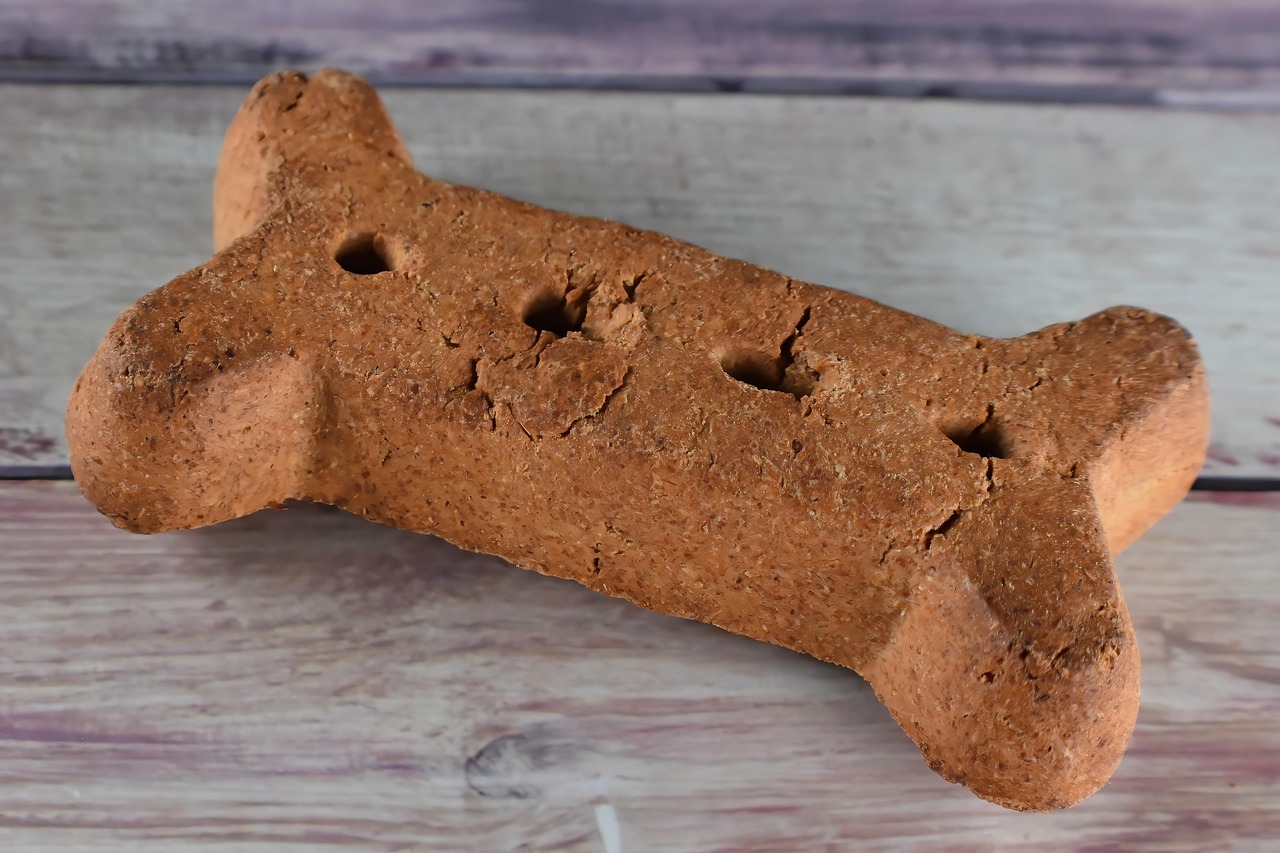
When looking for the best training treats, it helps to explore various types and brands. One popular type is soft, chewy treats, which are easy for dogs to eat quickly. They are especially useful during training sessions where time is of the essence, allowing for rapid rewards. Freeze-dried meat treats also offer a highly palatable option, made from real ingredients that dogs love. The crunchiness adds an enjoyable texture, making it engaging for your pet. Additionally, consider using homemade treats, as you can control the ingredients and tailor them according to your dog’s preferences and dietary needs. Another option is the use of kibble, especially for dogs that enjoy their everyday food. However, choose small pieces to ensure that training remains efficient. Another popular type includes flavored training sticks, designed specifically for positive reinforcement. These can also serve dual purposes like dental care since many formulations aid in keeping teeth clean. Experimenting with various sources can help you discover the most effective type for your dog’s training.
Adapting your training treat selection to your dog’s size and breed is essential for effective training. Small dogs may require smaller treats, while larger breeds may prefer bigger options to chew on. Always consider the size of the treat in relation to the activity being encouraged; larger rewards may be more appropriate for significant achievements, while smaller ones are ideal for routine commands. Selecting treats that are appropriately sized minimizes the risk of choking hazards or difficulties while chewing, promoting safer training sessions. Also, assess your dog’s allergies or sensitivities, as some breeds may have specific dietary requirements. Keep in mind that puppy training might require more frequent rewards because they typically have shorter attention spans. Therefore, looking for high-quality puppy-specific treats can provide both nutrition and flavor. Additionally, it’s beneficial to monitor your dog’s weight and adjust treat quantities to accommodate their energy expenditure during training. This ensures you maintain a healthy balance, allowing training to be effective without impacting your dog’s well-being.
How to Store Training Treats
Proper storage of training treats significantly impacts their freshness and longevity. To maintain the best quality, keep treats in airtight containers, which helps prevent them from becoming stale. Exposure to air can quickly degrade both flavor and texture, diminishing the treat’s appeal for your dog. Store treats in a cool, dry place, as heat or moisture can promote spoilage. If you purchase in bulk, ensure that you divide larger quantities into smaller bags or containers to maintain freshness for everyday use. Additionally, pay attention to expiration dates and ensure treats are used within a reasonable period. Regularly check for signs of spoilage, such as change in texture or odor, and dispose of any that seem questionable. Additionally, not all treats are created equal; some might require refrigeration if opened to maintain their freshness. For homemade treats, always label and date the containers to keep track of their shelf life. Following these storage tips ensures every training session is fresh and delightful for your dog, enhancing the overall experience.
Incorporating treats into your dog’s daily life can also strengthen the bond between you and your pet, reinforcing your relationship. Allowing your dog to participate in choosing their treats can add an element of fun. When out shopping, observe your dog’s reactions to different types of treats, including smells and textures. This enhances selection and fosters excitement during training sessions. Positive reinforcement through treats builds trust, helping your dog feel more secure and understand what behaviors are desirable. Furthermore, involve family members in treat selection, creating a community effort to enhance your dog’s training experience. Treats can become a shared activity while ensuring consistent training methods across various household members. Use the opportunity during mealtime by incorporating training into feeding schedules or teaching commands before meal times. This approach not only rewards good behavior but also makes it a part of their routine. Combining treats with mouth-watering meals creates a holistic approach to your dog’s reward system, ensuring that both you and your furry friend enjoy the training journey together.
Conclusion: The Power of Treats in Training
Ultimately, utilizing training treats effectively plays a significant role in success during dog training. Building a robust system that rewards positive behavior makes learning enjoyable and engaging for your dog. Experimenting with different types of treats can unveil those that your dog finds most enticing, ensuring they are excited about training sessions. Always consider your dog’s individual preferences and needs while maintaining their health with high-quality, nutritious options. Remember that balance is key; too many treats can lead to weight issues, so adjusting your dog’s overall diet is vital. Strive to create a balance between your dog’s calories from treats and their daily meals, promoting overall health and sufficient energy. As your dog learns commands, reducing treat frequency helps encourage compliance without depending solely on rewards. This structured approach enhances behavior modification over time. Training with treats establishes rapport and communication between you and your dog. Embrace the journey as a collaboration enriched by positive reinforcement. With these ten training treats and shared tips, you can effectively reward and motivate your canine companion.
Consider that understanding and observing your dog’s behavior during training sessions can lead to better reward strategies. Pay attention to their response to different types of treats, and adjust accordingly to personalize their training experience. When dogs respond positively, it not only boosts their confidence but also reinforces the connection they have with their trainer. Always remember to celebrate small victories, as these moments contribute to your dog’s growth. Prioritize creating a positive environment where your dog feels excited about learning and exploring. Being patient and consistent in your approach is essential for achieving long-term success. Taking the time to experiment and perfect your training routine builds a lasting bond with your furry friend. As you implement these tips, you may find that your dog becomes more eager to participate, making the process enjoyable and productive. With proper treat selection, storage, and usage techniques in place, you will likely see improved results in your training efforts. Enjoy the rewarding experience that treats can bring by watching your dog thrive and flourish through effective training, focusing on Joy.