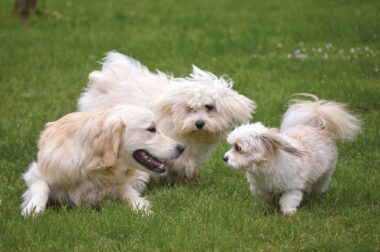

Training Techniques to Improve Dog Socialization with Other Animals
Socializing your dog with other pets is crucial for their overall development and happiness. Begin this process early by exposing your puppy to different animals in a controlled environment. Gradually introducing your dog to other pets helps them adapt and learn acceptable behaviors. Start with calm, friendly animals, ensuring that interactions are positive. Monitor their body language for signs of distress or fear, as you want to maintain a relaxed and safe atmosphere. Regular socialization visits to parks, pet-friendly events, or volunteering at animal shelters can provide varied experiences for your dog. Consistency is key, so make socialization a part of your regular routine. When your dog successfully interacts with other animals, offer praise or treats to reinforce positive behavior. This approach encourages your dog to be confident and friendly. Always supervise interactions, especially with larger or more energetic animals, to keep both your dog and other pets safe. Patience is crucial; every dog socializes at their own pace. Your goal is to create a well-adjusted, social dog who feels comfortable around a variety of animals, enhancing their quality of life.
One effective method to enhance dog socialization is using positive reinforcement techniques. When introducing your dog to another pet, use treats to reward your dog for calm and friendly behavior. This creates positive associations with other animals, encouraging your dog to approach them with a happy demeanor. If your dog remains relaxed and engaged during these interactions, the chances of developing good social skills significantly increase. To ensure successful encounters, always monitor the situation closely and step in if any anxiety or aggression occurs. Instead of punishing unwanted behavior, redirect your dog’s attention towards desirable actions. Consider enrolling your dog in a socialization class, where they can meet other dogs and pets under professional guidance. These classes offer structured environments for learning and adapting to social situations. Additionally, interacting with different animal species helps your dog become accustomed to various behaviors and body languages. The socialization process enhances your dog’s confidence, reducing the likelihood of fearful or aggressive responses in the future. The goal is for your dog to develop a positive, friendly approach towards other animals, making social outings enjoyable for everyone involved.
Utilizing Playtime for Socialization
Playtime serves as an excellent opportunity for facilitating dog socialization with other animals. Encourage your dog to play with friendly pets, as this is a natural, engaging way to learn interaction skills. Use toys or balls to help your dog focus on play rather than feelings of anxiety when in a new environment. Organizing playdates with trusted friends who own other pets encourages positive experiences. Always supervise these sessions to ensure that the play remains safe and enjoyable. Recognize that not all dogs will interact with enthusiasm; some may prefer to observe rather than engage directly. Respecting your dog’s individual temperament is critical for a positive experience. Be patient and allow your dog to approach other pets at their own pace. After successful interactions, reward your dog with praise or treats to reinforce that socialization leads to enjoyable experiences. The goal of using play as an avenue for socialization is to ease your dog’s fear and build confidence. Remember, the more positive interactions your dog has with other pets, the more equipped they will be to navigate complex social scenarios in the future.
Incorporating leash training techniques can also aid in improving your dog’s socialization with other animals. A well-trained dog on a leash is often more manageable during encounter situations. Teach your dog to walk calmly beside you, reinforcing good behavior with treats and praise. A calm demeanor will create a more positive experience for your dog, especially when in the presence of other animals. When encountering other pets, use a relaxed, confident body language to signal safety and comfort to your dog. If your dog shows interest in interacting, reward them for positive behavior, such as sitting calmly or making eye contact with the other animal. Conversely, if your dog shows signs of fear or aggression, calmly redirect their focus to you. Practicing these techniques regularly will help your dog feel safe and secure in various situations. Moreover, setting boundaries helps reinforce proper behavior upon meeting new animals. By making leash training a part of your daily routine, your dog will learn to embrace social situations, enhancing their adaptability, confidence, and overall behavior around other pets during walks or outings.
Visiting Dog-Friendly Places
Taking your dog to dog-friendly places can significantly enrich their socialization experiences. Parks, pet stores, and organized dog events often provide opportunities to meet a diverse range of pets and people. When visiting such locations, be sure to assess your dog’s comfort level. If they seem overwhelmed or anxious, take a step back and allow them to observe from a distance. Gradually bring them closer as they become more comfortable with their surroundings. Reward your dog for calm behavior in these stimulating environments, whether it’s sitting quietly or engaging with other animals. This approach reinforces social skills and encourages positive behavior. Remember, the goal is to foster a supportive and engaging environment that promotes friendly interactions. Engaging your dog in other activities, like agility classes or obedience training, not only sharpens their skills but also builds trust and enhances their comfort level around other pets. Interaction in these environments creates a sense of community, transforming potential anxiety into a joyous experience for your dog. By cultivating these positive encounters, you pave the way for a well-adjusted, sociable canine companion who enjoys the company of their fellow animals.
In addition to direct interaction, observing other animals can contribute significantly to your dog’s social training. Encourage your dog to watch other pets play, interact, or behave. This passive socialization allows them to learn appropriate behaviors without direct confrontation. It is beneficial when introducing a dog that may be timid or hesitant to engage fully. Use positive reinforcement when your dog successfully observes calmly, as this builds confidence in their ability to handle social situations. Pair these observations with ongoing training sessions, where you reinforce commands alongside the passive learning. Reinforcement assists in improving their responsiveness to commands around other animals. Another effective strategy is to schedule regular outings to pet-friendly cafes or markets where they can see and smell other animals without the need for direct contact. Exposure to different species and personalities will broaden their understanding and comfort level. Encourage your dog to take their time during these experiences, ensuring that they are not overwhelmed. Over time, this gradual exposure to diverse animal behaviors will help your dog become more comfortable and adaptable in various social settings, setting a foundation for an active social life.
Monitoring Play and Intervention
Monitoring your dog’s play with other animals is essential to ensure safety and enjoyment for all participants. It’s critical to keep a watchful eye on interactions, as play can quickly become overwhelming or aggressive. Look for signs of discomfort or anxiety in both your dog and the other animal; these may include stiff body posture, growling, or refusal to engage. If you notice these warning signs, it’s crucial to intervene and create a calm space for both pets. Redirecting your dog’s attention to a nearby toy can help shift their focus and utilize their energy in a positive manner. Always remain calm during these situations, as your demeanor influences your dog’s response. Professional trainers can offer valuable techniques for managing playtime. Consider taking a few sessions prior to regular socialization outings to build your skills. Properly identifying and managing social cues helps create a safer play environment. Ultimately, consistency in monitoring behaviors fosters an understanding of positive social engagements. Once your dog learns healthy play behaviors, they will be more likely to interact positively with both familiar and unfamiliar pets throughout their lives, ensuring a harmonious coexistence.
Developing strong socialization skills in your dog is an ongoing process that requires dedication and patience. Consistent exposure to various social settings is key to helping your dog become a well-rounded companion. Remember to be proactive in your training; the earlier you begin socialization, the better prepared your dog will be for potential challenges in the future. Every experience, whether positive or negative, contributes uniquely to their development, so ensure you maintain an encouraging environment. Make use of community resources such as local dog parks, obedience classes, or canine training workshops to enhance your dog’s opportunities for successful interactions. By participating in these environments, your dog will learn to navigate various social situations effectively. Regular outings to socialize can nurture excitement and enhance your bond with your pet. Lastly, celebrate your dog’s progress regardless of how small, as every step towards improved socialization is a victory. Ultimately, fostering patience and consistency throughout the socialization journey will contribute to a happier, well-adjusted dog, capable of forming strong, healthy relationships with both animals and humans alike.