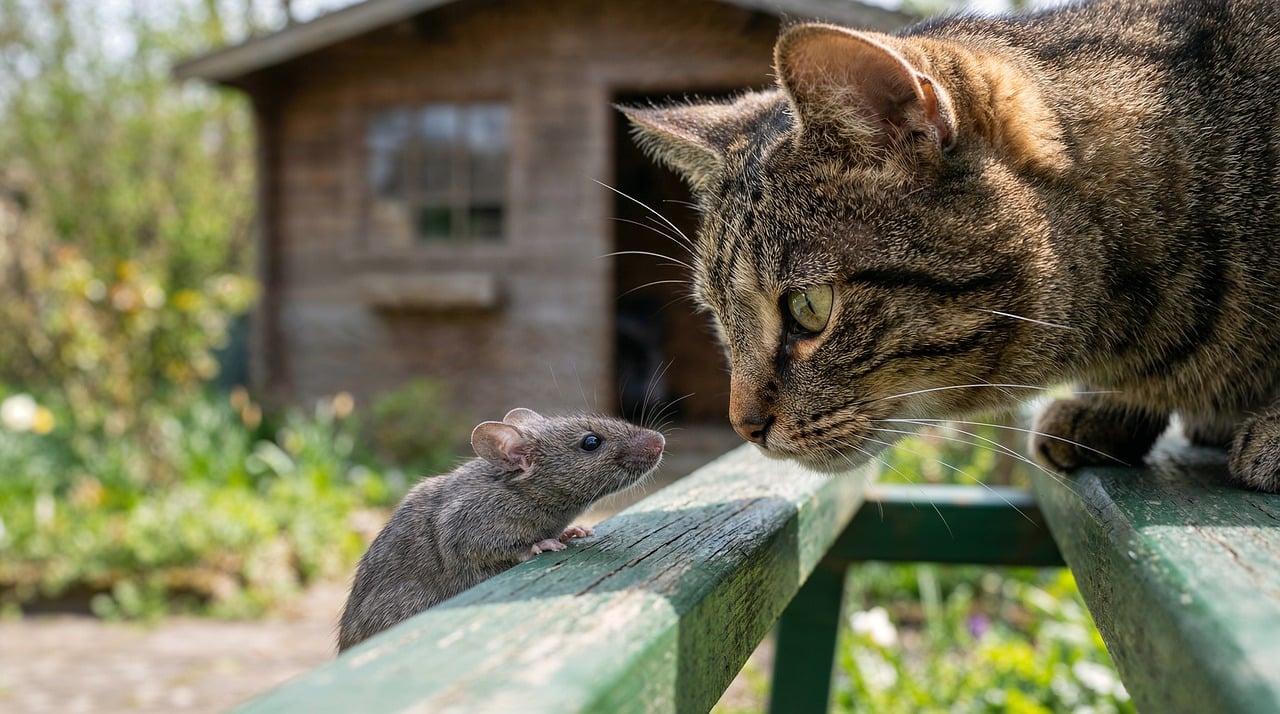

Training Tips to Encourage Positive Interaction Between Cats and People
Establishing a positive relationship between cats and people is essential for both parties to thrive together. Creating a bond facilitates trust, which translates to successful socialization. Start by offering a calm environment where the cat feels safe. Allow the cat to explore without overwhelming it with stimulation. Use slow movements and a soft voice to ensure the cat feels secure in your presence. Ensuring that cats have a designated space to retreat provides them the comfort to engage on their terms. When introducing new people to your cat, make sure the encounters are few and gradual to avoid stressing the cat. Daily interactions should include gentle petting and play. Use toys like feather wands or laser pointers to enhance engagement without intimidating them. Regularly reward your cat with treats and encouragement to reinforce positive interactions. Be observant about its body language; understanding when it feels threatened can prevent negative experiences. Through consistency and patience, human and cat can develop a mutually beneficial relationship that enhances the life of both. Remember that every cat is unique, so adapt training to suit individual personalities.
Understanding Cat Behavior
Understanding cat behavior is crucial for effective training and socialization. The key to successful interaction lies in recognizing when a cat feels discomfort or stress. A cat’s body language offers insight; for example, a twitching tail may indicate agitation, while purring usually suggests contentment. It’s essential to note that cats are generally solitary animals; forcing interactions can lead to fear and aggression. Learn to respect their need for personal space, and provide them with cozy spots where they can retreat. Engaging in activities that align with your cat’s natural behaviors, like scratching and hunting simulations, can greatly enhance its comfort level and compliance. Gradually introduce new experiences and stimuli, offering treats as rewards during each successful step. If your cat seems uncomfortable, don’t push it. Instead, allow them to take their time to adjust. Remember that patience is a virtue in cat training. Every session should be short and positive, leaving the cat wanting more. Over time, with the right approach and understanding, you can cultivate a loving bond that enriches the lives of both the cat and its human companions.
Utilizing positive reinforcement is a powerful method when it comes to training and creating positive interactions with your cat. Unlike punitive measures, which can foster fear, positive reinforcement encourages desired behaviors through rewards, making learning enjoyable for your feline friend. When training, always keep treats, toys, or even affection ready to reinforce successful interactions. For instance, if your cat comfortably explores your lap, reward them immediately with a treat. This technique teaches them that the desired behavior leads to something positive, creating a lasting association. Additionally, utilizing clicker training can provide instant feedback, making it easier for your cat to understand what behaviors are being encouraged. Ensure that rewards are proportionate; immediate and consistent rewards work best. Establishing a routine encourages your cat to look forward to interactions. Remember that slower, incremental changes often yield the best outcomes; don’t rush the process, as every cat has its pace of adjustment. For lasting success, strive for a relaxed atmosphere that fosters curiosity and engagement. Over time, with patience and positive methods, you’ll observe a stronger bond and a happy feline willing to engage peacefully with you and others.
Creating a Safe Environment
Creating a safe environment is vital in facilitating positive interactions between cats and people. Safety involves both physical and emotional aspects that allow your cat to explore without fear. Begin by ensuring that your home is cat-proofed; remove potential hazards such as toxic plants, small objects that may be swallowed, or cords that could pose a strangulation risk. Providing plenty of vertical spaces, such as shelves or cat trees, gives cats safe areas to perch and observe without feeling threatened. Additionally, providing cozy spaces like blankets and boxes can help them feel secure. Ensuring that your cat has access to fresh water, food, and litter boxes also contributes to their overall well-being. To support their emotional safety, introduce new experiences gradually. When inviting guests over, allow your cat to approach at their own pace, fostering a less intimidating atmosphere. Aim to make your interactions low-pressure, allowing cats to retreat if they feel overwhelmed. This way, your home becomes a haven where positive associations are built, leading to delightful interactions with humans and enhancing the quality of life for both parties.
Socialization with a diverse range of people can significantly contribute to your cat’s comfort and adaptability. Gradual exposure helps to mitigate fear and builds a positive association with new individuals. Start with one or two gentle visitors who understand cat behavior; ensure they are calm and patient. Have them sit quietly without attempting to pick up or overly engage with your cat initially. Gradually, allow your pet to approach when they feel ready. It’s important to encourage gentle interaction such as soft talking or hand movements that don’t provoke sudden scares. Reward the cat with treats or play during successful engagements to cement these positive experiences. Over time, expand the number of visitors slowly, maintaining a consistent environment for your cat. Provide distinct spaces where your cat can observe and retreat as needed, and allow them to interact when they feel comfortable. Monitor how your cat behaves around new individuals, acknowledging their comfort levels. In instances where your cat shows signs of stress, back off. Understanding and respecting these cues can cultivate a more sociable cat, enriching your shared life experiences.
Incorporating Play into Training
Playtime is a critical component in encouraging positive interaction between cats and people. Engaging your cat in regular play strengthens your bond while facilitating social skills through interactive activities. Use a variety of toys to provide stimulation and mimic hunting behaviors; items such as balls, feather wands, and interactive toys can keep your cat engaged. Play not only meets physical needs but also mental stimulation, crucial for their overall health. Allocate daily time for interactive play sessions; showing enthusiasm encourages your cat to join in and explore these interactions. Rotate toys regularly to maintain your cat’s interest and curiosity, as they easily become bored with the same items. Observe your cat’s preferences during play and adapt accordingly, focusing on activities that elicit excitement. Incorporating short training commands within playtime can make learning new skills enjoyable. Consider setting aside moments for lessons on tricks or simple commands combined with play, reinforcing the idea that training is fun. Ultimately, this blend nurtures a positive connection and reinforces a cooperative spirit, creating an environment where cats are eager to interact with their human companions, strengthening the intrinsic bond.
Monitoring progress and adjusting techniques accordingly is essential in fostering positive cat-human interactions. As you work on socialization, remain attentive to your cat’s reactions throughout the training process. Take notes on behaviors, responses to different interactions, and overall mood during training sessions. Regularly reviewing this information will help you identify patterns that inform your training approach. If a cat seems hesitant or nervous, consider revising techniques and methods to better suit the individual animal’s needs. Adjust the duration of interactions and the intensity of exposure to experiences based on their comfort levels. If you notice anxiety increases, take a step back and try less daunting activities. Continuous observation allows for a more responsive training regimen; be patient, as socialization is often a gradual process. Remember that while cats can learn a range of behaviors, they are also creatures of habit; to achieve optimal results requires time and consistency. Celebrate small successes along the way, reinforcing the progress made through rewards and positive feedback to motivate both yourself and your cat. With diligence and love, positive interactions can develop into fulfilling companionship.