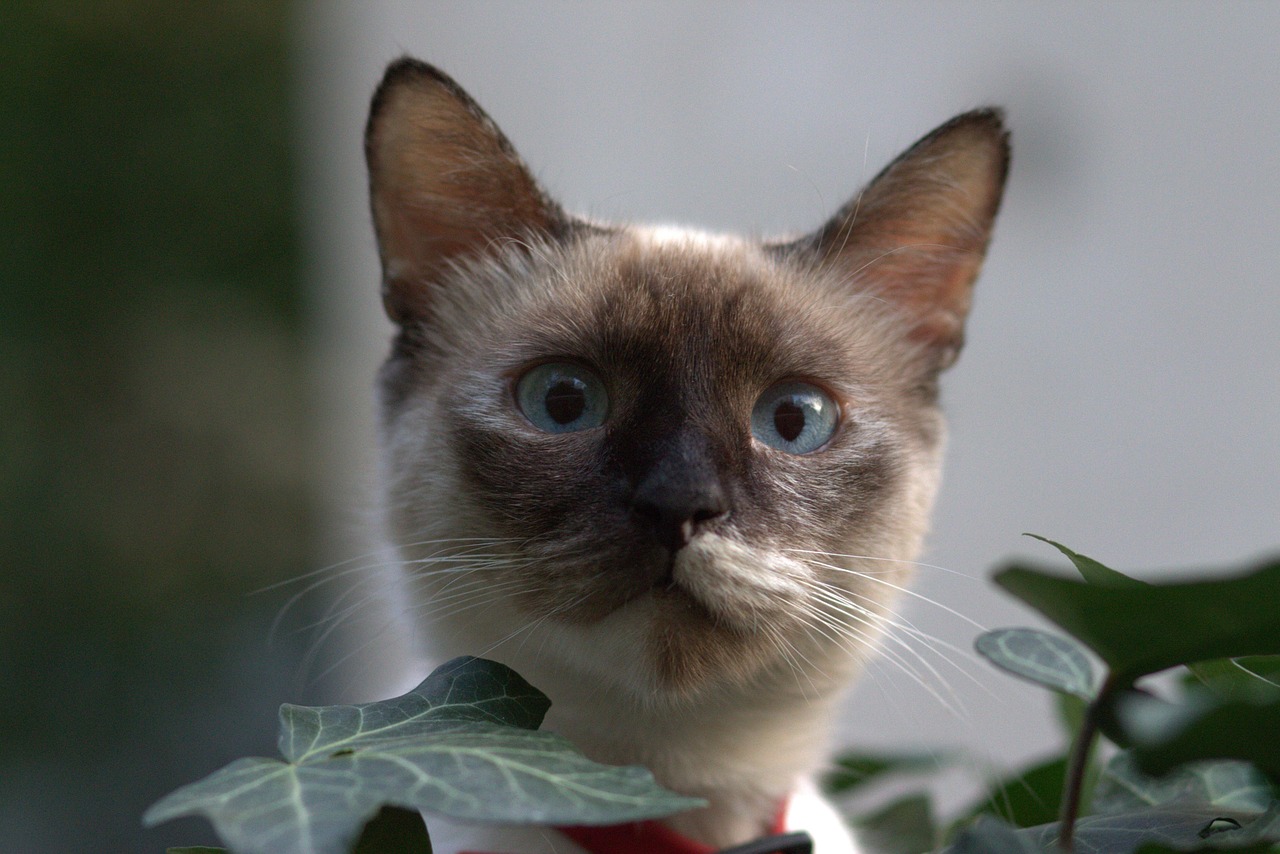

Choosing the Right Vet for Your Burmese Cat
When selecting a veterinarian for your Burmese cat, it is crucial to consider several factors. First, ensure the vet has experience with feline breeds, particularly Burmese, as they have specific health needs. Look for practices that specialize in cats, providing a calm environment for your pet. Ask for recommendations from friends, family, or fellow Burmese owners. You can also check local online forums to gather insights. Consider the vet’s qualifications and certifications; they should have relevant degrees and be a member of professional veterinary organizations. Availability of services such as vaccinations, dental care, and emergency procedures is vital to choose the best vet. Schedule a visit to observe the clinic’s atmosphere and the staff’s interactions with animals. A proper facility should be clean, organized, and equipped with necessary tools. Pay attention to the overall demeanor of the veterinarian; they should exhibit patience and compassion. Lastly, consider the location’s convenience and office hours. Your Burmese cat deserves top-notch care, hence proper vet selection will ensure a healthy and happy life for them.
Communication between you and your veterinarian is paramount for your Burmese cat’s health. Look for veterinarians who can converse clearly about diagnoses, treatment options, and pet care. They should explain complex medical jargon in simple terms that are easy to understand. An ideal vet actively listens to your concerns regarding your cat’s health and behavior. This collaborative approach allows you to make informed decisions regarding food, preventive care, and overall wellness. Don’t hesitate to ask questions about specific treatments or procedures; a good vet will gladly provide thorough answers. Evaluate if they provide insights specific to Eastern or Western medicine practices, which can be beneficial for your cat’s unique needs. Your veterinary team should also keep comprehensive medical records that track your Burmese cat’s health history. Regular updates are vital for ensuring continuity of care. It’s equally essential for the vet to provide post-visit support and guidance, helping to answer any post-visit queries. Healthy relationships minimize stress, ensuring that both you and your Burmese cat feel reassured during visits and throughout emergency situations.
Understanding Burmese Cat Health Concerns
Being familiar with common health issues associated with Burmese cats can significantly improve their care. Burmese cats are known for genetic predispositions to certain conditions, such as patellar luxation, respiratory problems, and dental issues. Therefore, it is essential to choose a vet who understands these specialized concerns and monitors them closely. Regular health check-ups help in the early diagnosis and treatment of these conditions. Many veterinarians recommend routine tests, including blood work and dental cleanings. Inquire if the vet incorporates these tests during annual visits for effective preventive care. Furthermore, discuss nutrition plans tailored to Burmese cats with the vet, as these felines can also face obesity or digestive issues. These consultations will ensure that your Burmese cat receives a balanced diet suited to their age and activity level. Vaccinations against diseases like feline leukemia and rabies should not be forgotten either. Establishing a strong health plan with a vet who understands the specific needs of Burmese cats ultimately determines their long-term health and happiness.
Your Burmese cat’s socialization and behavior are crucial elements to address with your veterinarian. Burmese cats are known for their affectionate and sociable traits, usually requiring more interaction than other breeds. Consult your vet for strategies to enrich your cat’s environment, including playtime, stimulation, and possibly the addition of another pet. Understanding natural behaviors helps in fostering positive habits. If your cat shows signs of anxiety or aggression, it is beneficial to ask your vet for behavioral advice or even enrichment suggestions. Consider discussing the importance of proper training techniques and litter box habits. Some Burmese cats may have issues with territorial behavior or litter training due to stressors in their environment. In cases of persistent behavioral problems, your vet may recommend a pet behaviorist or provide you with resources. Social activities, such as attending cat shows or joining local Burmese breed clubs, can also contribute positively to your cat’s social life. Commitment to understanding your Burmese cat’s personality and social needs will lead you towards a healthier emotional state.
Considering Alternative Therapies
Alternative therapies can be a viable option when considering treatments for your Burmese cat. Discussing complementary medicine, such as acupuncture or physical therapy, with your veterinarian may uncover innovative treatment avenues for chronic ailments. Some holistic practices have shown promising results in managing arthritis pain, enhancing mobility, or reducing stress. Inquire about any experiences your vet has with alternative treatments, ensuring they are informed about potential benefits and risks. Additionally, ensure that these practices are administered by certified professionals who specialize in animal care. Always have open discussions about integrating standard veterinary care with alternative therapies to maximize health benefits. Keep your vet in the loop regarding any changes or new treatments you decide to explore for your Burmese cat. Monitoring your feline’s reactions to various therapies is essential, as responses can vary among individuals. Their recommendations may involve dietary supplements to support overall health or coping strategies for stress relief during veterinary visits. The goal is to enhance your Burmese cat’s quality of life while ensuring they receive comprehensive and compassionate care.
Emergency preparedness is a critical aspect of caring for your Burmese cat. Establish a solid plan regarding how to handle emergencies before they arise. Ensure your veterinarian provides detailed guidance on what steps to take during an urgent situation, including signs to watch for indicating immediate need for care. Familiarize yourself with first-aid techniques tailored for cats, especially your Burmese. Keeping a first-aid kit at home specifically designed for your cat’s needs can save precious time during crises. In addition, ensure your vet’s contact information is easily accessible, alongside emergency clinics nearby. Regular veterinary visits can help anticipate potential health emergencies, allowing you to understand better your cat’s unique health profile. A relationship with a vet who can provide fast diagnostics and effective treatments during critical moments is invaluable. You might also want to talk to your vet about insurance options that cover emergency treatments. Planning in advance fosters peace of mind for both you and your Burmese cat, securing their ongoing safety and health. This commitment to preparedness greatly reduces anxiety during unexpected situations.
Maintaining Ongoing Care
To ensure your Burmese cat enjoys a fulfilling and healthy life, maintaining a good relationship with your veterinarian is essential. Establish routine check-ups to keep track of their health, particularly in their senior years. Yearly or bi-annual visits allow the vet to monitor your cat’s well-being effectively. Regular vaccinations help protect against diseases, while dental check-ups ensure your cat’s oral health remains intact. Discuss the possibility of blood work or other diagnostics during these visits to keep tabs on essential health metrics. Keeping a record of any changes in behavior or health helps provide your vet with essential information during appointments. Involve family members in your cat’s care to promote consistent habits. Communication within the household about diet, medication, and activities is vital for your cat’s well-being. As your Burmese cat ages, adjustments to their care routine will become necessary. Be proactive in discussing dietary needs and suitable exercise routines with your veterinarian. Your commitment to maintaining ongoing care results in happy cats that thrive through all life stages.
Finally, advocacy plays a significant role in ensuring your Burmese cat receives the best possible care. Stay informed and knowledgeable about feline health and welfare issues through reputable sources. Active participation in cat organizations can also reveal new information about breed-specific care and health management. Your involvement can enhance your understanding of any changes in protocols for caring for Burmese cats. Furthermore, advocating for your pet ensures that you are raising awareness about their unique needs within the veterinary community. Voicing concerns or raising questions during vet visits can contribute to better practices for the welfare of all cats in the practice. Connections with local Burmese cat fan clubs can also promote shared experiences and best practices among owners. Network with other owners to stay updated on essential health care resources. Engage with your veterinarian to collaborate on initiatives that enhance the well-being of these affectionate felines. Your efforts create an environment that supports both your Burmese cat and the larger community of pets and their owners.