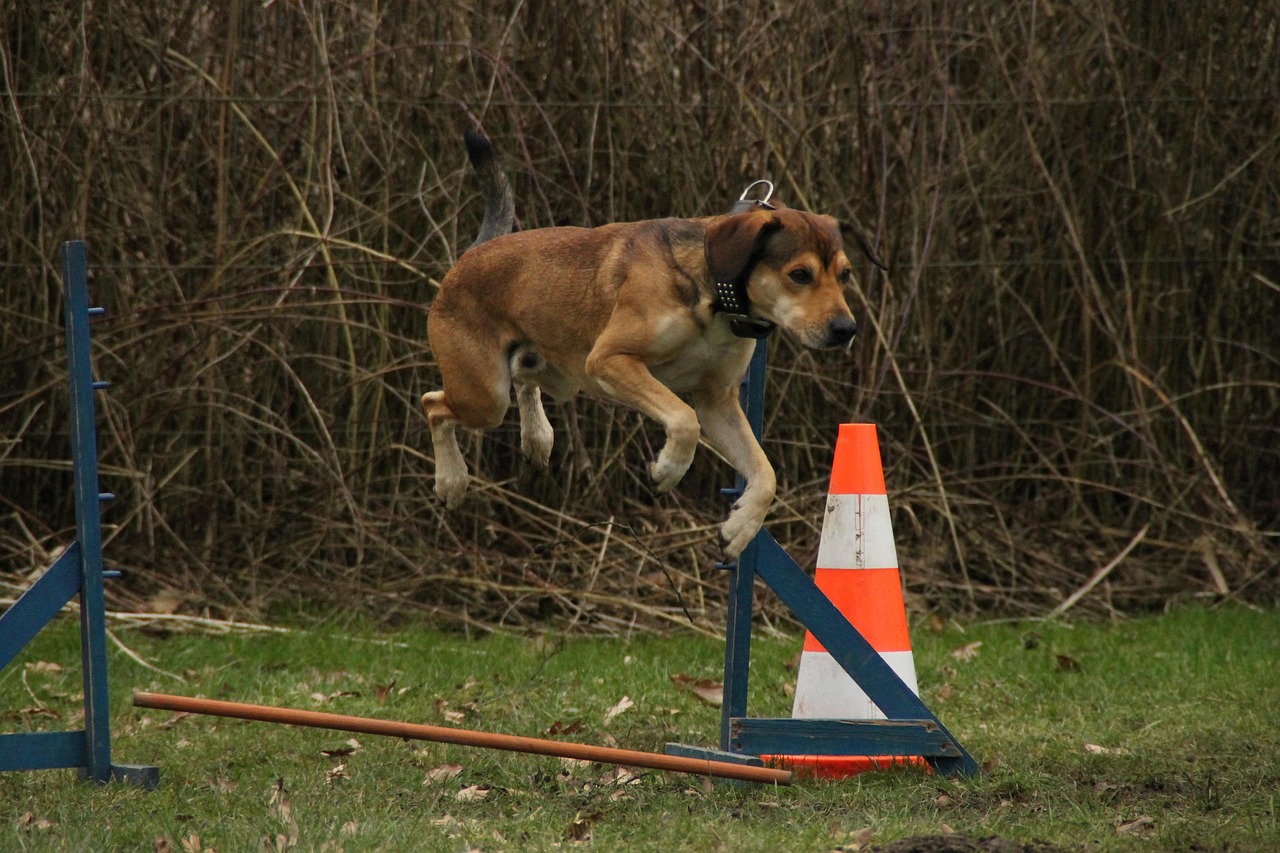

Debunking Common Dog Exercise Myths: What Every Owner Should Know
Many dog owners fall prey to common myths regarding their pets’ exercise needs. One prevalent misconception is that all dogs require the same amount of exercise. In reality, various factors dictate exercise requirements, such as age, breed, and health. For instance, a Greyhound may need more running time than a bulldog, which prefers shorter, moderate walks. It’s vital to customize exercise plans based on these factors and consider your dog’s energy levels and temperament. Another widespread myth is related to outdoor exercise. While outdoor activities are essential, mental stimulation also plays a significant role in a dog’s overall well-being. Engaging your dog with puzzle toys, obedience training, and socialization can help fulfill their exercise needs without always relying on extensive outdoor activity. Combining physical and mental exercises not only keeps your dog fit but also strengthens your bond. In summary, understanding the unique requirements of your dog is crucial for their health and happiness. Consulting your veterinarian about tailored exercise routines will lead to better outcomes.
The myth that dogs will naturally know how much exercise they need often leads to inadequate activity levels. While dogs possess intuitive behaviors, they are less likely to be aware of their exercise requirements without guidance. Owners can misinterpret their dog’s behavior; for example, a lack of interest in outdoor activities might signify boredom rather than satisfaction. It’s essential to establish a consistent routine that caters to your dog’s individual preferences and needs. Additionally, understanding the signs of under-exercise is critical. Dogs may display excessive energy through destructive behaviors or restlessness. Knowing these signs will help pet owners proactively engage their dogs in sufficient exercise. Moreover, some might believe that older dogs don’t need exercise, yet this is another myth that warrants correction. Senior dogs still benefit greatly from daily movement, albeit at a moderated pace. Regular walks and gentle play ensure they maintain a healthy weight, muscle mass, and joint flexibility. This proactive approach to exercise contributes to an improved quality of life for your older pet. Thus, acknowledging these realities can mitigate various health concerns associated with inactivity.
Another misconception about dog exercise is that prolonged outings are always best. While longer hikes or extended play sessions seem appealing, they may not suit every dog. Overexertion can lead to injuries, especially in breeds that are not designed for endurance. Lengthy sessions may also detract from the quality of the time spent together with your dog. Short, focused exercise routines, whether through interactive games or brisk walks, can often be more beneficial. The key is to match the activity with the dog’s capabilities. Fitness levels play a substantial role in determining the right exercise duration. Additionally, the time of day and weather may affect your dog’s performance. It’s crucial to monitor their responses during exercise, as early signs of fatigue can indicate when it’s time to pause or switch activities. Incorporating various activities, like swimming, fetch, or agility exercises, keeps your dog mentally engaged while ensuring they receive an adequate workout. A diverse approach will contribute positively to their physical health and psychological well-being. So, prioritize knowledge over assumptions when planning your dog’s exercise program.
Understanding Dog Breeds and Their Exercise Needs
One of the most significant aspects of dog ownership is understanding the exercise requirements inherent to different breeds. Some breeds, such as border collies and labradors, are genetically predisposed to high energy levels and require consistent, rigorous activity. Smaller or less active breeds might find similar satisfaction with considerably less effort, which is essential when crafting their exercise regimen. Owners often mistakenly think all dogs can handle extensive workouts leading to frustration and disappointment. Similarly, many believe that long daily exercise sessions suffice. However, this imbalance can lead to behavioral issues if not managed wisely. Therefore, it’s crucial to remain aware of your dog’s breed-specific traits. Regular assessments are important if they exhibit behavioral worries linked to insufficient stimulation. Recognizing individual personalities within the breed can further assist in determining what’s suitable for your dog. Remember, devoted attention to their needs fosters healthy habits, enhancing their quality of life. The right knowledge allows you to transform exercise from a chore into a brought together time spent exploring or engaging in mentally stimulating activities.
Another popular myth is that high-intensity exercise is only possible in a park-like environment. However, urban trends demonstrate that dogs can benefit from various types of structured activities without needing vast open spaces. City environments can also provide diverse and stimulating walks, which can integrate various distractions, such as other animals and humans. Opting for different paths and routes can rejuvenate basic walking routines, ensuring dogs experience new scenery and scents regularly. Pet owners often overlook the value of engaging their dogs through everyday activities, incorporating them into walks. Simple activities like practicing signals or training during walks allow dogs to get adequate exercise while also reinforcing good habits. Additionally, dog-friendly indoor spaces have emerged as alternatives ensuring genuine exercise takes place regardless of conditions outside. These flexible approaches help debunk the idea that active spaces are necessary. The focus should always be on maximizing the experience rather than the location itself. Every owner can nurture their dog’s adventurous spirit while ensuring they remain healthy and positively engaged through creative, adaptable exercise styles.
The Importance of Consistency
Consistency in exercise routines can often be overlooked, yet it is integral to achieving a balanced lifestyle for your dog. Many owners cycle through different activities but fail to stick with any long enough to notice benefits. Developing a habit not only aids in ensuring that your dog gets the required physical exercise, but it also encourages mental and emotional stability. When dogs anticipate structured times for play and walks, it promotes a sense of security and discipline. With regular exercise routines, dogs tend to showcase improved moods and fewer behavioral problems. On the flip side, erratic schedules can lead to anxiety, similar to shifts in a child’s daily routine. Standardizing your dog’s play can also help reinforce learned behaviors and skills, establishing their trust and understanding of expectations during exercise. Moreover, this consistency positively impacts health markers, reducing potential health risks. Owners often underestimate how crucial regularity can be for maintaining a healthy and fulfilled life for their canine aides. Aim for a consistent exercise schedule tailored to fit your lifestyle while aligning with your dog’s needs for optimum well-being.
Finally, one significant myth worth addressing is the idea of exercise as a solitary affair. While many view exercise as a personal task to be enjoyed independently, it is essential to remember the value of socialization for dogs. Engaging with other dogs and people through playdates or group walks fosters interaction, allowing your dog to learn proper behavior and communication skills. Furthermore, many dogs thrive off their owners’ energy levels, making engaging together a rewarding experience. Group training classes can also enhance social skills and provide stimulation. Participating in fun activities allows your dog to establish connections while receiving needed teachings regarding social etiquette and boundaries. Owners, too, gain insight, benefiting from observing interactions among other dogs. This interaction underscores the importance of enjoying exercise collectively, strengthening bonds between dogs and their owners. Exercise does not only mean tedious routines or strict plans; it represents an opportunity for shared discoveries and enrichment. Ultimately, social engagement significantly contributes to your dog’s physical and emotional well-being, offering a fun twist to daily exercise routines.
Debunking Common Dog Exercise Myths: What Every Owner Should Know
Many dog owners fall prey to common myths regarding their pets’ exercise needs. One prevalent misconception is that all dogs require the same amount of exercise. In reality, various factors dictate exercise requirements, such as age, breed, and health. For instance, a Greyhound may need more running time than a bulldog, which prefers shorter, moderate walks. It’s vital to customize exercise plans based on these factors and consider your dog’s energy levels and temperament. Another widespread myth is related to outdoor exercise. While outdoor activities are essential, mental stimulation also plays a significant role in a dog’s overall well-being. Engaging your dog with puzzle toys, obedience training, and socialization can help fulfill their exercise needs without always relying on extensive outdoor activity. Combining physical and mental exercises not only keeps your dog fit but also strengthens your bond. In summary, understanding the unique requirements of your dog is crucial for their health and happiness. Consulting your veterinarian about tailored exercise routines will lead to better outcomes.