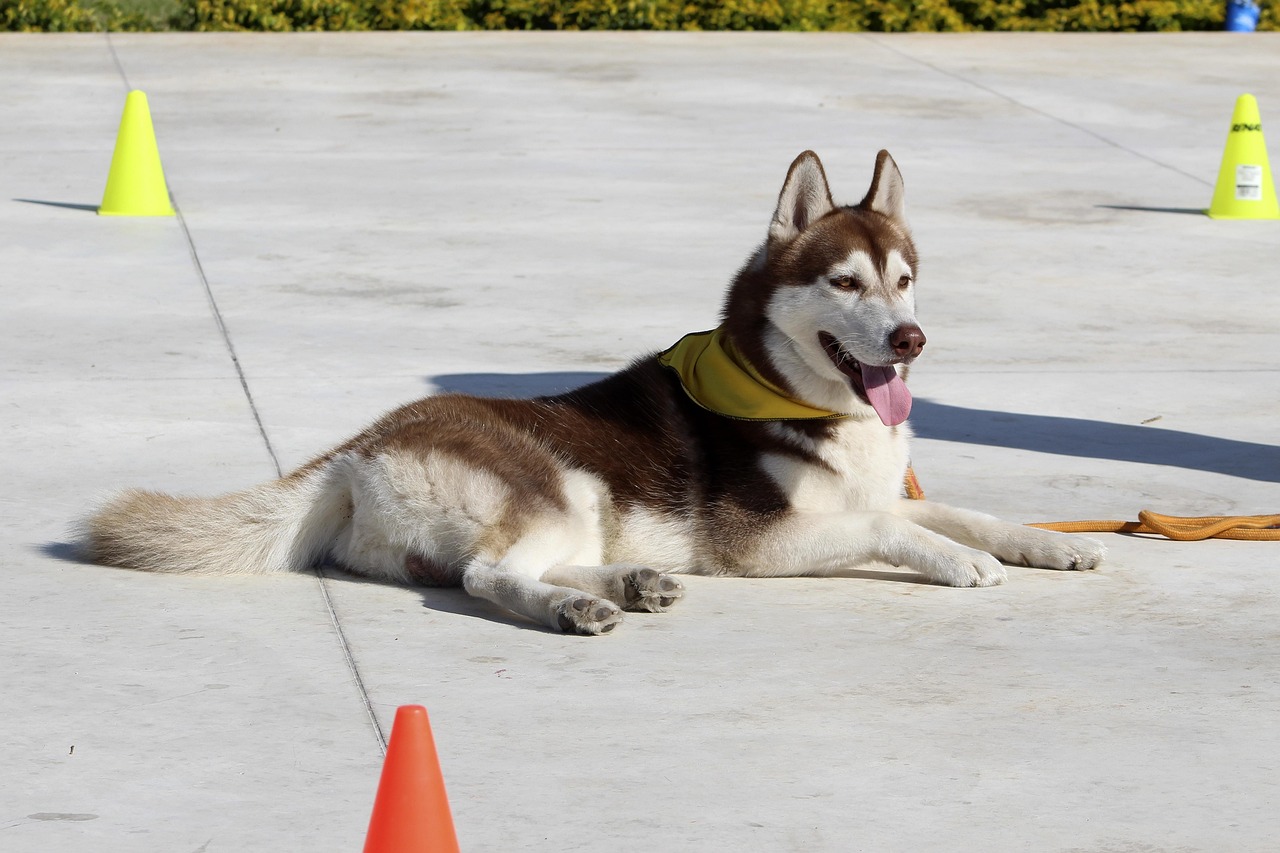

Introduction to Canine Obedience Training for Breeders
Canine obedience training is an essential aspect of dog breeding that contributes to the well-being and socialization of dogs. As a breeder, understanding different training methodologies can significantly enhance your breeding program. A strong emphasis on basic commands such as sit, stay, and come is crucial. These commands not only help maintain good behavior in pets but also facilitate the bond between the dog and its owner. Utilizing positive reinforcement techniques, such as treats and praise, creates a supportive training environment. Each dog has a unique personality, so tailoring your approach to individual needs is key to success. In addition, early socialization with various environments, people, and other animals contributes to a well-rounded, obedient dog. Furthermore, incorporating recorded training sessions can help you identify areas where your methods might improve. Breeders should strive to educate new owners about the importance of continued obedience training. Regular classes or sessions can reinforce skills learned in the early stages. By prioritizing obedience training, breeders ensure that their dogs lead happier, more productive lives, reducing the risk of behavioral problems in the future.
The Importance of Training Early
Early training is vital for establishing a foundation for obedience in canine behavior. As puppies, dogs are especially receptive to learning, making this the perfect time for breeders to engage with them. Starting at an early age, around seven to eight weeks, exposes puppies to various stimuli and situations, fostering adaptability. Implementing short, consistent training sessions prevents frustration and keeps the experience positive. Puppies can learn fundamental cues and tricks through play, creating a fun atmosphere. Consistency is key in obedience training; using the same commands and signals will help the puppy connect the behaviors with the desired actions. Additionally, incorporating socialization into the training process allows puppies to interact with different people and pets. Such exposure helps build confidence and reduces fear or aggression later in life. Importantly, breeders should educate prospective dog owners about the significance of early training and provide them with resources or recommendations. By ensuring that new owners continue the training at home, the foundation that breeders establish can flourish. This collaborative effort between breeders and owners is instrumental in promoting responsible dog ownership and maintaining long-term behavioral standards.
Positive reinforcement is a significant cornerstone in effective obedience training, focusing on rewarding desired behaviors rather than punishing unwanted actions. For breeders, demonstrating effective positive reinforcement techniques can greatly benefit the long-term relationship between dogs and their owners. Offering rewards, such as treats or praise, encourages dogs to repeat the desired behavior. The excitement in a dog’s eyes when it receives praise after performing a command reinforces the bond between the dog and its trainer. Ensuring that rewards are given immediately after the behavior increases the likelihood of the dog associating the command with its action. Additionally, it’s essential to vary the rewards to maintain motivation. Some days a treat may suffice, while other days a favorite toy can be used instead. Owners should also understand that rewards do not have to be tangible; verbal affirmations and petting are equally effective. Over time, as the dog becomes proficient, rewards can be gradually reduced. Yet, the bond established through this training should remain strong through regular interaction and play. Training with positive reinforcement not only results in obedient dogs but also fosters an enjoyable learning experience for both parties.
Understanding canine body language is essential for breeders and owners alike. Dogs communicate their feelings and intentions through various signals that can sometimes be subtle yet meaningful. Observing body language helps to enhance training effectiveness and enables better management of dogs. For example, a dog that turns its head or lowers its body may be feeling insecure or anxious. Recognizing such signs allows for timely intervention to create a positive environment. Similarly, a wagging tail doesn’t always signify happiness; the positioning and speed contribute to understanding the dog’s emotions. By educating themselves about canine body language, breeders can train dogs more effectively and identify areas that may require extra attention, particularly in social situations. A well-socialized dog can confidently interact with others, thus further reinforcing training outcomes. Breeders can promote educational resources, such as videos or workshops, to help new owners identify these signals in their dogs. This knowledge enables owners to respond appropriately to their dogs’ needs, thereby fostering trust and ensuring a harmonious home. Ultimately, prioritizing an understanding of body language is a crucial element in achieving a successful relationship between dogs and their humans.
Creating a Structured Training Routine
Establishing a consistent training routine is vital for effective canine obedience. A well-structured routine provides dogs with clear expectations and helps them learn in a predictable environment. Breeders should encourage prospective owners to create a schedule that incorporates daily practice. This schedule can range from simple commands to more complex behaviors, depending on the dog’s progression. Frequent, short training sessions, ideally lasting around 5 to 10 minutes, can maintain a dog’s focus without overwhelming them. It is essential to ensure that these sessions are interspersed with playtime, as it strengthens the bond between dog and owner. Breeders can also furnish new owners with a list of fun, engaging activities to incorporate into their training routine. These activities will keep both the dog and owner motivated, fostering a love for learning. Accountability is equally important; keeping a training log can help track progress and celebrate milestones. By establishing a structured routine, the journey into obedience training can transform into an enjoyable bonding experience. Owners will appreciate the consistency and will be more inclined to continue with the positive behaviors learned in early training stages.
Behavior modification plays a significant role in canine obedience training, particularly for problematic behaviors that may disrupt the owner-pet relationship. Breeders should recognize that addressing these behaviors early can prevent them from becoming ingrained habits. Identification of issues, such as excessive barking or food guarding, is the first step toward resolution. In many cases, modifying behavior involves redirecting the dog’s focus to more acceptable activities. This redirection gives dogs alternatives while emphasizing positive behavior, reducing their chances of engaging in unwanted actions. Breeders can use techniques like desensitization, where dogs are gradually exposed to situations that trigger unwanted behaviors, coupled with positive reinforcement to modify those behaviors. Importantly, ensuring consistency in how these modifications are handled across all caregivers is crucial for sustained success. Tips on handling specific behavioral issues should be provided to new dog owners. Encouragement should be given to seek professional guidance when necessary, particularly for complex behavioral concerns. Repairing the relationship takes time and patience; however, with consistent training and the right resources, canines can learn to fit more harmoniously into family life, leading to a happier environment for all.
Long-term Commitment to Training
Obedience training for canine companions is not a one-time endeavor but rather a lifelong commitment. Successful breeders recognize that they play an integral role in guiding both puppies and new owners toward establishing healthy training habits. Maintaining obedience through regular refreshers and practice sessions is vital for dogs. Callbacks, for example, should be part of daily interactions to reinforce learning continuously. As the dog matures, these sessions can evolve to include more advanced commands and tricks, ensuring continued engagement. It is essential to educate new owners about the evolving nature of training as their dogs progress through different life stages. Situations their dogs face will change depending on age and experiences, thus requiring adaptation in training approaches. Additionally, connecting new owners to local training groups can offer a supportive network, fostering continued learning and camaraderie. Keeping training exercises fun and rewarding ensures that the bonding experience between dog and owner remains strong. By committing to long-term training, both breeders and owners can contribute to the development of obedient dogs ready to positively engage in family life, reducing the chances of behavioral issues that could arise later.
In conclusion, canine obedience training represents an essential aspect of responsible dog breeding. Breeders who understand the vital elements of obedience contribute to their dogs’ development and facilitate loving relationships with potential owners. Early training, positive reinforcement, and understanding body language all play integral roles in shaping obedient canines. Moreover, establishing a structured training routine and modifying behaviors are essential components for long-term success. Breeders should strive to equip new owners with the necessary tools and knowledge to continue training efforts. A supportive network of training resources can help in sustaining obedience standards. As dogs progress through different life stages, ongoing training is crucial to adapt to their changing needs. The commitment from breeders and owners fosters a positive environment and leads to well-adjusted companions. When obedience training is prioritized, puppies grow into loving and well-behaved adult dogs, reducing the stress of behavioral problems. This harmonious relationship ultimately enhances family dynamics, making homes more enjoyable for everyone. Careful adherence to these principles establishes a breeding legacy that reflects responsible practices, showcasing a breeder’s commitment to the welfare and happiness of their dogs.