
Preventing Cross-Contamination of Parasites Among Multiple Dogs
Managing multiple dogs can be joyous but also comes with the necessity of diligent parasite control. Parasites not only threaten the health of individual dogs but can also be transmitted among them. Understanding how parasites spread in a multi-dog environment is crucial. Each dog can serve as a carrier, inadvertently infecting others. This cycle of cross-contamination can escalate rapidly if not adequately addressed. Regular check-ups with a veterinarian can help in diagnosing any parasitic infections early. Furthermore, implementing a consistent parasite prevention plan is vital. Options may include topical treatments, oral medications, and vaccinations against specific parasites. Adopting a schedule for administering these preventive measures ensures that all dogs remain protected concurrently. Additionally, maintaining a clean living space for your dogs is essential in reducing risks. Daily cleaning of the dogs’ living areas, such as bedding and play mats, minimizes the possibility of parasitic eggs surviving and infecting dogs. It’s imperative for owners of multiple canines to be proactive about parasite control and create a safe environment free from potential hazards.
One of the critical components of parasite control in multi-dog homes is proper hygiene. Keeping your dogs clean can significantly reduce the risk of parasite infestations. Regular baths help remove dirt and debris where parasites can reside. Additionally, brushing your dogs helps eliminate loose fur and skin flakes that may harbor pathogens. Pay special attention to areas where parasites often congregate, such as around the ears, paws, and tail. After outdoor walks, thorough inspections of your dogs’ bodies can identify any unwanted guests. Furthermore, washing your hands after handling each dog is vital. This simple act prevents the spread of parasites from one dog to another, ensuring their health remains intact. Using designated leashes and collars for each dog can also minimize cross-contamination during walks. If possible, avoid public dog parks, where multiple dogs gather and increase the likelihood of parasite transmission. Ensure each dog has their own designated eating area and food bowl to promote a safe environment. Also, regularly scheduled veterinary visits for each dog strengthen their health against potential infestations.
An essential step in ensuring successful parasite control is recognizing the signs of infestations early. Common symptoms include itching, lethargy, unusual appetite changes, or gastrointestinal issues. Look for any signs of irregularities in your dogs’ behavior. If one dog shows signs of infection, isolate them immediately to prevent further spread. Regular fecal examinations by a veterinarian can detect the presence of worms or protozoa, allowing for prompt treatment. Quick action can minimize the impact on the overall health of the dogs in the home. It’s also important to educate all family members about these signs so that they can assist in monitoring the dogs. Furthermore, providing your dogs with balanced nutrition boosts their immune systems, making them less susceptible to parasite infestations. The healthier the dogs are overall, the better they can fight off potential infections. Consider probiotics to enhance gut health, which can help in fortifying the digestive system against parasites. By remaining vigilant and informed, you can establish a solid foundation for preventing parasite outbreaks among your dogs.
Vaccinations and Preventive Treatments
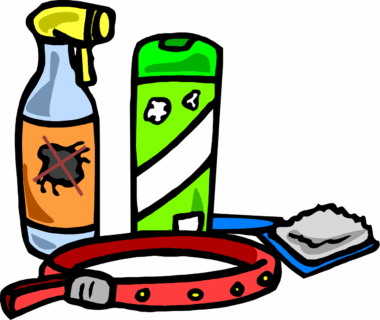
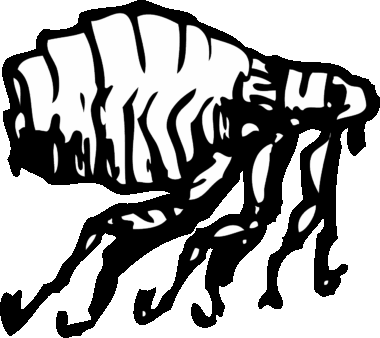
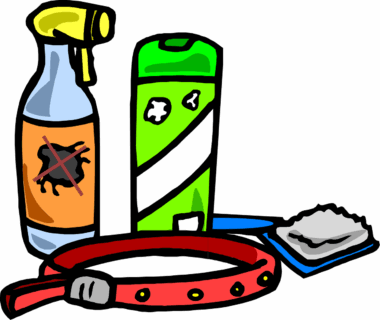
In addition to good hygiene practices, vaccinations and preventive treatments are vital in combating parasites. Consult with your veterinarian about the appropriate vaccination schedule tailored to your dogs’ needs. Specific vaccines target common parasites, offering an extra layer of defense. Heartworm, for instance, is a fatal parasite that can be easily prevented through monthly medications. Likewise, talk to your vet about flea and tick preventatives. These infestations can lead to significant health complications beyond simple discomfort. Options range from topical solutions to oral chews, making it convenient to find a suitable product for your dogs. Administering these preventive treatments on time significantly decreases the chances of your pets contracting illnesses caused by these parasites. Developing a comprehensive health plan that includes vaccinations, routine exams, and preventive care is integral in maintaining your dogs’ overall well-being. Furthermore, it is crucial to adhere to dosage guidelines and scheduling. Failure to do so may compromise their efficacy, leaving your dogs vulnerable to parasitic infections. By prioritizing vaccination and prevention, you enable your dogs to lead healthier lives.
Another important aspect of preventing cross-contamination is fostering good habits during dog interactions. If you regularly introduce new dogs to your home, ensure that they are up-to-date with their parasite preventatives. New dogs should undergo medical evaluations to confirm they’re parasite-free before interacting with existing pets. This practice reduces the risk of introducing new parasites into your home environment. Additionally, keeping gather times supervised helps ensure that dogs are not engaging in behaviors, such as shared play that can lead to contaminating one another. Set boundaries regarding shared toys and items to limit transmission opportunities. If one dog requires treatment for an infestation, ensure that others are treated as well to avoid holding onto the parasite cycle. Use separate grooming tools for each dog, if possible, and sanitize them regularly, especially after use. In the case of outdoor play, limit access to areas that may be harboring parasite eggs, such as heavily wooded or grassy spots. By being proactive in monitoring interactions, ensure a healthier play environment for all dogs involved.
Creating a parasite control routine in a multi-dog household is essential to ensure health and safety. This routine should include daily monitoring of each dog’s health and hygiene. Schedule a specific day of the week to conduct thorough checks, examining fur and skin conditions for signs of parasites. This may also be a great time to bathe your dogs, which is a good preventive measure against fleas and ticks. Regular grooming not only keeps your dogs clean but also allows you to spot symptoms early. Managing feeding and walking schedules can minimize the potential for cross-contact with parasites. Always clean up after your dogs to eliminate the risk of contamination from fecal matter. This reduces the risk of parasite contamination in shared areas. Feeding proactive measures, such as using quality food, supplements, and regular vet check-ups can contribute to overall well-being. Keeping veterinary records available for each dog is beneficial, as it can help track the effectiveness of parasite prevention strategies. Following this organized approach will eliminate confusion and streamline your efforts to keep your dogs safe.
Frequently Asked Questions
Finally, addressing frequently asked questions about parasite control in multi-dog homes reinforces knowledge and confidence in your practices. Owners often ask how often they should administer preventatives and check for infestations. Typically, monthly preventive treatments for parasites are ideal, but always consult your veterinarian for personalized advice. Regular flea and tick checks should be part of your routine, especially after outdoor activities. Also, long-standing questions refer to the best cleaning products for eliminating parasites in the environment. Look for products that are specifically formulated to eliminate pet parasites and are safe for use around animals. Many pet-specific cleaners are available in pet stores or online. Another common concern is managing dog behavior during treatments. Creating a positive association with treatments through positive reinforcement can make it easier to administer them. Regular training sessions also help ease anxiety related to treatments. By addressing common queries, you establish a stronger foundation of understanding about parasite control, essential for healthy multi-dog homes. Stay informed and encourage others in your community to prioritize the health of their pets.
One of the critical components of parasite control in multi-dog homes is proper hygiene. Keeping your dogs clean can significantly reduce the risk of parasite infestations. Regular baths help remove dirt and debris where parasites can reside. Additionally, brushing your dogs helps eliminate loose fur and skin flakes that may harbor pathogens. Pay special attention to areas where parasites often congregate, such as around the ears, paws, and tail. After outdoor walks, thorough inspections of your dogs’ bodies can identify any unwanted guests. Furthermore, washing your hands after handling each dog is vital. This simple act prevents the spread of parasites from one dog to another, ensuring their health remains intact. Using designated leashes and collars for each dog can also minimize cross-contamination during walks. If possible, avoid public dog parks, where multiple dogs gather and increase the likelihood of parasite transmission. Ensure each dog has their own designated eating area and food bowl to promote a safe environment. Also, regularly scheduled veterinary visits for each dog strengthen their health against potential infestations.