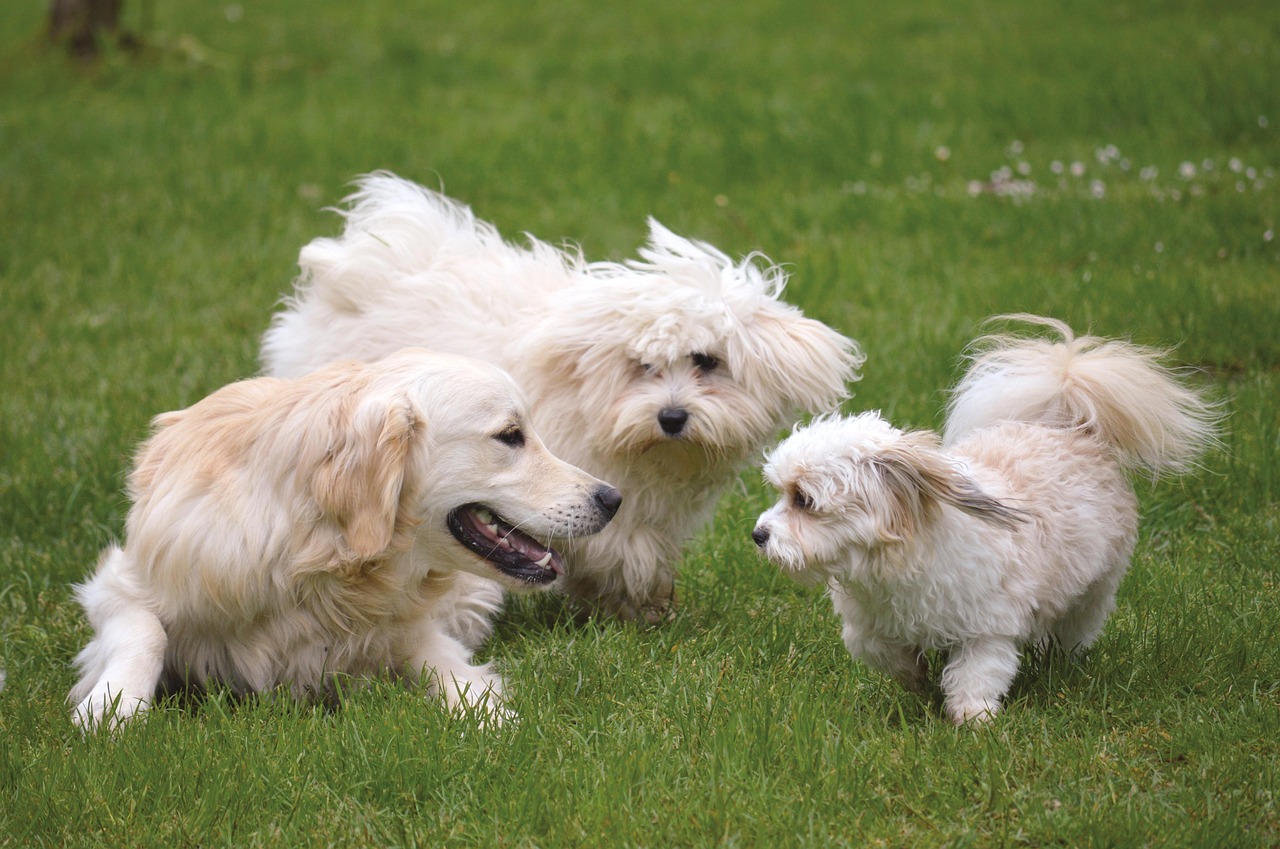

The Link Between Socialization and Fear Responses in Dogs
Understanding the impact of socialization on a dog’s behavior is critical for every dog owner and trainer. Socialization refers to the process of exposing dogs to different environments, people, and other animals. It is during these exposures that dogs learn how to react to various stimuli. Proper socialization can help mitigate fear responses that develop in challenging or unfamiliar situations. When puppies do not experience adequate socialization, they may grow up to respond fearfully to new encounters. It’s essential to provide a combination of positive experiences through systematic exposure to various environments so that dogs learn to trust and feel comfortable. Lack of socialization may lead to the development of anxiety disorders, which can severely impact a dog’s quality of life. Exercising caution while socializing is vital, as negative experiences can cause larger setbacks. Dog owners should approach socialization as an ongoing process rather than a simple checklist. Gradual and positive exposure remains the optimal approach to effective socialization in dogs, thus allowing them to navigate their world confidently.
Fear responses in dogs are often a result of inadequate socialization. Puppies who miss out on essential early experiences can develop fears toward potential stressors like loud noises or strangers. This fear may escalate over time, becoming anxiety or phobia if left unaddressed. Socialization is not just crucial for puppies; adult dogs also benefit significantly from new experiences. Engaging older dogs in socialization efforts can prove effective to reshape behavioral responses to previously unfamiliar situations. Behavior modification techniques, combined with socialization, can help alleviate fear. Variations of training include desensitization and counter-conditioning exercises. These interventions promote positive associations with fear-inducing stimuli. Socialization can also enable better communication between dogs and their owners. Dog-savvy owners can read their dog’s body language and responses more effectively through quality social experiences, thus strengthening their bond. A well-socialized dog is often more confident and behaves more predictably around others, reducing the likelihood of aggressive incidents. Implementing structured socialization outings with other dogs and diverse experiences is invaluable, equipping dogs to face the world without undue fear.
Positive reinforcement plays a prominent role in effective dog socialization and reducing fear responses. Encouragement, rewards, and praise are fundamental to building a positive association with new situations or individuals. When dogs associate new experiences with rewards, they are more likely to repeat desired behaviors in similar circumstances. Dog owners should ensure that interactions are stress-free and enjoyable for their pets. Implementing gradual exposure to new environments ensures that the experience is manageable. For instance, letting a dog meet a new person in an open space can help mitigate tensions and focus attention. Another key aspect of reducing fear responses involves reading the dog’s body language for signs of discomfort. Understanding when a dog is anxious or stressed allows for timely interventions, including breaks or diversions. Dog owners can also provide more control by using leashes, allowing the dog to explore while still feeling secure. Building positive social experiences takes time and patience. Inappropriate or rushed encounters may lead to negative associations; thus, careful management is essential for success and increased confidence in social situations for dogs.
The Importance of Early Socialization
The critical period for socialization in puppies typically occurs between three to fourteen weeks of age. This timeframe is when a puppy’s brain is most receptive to new experiences. Providing diverse encounters within this window can assist in establishing a well-adjusted adult dog. Early experiences greatly influence how dogs perceive the world throughout their lives. Puppies exposed to new people, environments, and various stimuli during this window often exhibit better adaptability and resilience against fear. Conversely, isolation or limited experiences may hinder behavioral development, resulting in anxiety. Responsible breeders and owners should prioritize proper socialization practices from an early age. Puppy classes offer structured environments where young dogs can learn to interact safely with peers and unfamiliar humans. Engaging in these classes leads to healthier social development, reducing potential fear responses later on. Furthermore, sharing these experiences with other pet owners facilitates additional socialization opportunities, enriching the puppies’ environment. Positive encounters with various stimuli contribute significantly to a well-rounded and mentally stimulated adult dog, ultimately supporting the dog’s emotional health.
In addition to early socialization, maintaining ongoing social engagement is equally vital in curbing fear responses in dogs. Socialization should extend beyond a puppy’s early life; it must be a continuous process throughout their existence. This ensures that adult dogs remain adaptable to changes ornovel situations in their lives. Regularly introducing new experiences can prevent the development of maladaptive behaviors that often accompany fear. Engaging dogs in social activities, such as dog parks or playdates, reinforces positive interactions and builds a network of trusted companions. Such outings also encourage essential skills like sharing and communicating with others. Dog owners can actively manage their dog’s social development by seeking out training or behavioral classes. These environments often present opportunities to learn new skills and challenges that can boost confidence. Enriching a dog’s calendar with social excursions establishes a well-socialized dog less prone to fear-driven reactions. This continued social exposure enables dogs to develop trust not only toward other dogs but also toward different people and environments, allowing them to enjoy a more fulfilling life.
Understanding the relationship between a dog’s temperament and their socialization experiences is crucial. Certain breeds and individual dogs may have predispositions to fears or anxious behavior. For instance, dogs bred for herding or guarding may exhibit more protective instincts and can show fear if not socialized properly. Recognizing a dog’s temperament allows owners to tailor their socialization efforts to best support their needs. Planning experiences that complement a dog’s personality can prevent undue stress and fear exposure. Furthermore, observing how dogs respond during socialization tasks helps identify their comfort levels. Utilizing gradual desensitization techniques can also ease dogs into social situations based on their temperament. The relationship between temperament and socialization influences not only the dog’s behavior but also its ability to adapt successfully to everyday life. Engaging temperament-aware socialization experiences can lead to significantly improved overall behavior and emotional health. By monitoring these dynamics, owners can enhance their dog’s quality of life to foster trust and build strong connections with their environment.
Conclusion: Building Resilience through Socialization
Overall, the connection between socialization and fear responses in dogs cannot be overstated. Establishing early socialization practices significantly influences a dog’s future behavior and stress levels. Through exposure to various stimuli, socialization promotes resilience and adaptability. Continuously engaging with new experiences not only supports mental health but also enhances emotional well-being. The importance of keeping dog owners informed about various socialization techniques remains critical. Implementing strategies such as positive reinforcement, gradual exposure, and continual social interactions leads to improved fear management in dogs. Recognizing a dog’s unique temperament and behavioral patterns allows owners to tailor socialization efforts, ensuring a fulfilling and satisfying life for their pets. With proper guidance and dedication, dog owners can safeguard their pets from potential fear responses while building trust. Lastly, fostering an environment that encourages exploration and positive reinforcement allows dogs to thrive socially. As a result, both the owner and the dog benefit from enriched experiences and enhanced companionship, enriching their bond and paving the way for happier, more confident dogs.
Conclusively, dog socialization contributes to overall behavior management, creating a positive and adaptable pet. It is paramount for every owner to prioritize social experiences while observing their dog’s reactions. By understanding the interplay between socialization and fear responses, owners can take actionable steps to create healthy relationships for their pets. Encouraging positive interactions provides emotional benefits for dogs and helps foster resilience against fear in unpredictable situations. Making socialization a regular practice ensures that dogs remain well-adjusted companions throughout their lives. In closing, ensuring effective socialization strategies is not only a privilege but a responsibility every dog owner should embrace for the sake of their beloved pets. Building a strong, joyful relationship between dogs and their owners enhances quality of life and promotes peace in community settings. Creating a stable environment through careful planning and awareness is vital for dogs to navigate the world unafraid. Through consistent guidance, patience, and love, owners have the power to shape resilient, well-socialized dogs capable of enjoying life to the fullest.