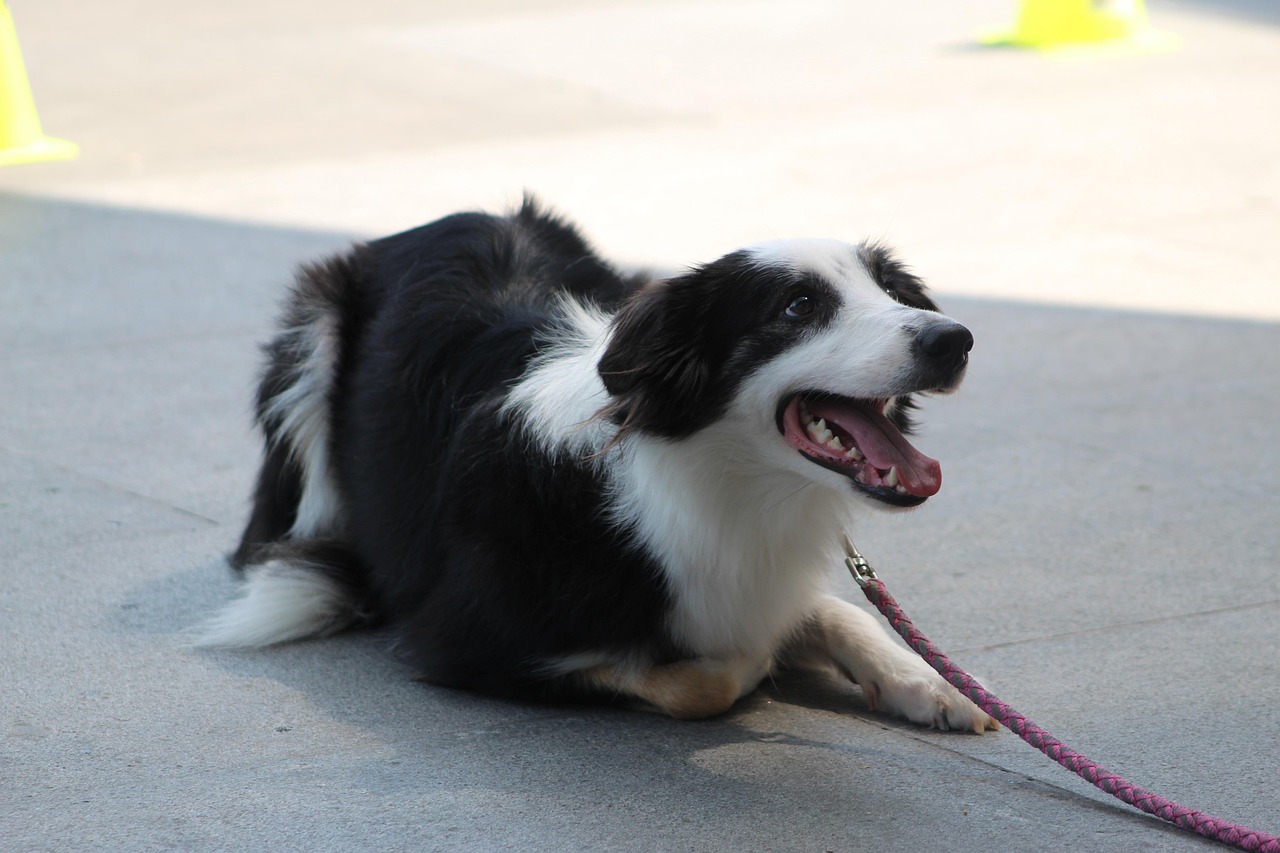

Training the Stay Command with Children Involved
Training your dog to stay is essential for good behavior and safety. This command allows you to control your dog’s movements and keeps them from running into dangerous situations. Involving children in the training process can be beneficial for both the dog and the child. It allows kids to build responsibility and enhances their bond with the dog. Start by explaining to your child the importance of the stay command and how they can help in training the dog. Make sure they understand that positive reinforcement, such as treats and praise, is crucial. Use short training sessions to maintain the dog’s interest and avoid overwhelming them. A calm environment with minimal distractions is ideal during initial training sessions. Demonstrate how to use the command clearly before involving your children. Ensure that children are supervised closely as they engage in this activity to prevent any misunderstandings or accidents. This creates a safe and enjoyable learning experience for all involved. With consistent effort, patience, and encouragement, the dog will respond reliably to the stay command, which is vital for their safe interaction with children.
To begin training the stay command, gather your children and prepare a safe space with your dog. Have some treats on hand, as these will be essential for rewarding your furry friend. Start by getting your dog to sit. Then, use the verbal cue, “Stay,” while showing your dog a treat. This visual connection will help them understand what they need to do. As your children observe, encourage them to mimic your movements. Keep sessions short and engaging, ensuring your dog remains focused. Children can take turns being the command givers. This sharing not only teaches the command but fosters teamwork among them. Each time the dog stays longer, reward him to reinforce the behavior. It’s beneficial to practice this command in varying locations such as your backyard or a quiet park, as this will help your dog learn to remain steady in different environments. Consistent repetition is key; even just five to ten minutes a day is more effective than longer sessions. Children should be patient and calm; excessive excitement can distract the dog and hinder the learning process.
Introducing Distractions to Stay Command
Once your dog masters the basic stay command with minimal distractions, it’s time to introduce various stimuli. It is essential to teach your dog to maintain the stay position, even when distractions arise. Involving your children during this phase can be fun and effective. Initially, have your children walk around, but instruct them to remain calm and not rush or jump. Use treats to encourage the dog to focus solely on you. If your dog breaks the stay command, calmly reset them without scolding. Remind your kids that consistency is vital. They can assist in rewarding the dog when it successfully remains in place. Gradually increase the difficulty by using toys, moving further away, or having children gently toss a toy nearby. Always return to the command, and ensure the dog receives praise for its efforts. If the dog breaks the stay frequently, reduce distractions and gradually build back up. Rewards should be given immediately after the dog stays for even a short duration. This approach will reinforce the behavior positively, making it clear what you want them to do.
As your dog begins to excel at staying amidst distractions, teach your children to help gradually add distance to the command. This progression will not only strengthen your dog’s understanding of the stay command but will also improve their self-control. Even with kids moving around, receiving small rewards can motivate the dog to remain in place. Start with short distances before gradually increasing this over time. You can have children play a game where they take turns walking a distance away while the dog remains in position. Encourage your children to cheer when the dog successfully stays in position over varied distances. This engagement will help solidify a positive association with the stay command. As progress continues, use more distance to assess how well the dog retains the command under more challenging conditions. Remember to celebrate both small and big victories. Utilize the principle of patience and ensure that each session is a blend of fun, learning, and functionality. Remind the children that effort and consistency will eventually yield results that make maintaining the stay command second nature for their furry companion.
Maintaining Enthusiasm and Consistency
Once your dog and children are comfortable with the stay command, keeping up the enthusiasm is next. Reinforcement should not stop once the command is learned. Regular practice sessions maintain consistency and strengthen the bond between the dog and children. You can create a game out of the command, where a family member may hide somewhere while the dog stays with your child. Then, call back the dog to reveal where the hidden person is. Such playful interactions can keep the environment exciting and engaging. Regular reinforcement through treats, praise, and playtime will ensure your dog does not lose motivation. Make sure your children understand the importance of being leaders and responsible trainers. As kids build confidence in handling their dog, this experience will teach them valuable life lessons about patience and responsibility. Remember, a tired dog is a well-behaved dog, so consider incorporating physical activities like walks or play sessions whenever you practice commands. Make it an enjoyable learning experience for children and dogs alike while fostering teamwork, respect, and love throughout the training process.
Finally, it is crucial to be mindful of each dog’s unique capabilities and personality during the training process. Not all dogs learn at the same pace; therefore, continue to tailor the training approach to suit your furry friend’s needs while involving children every step of the way. When you recognize moments of growth or achievement, celebrate them as a family. Recognition is vital for promoting a supportive and positive environment. Discuss any challenges openly with your child, ensuring they understand it’s natural for both them and the dog to face hurdles. Remain adaptive, altering your strategies as needed to accommodate what works best. Incorporating group activities or bringing in other pets may help to enrich the overall experience for everyone. Over time, these continuous learning opportunities united with play can build a robust command response and foster an unbreakable bond between your pet and children. This final stage is just as significant as the beginning steps. The ultimate goal is for the dog to respond regardless of distractions. Consistent and prolonged practice will help achieve this desired behavior in any situation.
Conclusion and Continuous Learning
Creating a rewarding training experience for both dog and children with the stay command can yield long-lasting, positive outcomes. Training sessions filled with fun not only teach dogs essential commands but also instill values of patience and responsibility in children. Continuation is vital; never consider it a finished task. Regular engagement and a willingness to teach will help keep the behavior fresh. Use opportunities for growth and learning every day, whether in the yard or during outings. Dogs thrive on positive reinforcement, and combining practice with enjoyable activities will further solidify their responses. Whether you are out on a walk, playing with friends, or spending time at the park, ensure your dog understands the stay command. This understanding provides a safe environment while fostering trust among family members. Lastly, share tips, insights, and experiences with other pet owners. Embracing community knowledge can bring further enjoyment and excitement into your training sessions. With time, effort, and love, you will develop a well-trained pup that enjoys being part of family adventures!