
Using Clicker Training for Scratching Behavior Control
Clicker training is a powerful tool for managing scratching behaviors in cats. It’s effective because it relies on positive reinforcement, allowing cats to learn desired behaviors without fear. First, you need a clicker, which is a small device that makes a distinct sound. This sound signals to your cat that a positive outcome is forthcoming. Start by familiarizing your cat with the clicker to create a positive association with the noise. You can do this by clicking and immediately giving them a treat. This forms a link between the click sound and their reward, which is crucial for successful training. Next, identify unwanted scratching areas like your furniture or carpets. Instead of punishing your cat, redirect their scratching to an acceptable surface, such as a scratching post. When your cat scratches the post, immediately click and treat, reinforcing this behavior. Consistency is paramount; repeat this process regularly to solidify the new habit. Eventually, your cat will recognize the scratching post as a positive destination, reducing their inclination to scratch your furniture. Always remember that patience is key during this training journey.
To reinforce the training process, it’s essential to understand your cat’s body language, as this will help you effectively manage their behavior. When training, watch for signs of stress or frustration, such as flattening ears or a twitching tail. If your cat shows these signs, take a step back and give them space. Training isn’t a one-time event; it requires continuous practice and reinforcement. It’s beneficial to set up multiple scratching posts in various locations around your home. Consider different types of materials, such as sisal or cardboard, to see what your cat prefers. Make sure the scratching post is sturdy enough, as an unstable post can deter your cat from using it. To further encourage your cat to scratch at the appropriate surface, use catnip or toys to entice them. When they use the designated scratching area, immediately click and reward. If you catch your cat scratching the furniture, gently redirect them to the scratching post without yelling or scolding. Redirecting their behavior reinforces their understanding of what is acceptable, promoting a healthy and rewarding scratching behavior.
Creating a Training Schedule
Establishing a structured training schedule is beneficial for both you and your cat. Start with short sessions, ideally around five to ten minutes, to keep your cat engaged without overwhelming them. Consistently train at the same time each day to help your cat anticipate and understand training cues. After feeding or playtime can be good options, as they may be more relaxed and willing to engage. During these sessions, it’s important to use a cheerful tone to motivate your cat. If they perform the desired scratching behavior, use the clicker promptly to mark the behavior correctly. Repetitive reinforcement is essential, allowing your cat to learn faster and gain confidence in their actions. You can incorporate play into training by using a wand toy near the scratching post. This method creates a fun, interactive environment while promoting scratching in a designated area. Gradually, your cat will connect the play and reward with the training. Keep a notebook or log of training sessions, noting behaviors and progress to track improvement. This systematic approach nurtures both the bond and the behavioral learning experience between you and your feline friend.
It’s important to celebrate small victories in the training process. Cats, much like humans, thrive on positive reinforcement and validation. This reinforcement does not always have to be a treat; you can compliment them lavishly by using words like “good kitty” or offering gentle petting when they demonstrate the desired behavior. Be mindful to avoid frustration; training does take time, and your cat may not grasp the expectations immediately. If they don’t respond to the training as quickly as anticipated, reassess your methods and gain insights on factors influencing their behavior. Additionally, evaluate your home’s environment, ensuring that potential distractions aren’t hindering the training process. If your cat finds it easier to scratch in isolation or away from chaos, consider a quieter area for training sessions. Engaging in mutual play outside of training also fosters trust and a bond, allowing them to see you as a positive presence in their lives. Always ensure that the surrounding areas are safe and comfortable for them during these interactions. This engaging atmosphere allows for a smoother transition into the desired behaviors that you wish to implement.
Addressing Setbacks
No training process is without its setbacks. It’s natural for your feline friend to sometimes revert to prior behaviors or show resistance. If you notice that your cat is again scratching unwanted surfaces, don’t panic. Instead, reassess the current training strategies to identify areas that may need adjustment. Sometimes, external factors, such as stress or changes at home, can influence your cat’s behavior. These distractions potentially culminate in old habits resurfacing, so it’s crucial to mitigate any additional stressors in their environment. Offer plenty of engaging toys and safe spaces where they can retreat when anxious. If through various methods, your cat is still scratching undesired areas, revisiting the clicker training fundamentals can reignite their understanding. Reinforce desired behaviors by rewarding them for every successful scratch on the designated post. The return to basics will help strengthen the learning process while enabling flexibility in adapting the training to suit your cat’s evolving needs. In this renewed training atmosphere, patience coupled with consistent reinforcement will make a significant difference.
Moving forward, you may want to consider gradual exposure to different types of surfaces for scratching. Experimenting with various textures can stimulate interest and assist in determining your cat’s preferences. As you introduce new scratching materials, remember to incorporate positive reinforcement through the use of your clicker. Creating an environment where scratching is encouraged can help solidify the training process further. You could also utilize vertical and horizontal scratching posts to make it more enticing. Cats often have varying scratching preferences based on their natural instincts. As they engage with these different areas, consistently reward them with treats or affection to reinforce good behavior. Incorporate this gradual exposure into your regular routine, making positive associations with your cat’s choices. By broadening the range of acceptable scratching surfaces, you provide your cat with more opportunities to fulfill their natural behaviors while practicing good habits. This flexibility in your training will ultimately enhance your journey together and maintain an engaging and positive atmosphere in your home.
Final Thoughts on Scratching Control
In conclusion, using clicker training for scratching behavior control can foster a positive learning experience for both you and your cat. Remember, patience and consistency are key throughout this process. Understand that every cat is unique, with varied needs and responses to training methods. By observing their body language and learning style, you can adjust your approach to meet their preferences, ensuring greater success. This method not only shapes their behavior but also strengthens the bond between you and your feline friend. Utilize resources like books or online courses on animal behavior to further enhance your understanding and techniques. Engaging with communities or forums of fellow cat owners can provide additional support and insights into successful training practices. Most importantly, celebrate every small victory along this journey. Positive reinforcement for good behavior creates a healthier environment, ultimately benefiting both your cat and your space at home. Be sure to document your experiences and results as you progress. The time invested in this behavioral training journey will greatly improve your relationship with your cat, yielding a harmonious coexistence.
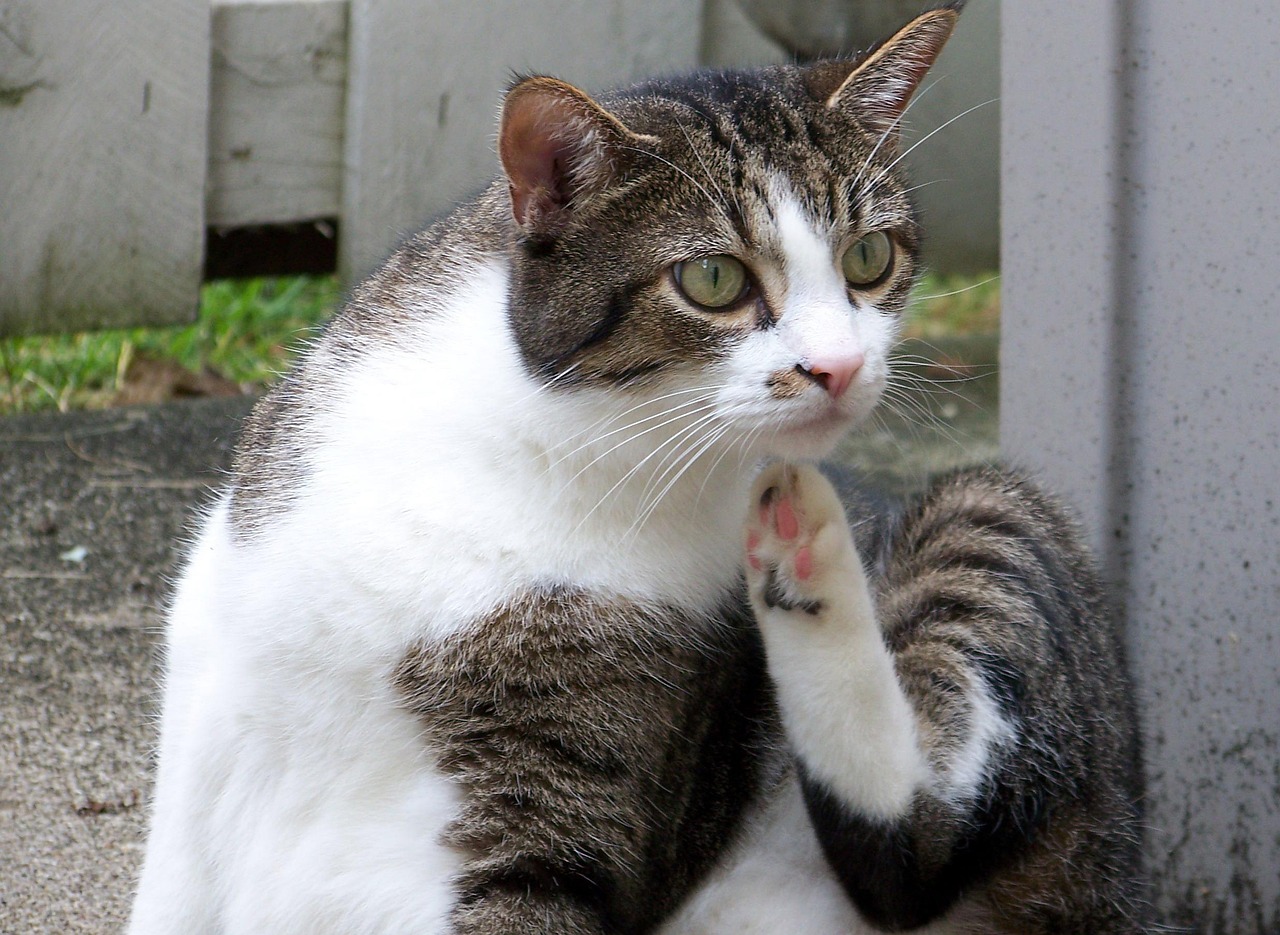
 This image illustrates the bond created while engaging in training sessions with your cat.