
Body Structure and Its Role in Cat Sports Success
Understanding breed characteristics is essential in the realm of cat agility sports. The physical attributes of a cat play a crucial role in their performance and success within agility competitions. Each breed exhibits distinct traits that affect their speed, agility, and overall capabilities in navigating obstacle courses. Firstly, the size and weight of a cat can significantly impact their agility. Lighter and more nimble breeds tend to perform better in agility events. For example, breeds like the Abyssinian or the Bengal, known for their athleticism, excel in these competitions. Furthermore, the body structure, including muscle composition and flexibility, influences a cat’s ability to maneuver through difficult sequences. Muscular cats often demonstrate superior strength and agility during challenging leaps and jumps. Additionally, their adaptability and willingness to train play a fundamental part in their success. Size, flexibility, and muscle mass are key factors that every owner should consider when choosing a breed aspiring to compete in agility sports. Overall, recognizing these breed characteristics aids in selecting the right feline athlete who thrives on the agility course.
Moreover, the temperament of a cat also greatly contributes to their success in sports. A cat’s personality can dictate their engagement and willingness to participate in agility training. Many breeds possess naturally playful and energetic dispositions, making them suitable candidates for agility. Breeds such as the Siamese and the Turkish Van demonstrate high levels of intelligence and curiosity. This temperament allows them to learn quickly, adapting to the demands of agility courses with ease. Additionally, attentive involvement from cat owners ensures that training is enriching and motivating for the feline. Positive reinforcement training is crucial in molding a cat’s skills for agility. It fosters a stronger bond between the owner and the cat, ultimately leading to better performance in sports. Preparation is not solely about physical readiness. Mental stimulation is equally important in helping cats navigate through agility challenges. Cats who are effectively socialized and mentally engaged can perform better and remain focused during competitions. Hence, it’s vital to incorporate behavioral training alongside physical conditioning when preparing a feline athlete for agility success.
Key Physical Traits for Agility
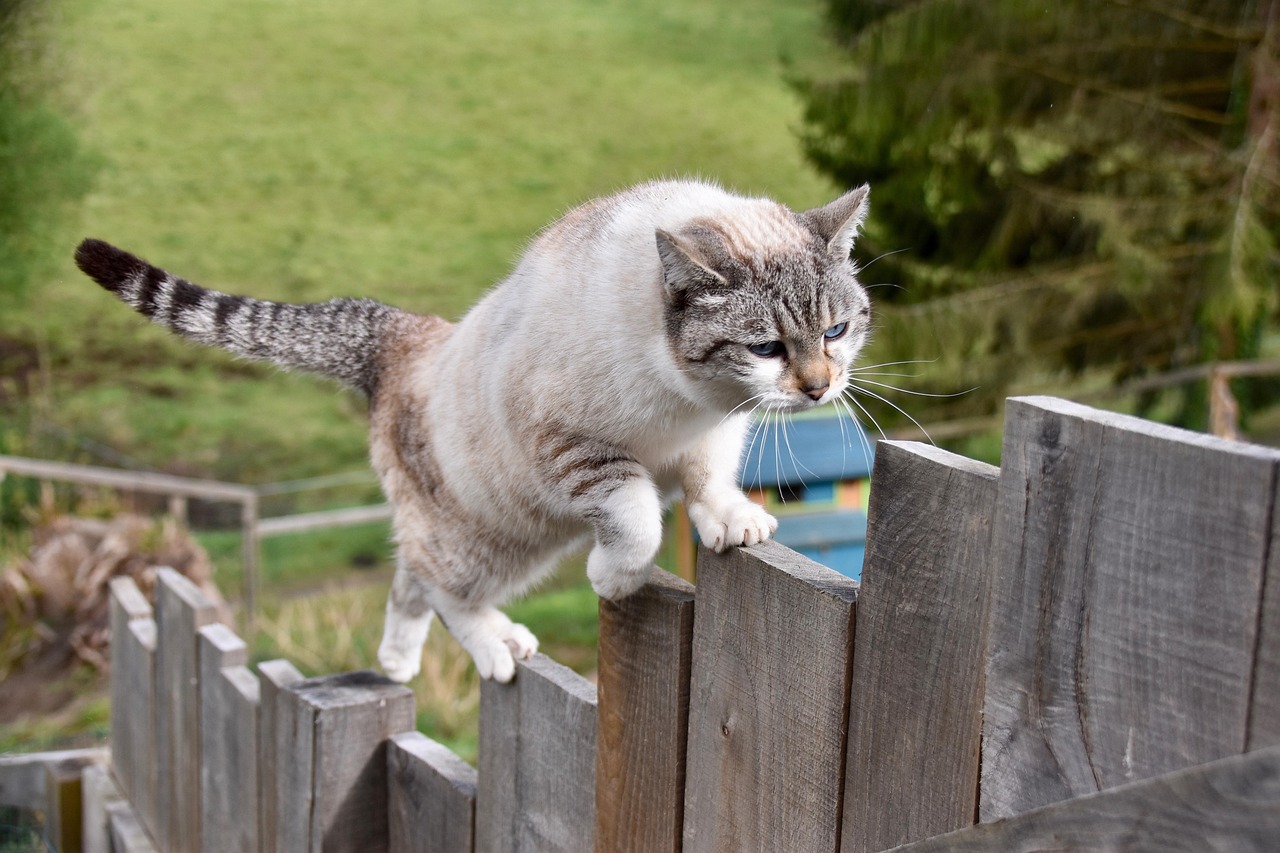
When considering the physical traits essential for agility, one cannot overlook the importance of a cat’s legs and paws. Strong, well-muscled legs are integral for power during jumps and sprints. This muscle strength helps the cat propel itself through obstacles effectively and with maximum efficiency. The paws also play a significant role in a cat’s ability to turn sharply or make quick movements. Cats with larger, more robust paws tend to grip surfaces better, ensuring stability during high-speed maneuvers. Additionally, the flexibility of a cat’s back contributes greatly to its agility. A flexible spine allows for easier navigation through tunnels and over hurdles, enhancing overall performance. Furthermore, strong hind legs enable a cat to gain maximum height during jumps, critical for completing complex courses. Equally important is the condition of a cat’s claws, which provide traction. Well-maintained claws ensure better grip on various surfaces found in agility courses. Overall, these physical attributes combine to create an agile performer capable of excelling in competitive environments.
Another notable aspect influencing a cat’s success in agility sports is their coat and body type. Different breeds exhibit various fur types and density, which can indirectly affect performance. For instance, short-haired breeds require less grooming, allowing for less distraction and greater focus during training sessions. A sleek body type typically represents an ideal agility candidate, allowing for swift movement and quick reflexes. In contrast, breeds with a heavier coat may find themselves burdened by excess weight, hindering their agility. It’s vital for owners to ensure their cats are in optimal physical condition by minimizing excess weight, especially before competitions. Frequent grooming helps maintain a cat’s coat, promoting hygiene and comfort during training. Additionally, exposure to diverse training environments prepares cats for different conditions they may encounter. Varying obstacles and surfaces enhance adaptability, crucial for agility sports. Hence, maintaining physical appearance and health is intertwined with agility success. Also, fostering a supportive environment mirroring competition conditions encourages resilience in every athlete, ultimately improving their potential in the sport.
Nutrition and Fitness
The role of nutrition and fitness cannot be overstated when discussing breed characteristics for successful cat agility. A well-balanced diet tailored to a cat’s specific needs ensures optimal muscle growth and energy levels for agility training. Protein-rich foods, alongside the necessary vitamins and minerals, support overall health, contributing to peak performance. Maintaining hydration is also critical as it directly affects stamina and endurance during training and competitions. Furthermore, a focused fitness regimen can enhance a cat’s agility. Regular exercise not only builds physical strength but also helps in maintaining a healthy weight. Engaging in playtime that mimics agility training helps to improve coordination and confidence. Techniques such as interactive toys and obstacle home courses allow cats to practice agility skills, refining their abilities over time. Regular training routines, balanced with adequate rest, will keep cats in their best shape. Cat agility is a team effort involving trainers and owners who commit to their cat’s health and wellness. Together, they can cultivate a feline athlete capable of achieving outstanding results in agility competitions. Thus, understanding the right nutrition and fitness regimen is paramount.
Lastly, mental conditioning mustn’t be overlooked as part of achieving success in cat agility. The psychological aspect of training enhances a cat’s ability to learn and respond to commands. Proper mental stimulation involves regular challenges and varied exercises that keep the cat engaged. For example, training sessions should incorporate problem-solving tasks that pique a cat’s interest while reinforcing learning. Additionally, socialization with other cats and experiences in diverse environments can build confidence and adaptability in competitive scenarios. To achieve optimum results, trainers should consider incorporating positive habits and behaviors in their training routines. Reward-based methods not only develop skills but also create a positive training experience. Moreover, consistency in training provides the comfort and familiarity that cats thrive on. An ideal approach involves gradual increases in difficulty that match a cat’s progress. Therefore, creating an encouraging atmosphere will yield better outcomes in agility performance. In summary, the mental aspect of training is just as crucial as physical preparation, intertwining with breed characteristics to create overall successful feline agility athletes.
Conclusion
In conclusion, various breed characteristics contribute greatly to a cat’s success in agility sports. From physical traits like size and muscle strength to psychological elements such as temperament and training, all aspects synergistically prepare a cat for competition. Understanding how these traits influence performance can help owners make informed decisions about which breed aligns best with agility pursuits. Through proper nutrition, fitness routines, and consistent mental conditioning, feline athletes can excel in the agility world. With guidance, training, and support, any cat can become a champion in agility competitions. Moreover, recognizing individual strengths among breeds enables tailored training techniques that highlight a cat’s unique abilities. As the interest in cat sports continues to grow, it is vital to prioritize the needs of each cat, setting them up for success. By focusing on their innate capabilities and ensuring a holistic approach to their training, owners can foster remarkable talent. This dedication ultimately leads to rewarding experiences in the agility arena, showcasing the bond between cats and their humans. As such, the journey in cat agility sports becomes not only about competition but also about celebrating the remarkable abilities of our feline friends.