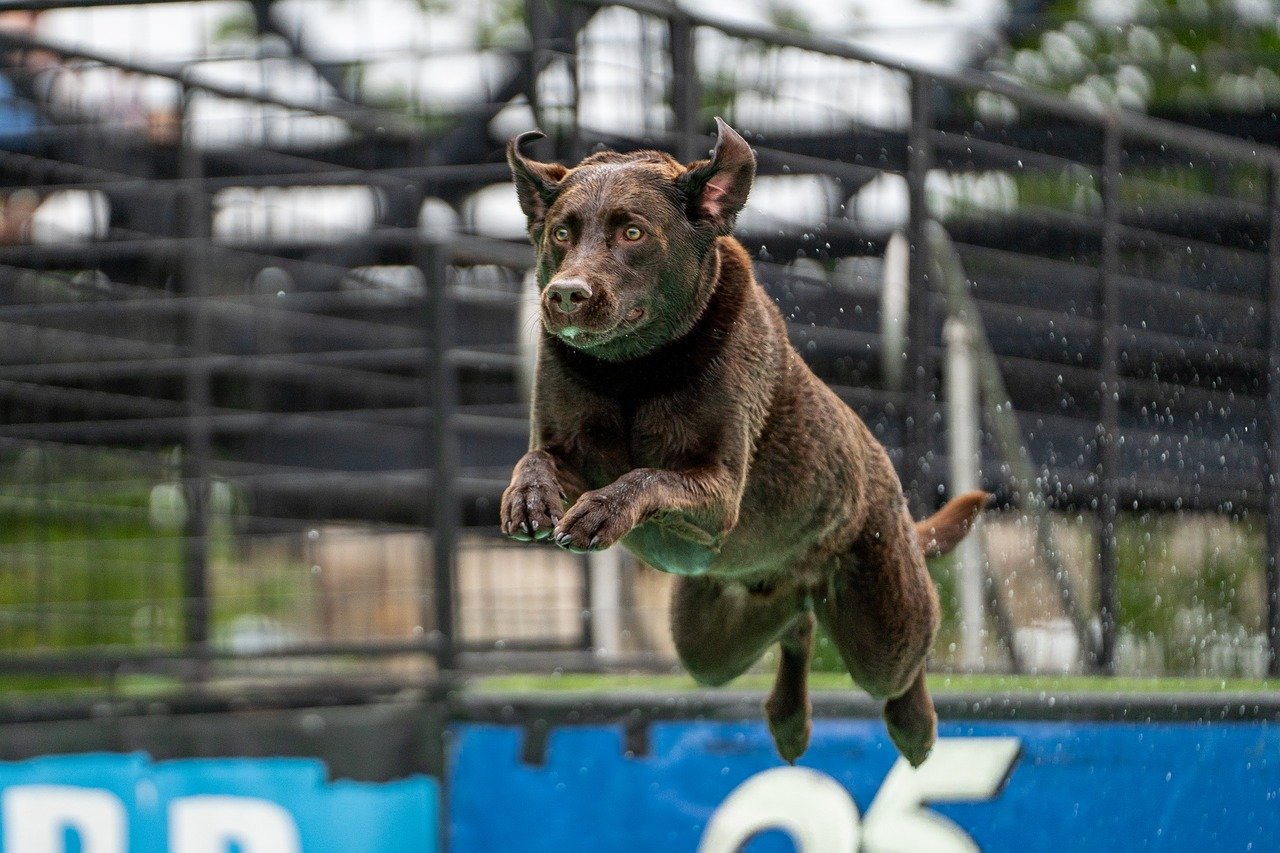

How to Maintain Your Water Rescue Dog’s Skills Over Time
Water rescue dogs are invaluable assets, serving in various emergency scenarios. Maintaining their skills requires dedication and consistent practice. First, ensure that training sessions are frequent but brief. This keeps your dog eager to learn and prevents boredom. Vary the exercises you use during training. Changing the routine helps stimulate mental activity. Incorporate games into training, as this makes the process enjoyable for both you and your dog. Use a combination of verbal commands and hand signals to reinforce learning. This will deepen your dog’s understanding of tasks. Consistency is key, so make certain that all family members use the same commands. Additionally, reward your dog with treats and praise, as positive reinforcement builds confidence. Consider scheduling regular evaluations of your dog’s skills. A professional trainer can provide insights and suggest areas for improvement. Staying in tune with your dog’s abilities is crucial. Finally, involve your water rescue dog in real-world practice scenarios. Connecting training with actual rescue situations will solidify their skills and keep them sharp. Remember, the bond you share with your dog significantly influences training success.
Keeping your dog physically fit is essential. Regular exercises like swimming and running help maintain stamina. Plan activities that simulate rescue tasks. For instance, set up water obstacles that mimic what your dog would face in real rescues. Include swimming exercises in your routine as they naturally improve your dog’s abilities in water. Incorporate fetching items from the water to heighten their retrieval skills. Always prioritize safety during practices. Use life jackets if necessary, especially in challenging waters. Ensure your training environment is free of distractions so that your dog can focus entirely on the task at hand. Observing weather conditions before training plays a vital role too. Avoid extremes, working instead in moderate conditions. Evaluate how tired your dog gets during sessions, as fatigue can lead to poor retention of skills. Rotate the types of tasks as well. After numerous repetitions of one task, your dog might start to lose interest. Hence, diversifying their skillset ensures their engagement. Communication must remain clear and calm for both of you. Establishing a strong command structure will ease learning. With practice, your dog will perform confidently in various scenarios.
Incorporating Real-Life Situations
Integrating real-life scenarios into training enhances your water rescue dog’s skills. Visit bodies of water that your dog may need to navigate during rescues. Familiarity with different environments helps reduce anxiety in actual situations. When exposing your dog to various locations, maintain control and go step-by-step. Start with simpler tasks, like retrieving items from the shore, and gradually progress to more complex exercises in deeper waters. Each session should reinforce specific skills while introducing new challenges. Vary the objects your dog retrieves; use flotation devices, rescue dummies, or even people (under controlled conditions). This will teach your water rescue dog how to respond to real emergencies. Always prioritize your dog’s safety during these exercises. Supervise closely to avoid accidents or panic. Equip your dog with training gear, like harnesses. Using these tools can train your dog while minimizing the risk of injury. Set up mock rescue scenarios involving team engagement if possible. Use these exercises to train both you and your dog simultaneously. Reflect on each session afterward to identify strengths and areas needing improvement. Regular assessments will assure that their skills remain sharp and reliable.
Building a strong support system around your training can significantly impact your dog’s preparedness. Engage with local water rescue groups or clubs to create connections with like-minded enthusiasts. These groups often share valuable experience and useful training techniques. Competing in training events with other water rescue dogs not only builds skills but also increases your dog’s confidence by exposing them to competition scenarios. Incorporate training sessions with other handlers to simulate real-life teamwork during rescues. Practicing alongside various dogs can also expose your dog to different behaviors they might encounter. Record each training session to analyze your dog’s performance and track their progress. Watching these recordings helps you understand their strengths and weaknesses better. Getting feedback from experienced trainers can provide new training ideas or methods. Furthermore, attending seminars or workshops can deepen your knowledge. Staying updated with the latest training techniques is vital to success. Always remember that your dog’s emotional state plays a huge role during training. Keeping their spirits high through positive interaction will enhance their performance.
The Importance of Health Check-ups
Regular health check-ups are integral to maintaining your dog’s skills. Ensure that you schedule appointments with the veterinarian for vaccinations, dental checks, and overall health assessments. A healthy dog performs better, which is crucial for a rescue scenario. Actively monitor your dog’s body condition, as overweight or underweight dogs may struggle to perform effectively in the field. Pay close attention to their diet, ideally opting for a balanced, high-quality food specific to their needs and activity level. Staying hydrated is equally essential, especially before any water activities. Watch for signs of fatigue or discomfort during training. These indicators can reveal underlying health issues. After each session, conduct thorough checks of their paws and coat to prevent injuries or infections. Treat minor injuries immediately to avoid complications; your dog’s comfort significantly influences performance. Furthermore, fitness tracking through apps or dedicated devices can help monitor their physical condition regularly. In addition to regular vet visits, periodic assessments of joint health and ability restrictions should be conducted, tailored to their age and breed characteristics. Maintain open communication with your veterinarian about any concerns regarding their performance.
Your training methods must evolve with your water rescue dog’s development. As your dog ages, adjust training to encompass lower-impact exercises. Focus on maintaining enthusiasm while preventing injury. Gradually introduce new mental challenges like scent work or complex commands. Keeping exercises varied will hold your dog’s attention and promote cognitive functions. Older dogs may benefit from group training environments. Practicing with peers aids socialization while reinforcing skills over time. Incorporating fun distractions can make training enticing, and challenges them mentally. Consistent reinforcement and positive redirection when mistakes occur are vital during training process adjustments. Use an array of tools like clickers and whistles. These can help make training sessions more interactive and engaging. Dogs thrive on routine, so establish a stable schedule for training tasks. This routine is beneficial for maintaining your dog’s skills over time. Modify the frequency and intensity of training sessions to align with your dog’s current abilities and health status. Each dog is unique; learning their comfort zones will allow you to gauge intensity better. This tailored approach leads to optimized performance and success in the long run.
Emotional and Mental Engagement
Emotional well-being is critical for water rescue dogs. Keep your dog engaged and motivated through positive interaction. Incorporate play into training sessions, as this builds a solid bond and makes learning fun. Often, it can be beneficial to introduce new toys or training aids that challenge them intellectually. The use of puzzle toys can also stimulate their mental faculties while ensuring they remain sharp. Remember, a mentally stimulated dog is more likely to maintain their skills. Avoid overtraining, which can lead to burnout. Monitor your dog’s body language; if they seem disinterested, pivot the exercise to maintain enthusiasm. After rigorous training, ensure to give your dog downtime. Just like humans, dogs require rest days to recover and recharge. Engage in low-stress activities on these days, like leisurely walks or gentle socializing with other dogs. Playing soothing music or providing interactive toys during rest periods can help relax your dog. Finally, acknowledge and celebrate even small successes during training. Regularly reflecting on progress can boost confidence and happiness, encouraging sustained engagement in skill maintenance over time.
Finally, always ensure continuous learning for both you and your dog. Participate in training seminars or workshops focused on water rescue techniques to stay updated on the latest practices. Engaging in courses can boost your confidence as a handler, equipping you with tools that enhance training. Share experiences with other handlers in your community. These discussions can be an excellent source of fresh ideas. Reflect upon your own practices; consider replacing methods that seem outdated with new ones. A dog that is trained for water rescue will thrive when it experiences a variety of skill sets. Emphasize a diverse skill set. Think about incorporating first aid training for both dog and handler. Basic life-saving skills are crucial in emergencies to ensure both your safety and your dog’s. Relationship building during training strengthens trust between you and your dog. This bond facilitates easier training and communication. Make learning enjoyable instead of just focusing on drills. Maintaining interest in your dog will go a long way in ensuring success. Keeping performance fresh, exciting, and engaging will encourage lasting skill retention in your water rescue dog.