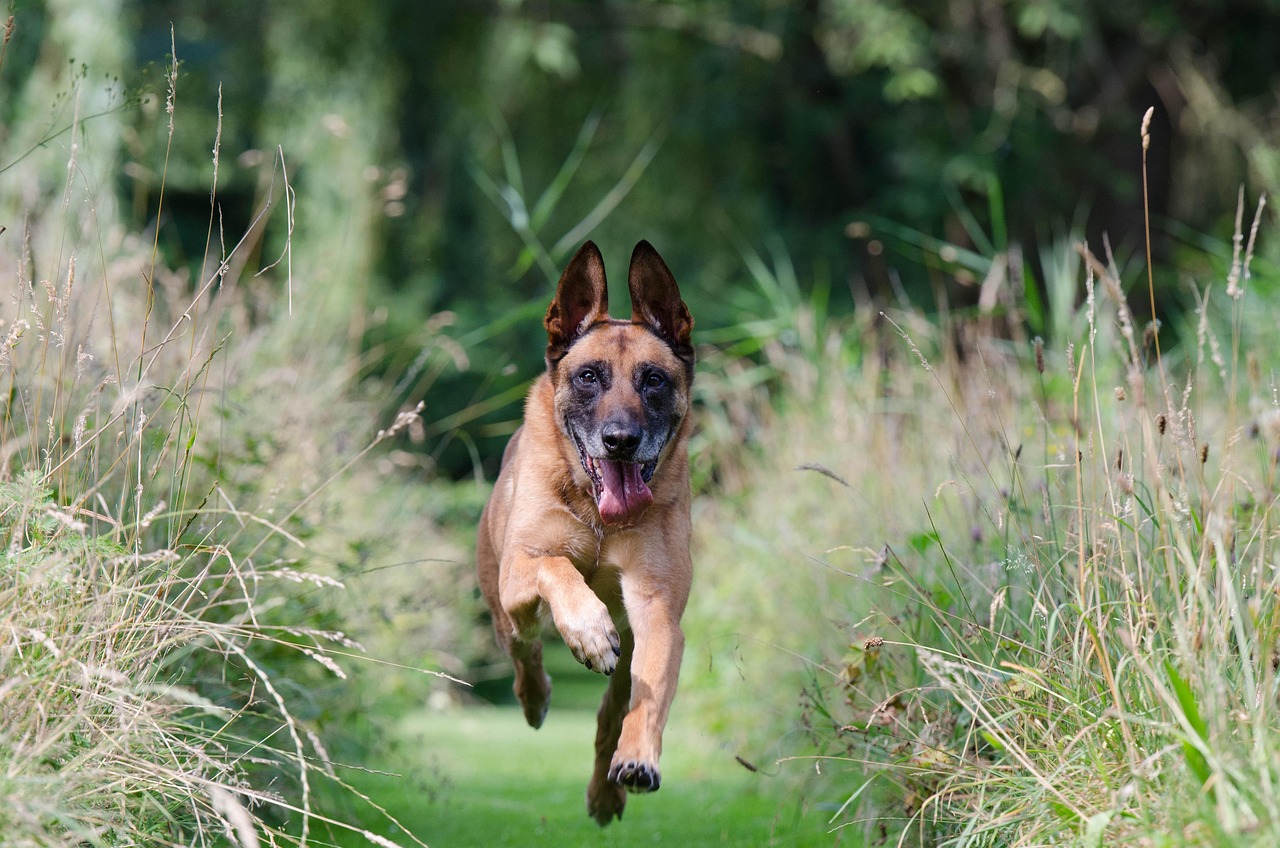

How to Overcome Distractions During Emergency Recall Training
Emergency recall training is a crucial aspect of dog training that ensures your dog returns to you, even in challenging environments. Distractions, such as other animals, loud noises, or enticing smells, can easily deter your dog from responding to a recall command. Starting this training in a controlled environment is essential where distractions are minimal. Gradually increase the difficulty by introducing mild distractions, progressing to more intense scenarios as your dog becomes more reliable. It’s vital to remember that patience is key. Always reward successful recalls with treats or praise, reinforcing positive behavior. Fostering trust between you and your dog is also crucial, ensuring they believe returning to you is the best option. Consistency in training sessions helps solidify the commands in your dog’s mind. Utilizing high-value treats or toys during training can significantly enhance motivation. Practicing in various locations can help familiarize your dog with different environments. Finally, keeping your sessions short and fun prevents them from becoming overwhelming and keeps your dog engaged throughout the learning process. Building a solid foundation leads to success during emergency situations, ultimately maintaining your bond with your furry friend.
Another effective strategy involves gradually increasing the level of distraction. Consider introducing a friend with another dog or a sound-producing object in controlled iterations during training sessions. Observing how your dog reacts to these distractions is vital to altering your approach to training. If your dog struggles, take a step back and reduce the distraction level, reinforcing positive responses with treats or play. Utilizing body language can also enhance communication, signaling your dog when it’s time to focus on returning. Use a happy and enthusiastic voice when calling your dog back, and maintain eye contact to help direct their attention toward you. Timing is critical; for successful recall, ensure you practice when your dog is in a state of attentiveness, such as before meal times or play sessions. Additionally, creating a unique recall command can differentiate it from regular commands. This command should be clear and distinct, ensuring your dog recognizes its significance. Regularly varying your locations during training helps acclimate your dog to new situations while reinforcing recall commands under different environmental factors.
Building Focus and Attention Skills
Building focus in your dog during emergency recall training is essential for reducing distractions. Engage your dog in mental challenges, such as puzzle toys or games that require problem-solving, to sharpen their focus. These activities stimulate their brain, making them more likely to listen to you despite external distractions. Consider whistle training, which provides a distinct sound cue, helping to grab your dog’s attention even in busy places. Using a high-pitched, enthusiastic whistle will draw your dog’s attention back to you, increasing the chances of a successful recall when it matters most. Moreover, practicing basic commands (sit, stay, come) consistently reinforces your dog’s ability to concentrate and respond, creating a solid foundation for emergency recall. Implementing a process called ‘look at me’ training can further enhance focus; this involves teaching your dog to make eye contact with you on command. Reward your dog when they engage in maintaining eye contact, thus encouraging this behavior in various environments. Remember to keep training sessions short; dogs often lose focus after several minutes, so end on a positive note, making each session’s duration appropriate to maintain your dog’s interest.
Another technique to help your dog focus involves creating engaging and dynamic training environments. Practice recall in comfortable and familiar surroundings, progressing to gradually more distracting locations such as parks or open fields. If your dog becomes distracted, try using toys or their favorite treats that can regain their interest during training. When starting recall drills in a busy environment, reduce the distance at which you call your dog until they demonstrate consistent responses. Repeating these exercises aids in reinforcing the recall command without overwhelming them. Moreover, timing your training sessions just before meal times or exciting activities can help increase motivation and your dog’s eagerness to respond. Make use of varying tones while rewarding your dog by using excited remarks when they successfully return. This enthusiasm not only celebrates their success but also makes them more eager to repeat the behavior. Additionally, ensure your dog understands that returning to you leads to positive experiences, thus building trust during emergency recall training. This trust can mean the difference between a reliable recall and a dog that hesitates when faced with distractions in critical situations.
Dealing with Real-Life Distractions
Real-world distractions present unique challenges during emergency recall training for your dog. To address this effectively, practice in environments that closely resemble real-life situations where distractions can occur, such as dog parks or busy streets. The goal is to expose your dog to various stimuli while maintaining focus on the recall command. Using positive reinforcement, ensure that they associate distractions with rewards instead of fear or uncertainty. Gradually increase the types of distractions encountered, such as other people, dogs, or loud sounds, while monitoring their response. If your dog appears anxious or unfocused, reduce the level of distraction temporarily and build back up again. It’s critical to remain calm during practice sessions, as your demeanor affects your dog’s behavior. Consistency is also vital; practice at various times of the day to challenge their attention levels. Introduce new distractions slowly, ensuring your dog adjusts to them before moving on to more challenging scenarios. Additionally, utilizing cues or commands that work only in distracting situations can help your dog differentiate between practice and real life, giving them clarity on when to focus.
Lastly, ongoing assessment of your progress during emergency recall training is essential to refine your approach. Regularly evaluating your dog’s improvement allows you to identify their strengths and weaknesses in recalling amidst distractions. If your dog excels in one area yet struggles in another, tailor your training sessions to focus on improving that specific skill. Encourage feedback from other dog owners or trainers familiar with recall training, gathering tips and insights that can enhance your process. Connecting with other dog enthusiasts could also provide companion distraction during training sessions, creating a controlled distraction that can be managed. Involving your dog in social situations can enhance recall under pressures they may face outside familiar environments. It’s also vital to ensure your dog maintains a healthy outlet for energy; high-energy activities preceding training can tire your dog positively, allowing higher focus levels during recall. Finally, remember that creating a strong bond through trust and consistent communication is essential for successful training. Building this connection leads to a dog that can reliably respond, no matter the distractions present, strengthening your bond over time.
Conclusion: Consistency and Patience
In conclusion, emergency recall training requires dedication, consistency, and patience. By understanding your dog’s behavior and the distractions they face, you can develop a tailored training plan ideal for their needs. Remember to keep sessions enjoyable and concise, ensuring your dog remains engaged and motivated throughout. Use various methods and techniques suitable for your dog’s personality, providing multiple avenues for successful recall training. Consistency during practice in different environments will also significantly contribute to your dog’s performance and reliability in real-life situations. Over time, as your dog’s attention grows stronger, you’ll witness the effectiveness of your efforts reflected in their responses. Make sure to celebrate achievements, no matter how small, reinforcing the positive behaviors that lead to successful training outcomes. By providing ample opportunities for your dog to learn, you ultimately create a strong foundation that will allow them to return to you even amidst chaos. Foster an environment of curiosity, trust, and enthusiasm, encouraging your dog to respond positively under various circumstances while enhancing your bond together.
Regular maintenance of the skills learned during emergency recall training is essential for long-term success. Continue practicing these recall procedures consistently in different scenarios to ensure your dog retains their training skills. Engaging in regular training sessions as part of your routine will help your dog stay prepared for any situation they encounter outdoors. Once your dog has displayed reliable recall responses, begin reinforcing commands through periodic practice, treating it like a fun game rather than a chore. Keep in mind that the longer you allow your dog to be unpracticed, the more likely they may revert to previous behaviors or become distracted. Additionally, work towards establishing a strong recall cue that your dog associates with high-value rewards, building a stronger relationship between you two during training. Encouraging your dog to engage in games like fetch or hide-and-seek may improve their focus and keen sense of returning to you. Finally, remain open to adapting your training strategies based on your dog’s behavior and experiences while ensuring you maintain a positive environment for continued learning and strengthening your bond.