
How to Teach Your Dog to Jump on Command Safely
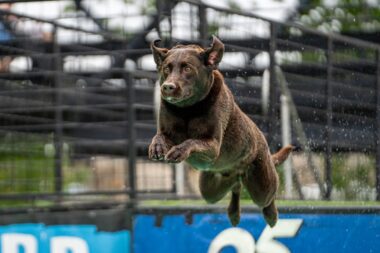
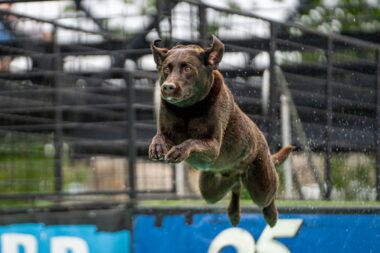
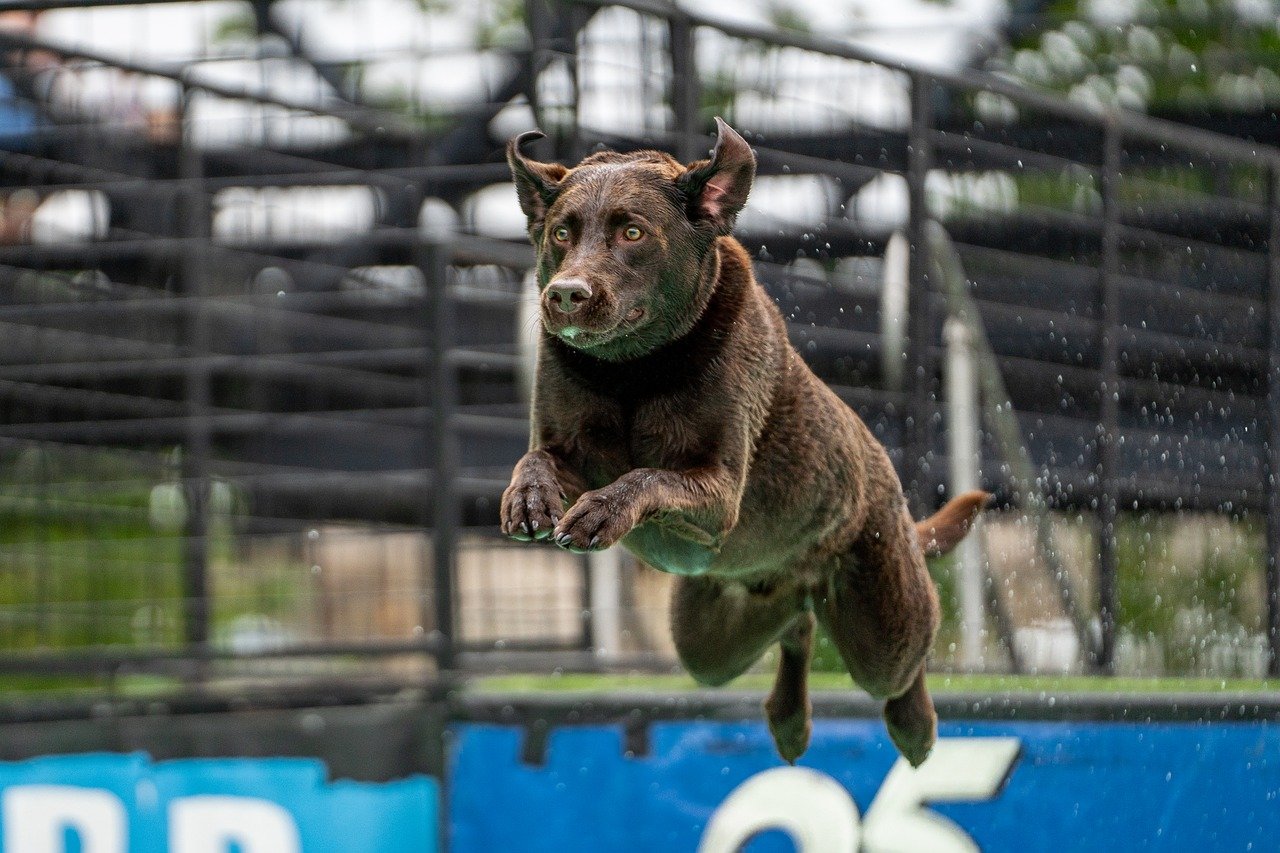
Teaching your dog to jump on command can be an exciting and rewarding experience. It not only provides your dog with physical exercise but also strengthens the bond between you and your pet. Before you start training your dog to jump on command, ensure that they are physically fit and healthy enough for this activity. Dogs of all sizes can learn to jump, but it’s essential to consider their age and breed, as some might be prone to injuries. A well-structured training session makes a significant difference. Start with keeping the commands consistent—use short and clear words like “jump” with an enthusiastic tone. It is important to focus on building trust within your relationship. Use positive reinforcement methods such as treats or praise. When your dog successfully follows the command, reward them immediately to help reinforce the behavior. Gradually introduce higher jumps as your dog becomes more confident. Observing their body language is critical to ensure they are comfortable. Always prioritize safety during the training sessions to avoid any mishaps that could cause injury or stress.
Setting the Environment for Jump Training is key to success. Choose a quiet space with minimal distractions when you begin. This helps your dog focus solely on the training. A grassy area or a soft surface is recommended to prevent injuries, especially if your dog is learning to jump for the first time. Make sure the area is clear of obstacles or items that could distract or harm your dog. You can use a jump bar or any low object for your dog to practice with. Start low to prevent injuries and gradually increase the height based on your dog’s comfort level. Keep in mind that older or less agile dogs require more time to adjust. Initial commands should be simple, and avoid overwhelming your dog with multiple commands. Clearly demonstrate the jump before encouraging your dog to follow suit. This mimicking can help your furry friend understand what is expected. Patience is vital throughout the process. Training will often take several sessions—a well-trained dog will not interpret the command correctly on the first try. Consistency will help in forging the right connection.
Using Positive Reinforcement Effectively
Positive reinforcement is an essential aspect of dog training, especially when teaching the jump command. Rewarding your dog with treats, praise, and toys encourages them to associate the action with something pleasurable. This method significantly increases the likelihood of your dog following your commands in the future. Begin by rewarding your dog even for simple actions leading up to the jump, such as approaching the jump bar. This helps familiarize them with the action and builds excitement. Each time your dog makes an effort, award them with a treat or enthusiastic praise. It is important to be consistent; rewarding them every time initially will help build a solid foundation. Once they begin to understand the command, you can gradually reduce the frequency of treats but maintain praise. This encourages your dog to keep performing well without creating a dependency on food rewards. Over time, your dog will jump with enthusiasm and confidence. Avoid scolding or using negative reinforcement; this can create fear and reduce their motivation to engage with training sessions. Building a supportive atmosphere sets the stage for successful learning.
Socialization plays a crucial role when teaching your dog to jump on command. This involves allowing your dog to interact with different environments, people, and other dogs. Exposure to various scenarios prevents anxiety and builds confidence in your pet. Engaging with other dog owners can provide valuable tips and encouragement during the training process. Moreover, socializing encourages healthy behaviors and can often lead to a more well-rounded pet. To enhance the training experience, consider inviting a fellow dog owner to join a session. This can make the atmosphere more lively and can motivate your dog to jump when encouraged by others. Gradually introduce your dog to jumps with peers around to observe their comfort levels. Learning in a group setting can foster friendly competition and drive them to improve. Always remain vigilant about your dog’s response—if they seem overwhelmed, give them a break. Keep sessions light, fun, and filled with love. A well-socialized dog is typically more confident and receptive to learning commands, ultimately enhancing the overall experience of training sessions.
Common Mistakes to Avoid
When training your dog to jump on command, certain common mistakes can hinder progress. One primary error is using harsh reprimands when things don’t go as planned. Like all training, patience is paramount. Using negative reinforcement can lead to fear and anxiety, ultimately affecting your dog’s performance. Instead, focus on positive and loving interactions throughout the sessions. Another mistake is not using consistent commands, which can confuse your dog. Make sure everyone in the household uses the same term and tone for the jump command. Inconsistent cues may lead to misunderstandings that stall training. Additionally, jumping at too great a height too soon is a frequent pitfall. It’s important to gradually increase heights based on your dog’s expertise level. Starting too high can discourage them or lead to injuries. Lastly, ensure your sessions are not overly lengthy. Dogs can lose focus quickly; two to five-minute sessions are excellent for keeping enthusiasm high. Frequent breaks allow dogs to recharge and refocus, making training more efficient.
Monitoring your dog’s health throughout the training process is essential for their safety. Always pay attention to signs of fatigue or discomfort, especially during the jumping exercises. Some dogs may not vocalize their pain or discomfort, making it crucial for you as an owner to be vigilant. Look for changes in behavior, such as hesitation to jump or signs of limping following training sessions. Additionally, regular check-ups with your veterinarian ensure that your dog is physically capable of handling jump training. Certain breeds are predisposed to joint issues and may require special considerations, like adjusted training techniques or exercise schedules. If your dog appears to be experiencing discomfort, consider reducing heights or the frequency of jumps, also consult your vet. Proper warm-up and cool-down routines greatly help in preventing injuries. Include gentle stretching and light exercises before and after sessions. These routines prepare their muscles and joints for action and promote recovery afterward. Investing time in observing and monitoring their health sets the foundation for a safe and enjoyable learning experience.
Conclusion and Ongoing Training
Once your dog has mastered the jump command, the focus should shift to maintaining the learned behavior. Dogs thrive on routines and benefits from ongoing training sessions to reinforce learned commands. Engage in regular practice to ensure your dog remains sharp and responsive. You may also introduce new commands or tricks to challenge your dog mentally and physically. Keep the training sessions enjoyable and rewarding for both of you. Mixing in different activities, such as agility courses, can stimulate your dog while honing their skills. Furthermore, consider involving professional trainers or obedience classes to enhance the training experience. This allows your dog to learn from others and helps you sharpen your training techniques. Establishing a structured training schedule will keep both you and your dog involved while continually enhancing the bond between you. Celebrate their milestones, whether big or small, to instill confidence and happiness in your dog. Ultimately, the process of teaching your dog to jump should be enriching, fun, and tailored to their pace to ensure long-lasting success.